Loading...
Analysis will be generated on first visit.
Scores and timeline are available below. The page will refresh automatically when ready.
Emperor Hanzei vs Julius Caesar
Julius Caesar leads by 35.4 pts · 2 figures compared
…
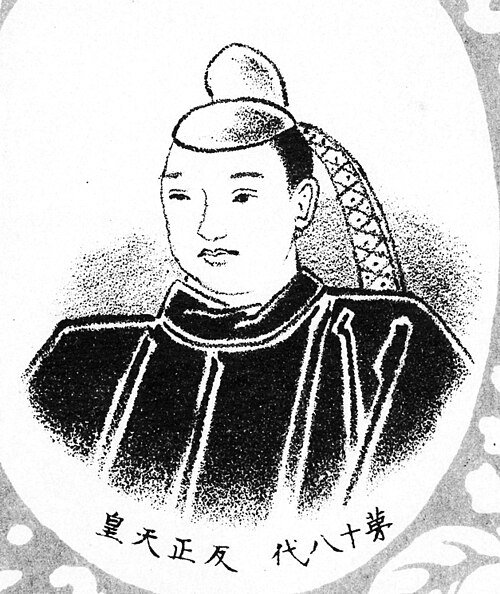
Emperor Hanzei
Emperor · Ancient
47.9Total
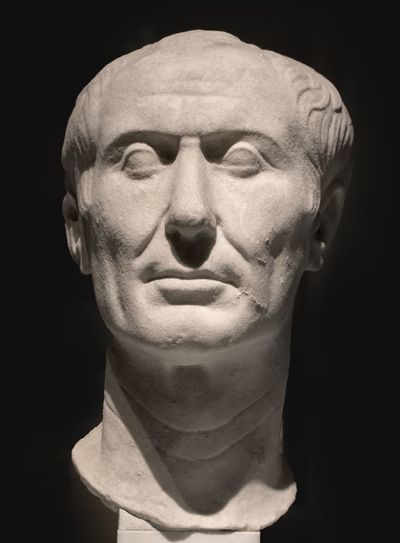
Julius Caesar
General · Ancient
83.3Total
Basic Information
Born
352
-100
Died
410
-44
Era
Ancient
Ancient
Nationality
Japan
Roman Republic
Occupation
Emperor
General
Civilization
Eastern
Western
Score Comparison
Military (10%)
41.5
88.0
Political (20%)
47.7
78.0
Influence (20%)
58.5
85.0
Legacy (20%)
44.9
82.0
Leadership (15%)
42.2
82.0
Strategy (15%)
47.8
88.0
TOTAL
47.9
83.3
Rankings
🥇
Julius CaesarLeader
Mil: 88.0Pol: 78.0Inf: 85.0
83.3
🥈
Emperor Hanzei
Mil: 41.5Pol: 47.7Inf: 58.5
47.9
+35.4 behind
How This Comparison Works
Algorithm
Each figure is scored on 6 dimensions (0—100 scale) based on structured historical data: Military (10%), Political (20%), Influence (20%), Legacy (20%), Leadership (15%), Strategy (15%). The weighted total produces the final ranking.
Data Sources
Scores are computed from structured sub-indicators in the database. Scale factors adjust for era (Ancient ×0.85, Modern ×1.0) and civilization size (Eastern ×1.05, Other ×0.80) to account for differences in population and military scale.
Maximum 3 Figures
Comparisons are limited to 2—3 figures to ensure readability and statistical meaningfulness.
Error Margins
±5 points per dimension — Sub-scores are derived from historical records with inherent uncertainty. Two figures within 5 points on a dimension should be considered roughly equivalent in that area.
Total Score Accuracy
±3 points overall — The weighted combination of 6 dimensions produces a total score with approximately ±3 points of uncertainty. Differences of less than 3 points are not statistically significant— the figures are effectively tied.
Known Limitations
- Historical records are incomplete and uneven across civilizations
- Figures from oral-tradition societies may be underrepresented
- Occupation labels can misclassify multi-role figures
- Scores measure capability and impact, not moral character
- Quantitative scoring is a comparison tool, not absolute truth
Capability Radar
Military (10%) — Battles & Warfare
Battles
35
95
Win Rate
34
92
Expansion
36
97
Political (20%) — Governance & Reform
Reform
10
90
Diplomacy
10
85
Economy
10
82
Influence (20%) — Cultural & Global Reach
Cultural
5
88
Global
5
94
Legacy (20%) — Historical Impact
Historical
5
95
Longevity
5
96
Leadership (15%) — Power & Stability
Tenure
10
75
Stability
15
60
Strategy (15%) — Tactics & Innovation
Strategy
44
94
Tactics
44
96
Reform
47
88
Analysis will be generated on first visit.
Scores and timeline are available below. The page will refresh automatically when ready.
Emperor Hanzei — Complete Timeline
406 AD
Reign of Emperor HanzeiPolitical Action
Emperor Hanzei, brother of Richu, reigned for a brief period in the early 5th century. His reign is recorded in the Nihon Shoki but is considered historically obscure, with few specific events attributed to him.
SuccessionYamato Period
Impact: national
Similar Comparisons
Comments & Discussion
SamniteSlasher6/17/2026
Caesar was a master of political theater and military logistics, but Hanzei? He's a historical void. You can't compare a man who conquered Gaul and rewrote the Senate's rulebook to a shadow emperor whose reign is just a name in the Kojiki. Caesar's Commentaries alone outlasted Hanzei's entire legacy. If Hanzei did anything noteworthy, it got lost—probably because Yamato chroniclers were too busy mythologizing gods. One changed history; the other was a footnote in a manuscript nobody reads.
春秋笔法控6/17/2026
拿汉塞伊跟凯撒比,简直是拿萤火虫比月亮。凯撒有《高卢战记》这种第一手史料,我们能细数他每一场战役的伤亡数字;汉塞伊呢?《日本书纪》里就提了一笔在位五年,连生卒年都要后人用代数推算。不是我看不起他,而是史料本身就把他写成了空气。凯撒改变的是整个地中海世界的权力结构,汉塞伊连自家宫廷的门帘都没掀动。这种对比不是历史讨论,是史料匮乏的遮羞布。
Perspectionist6/17/2026
This comparison is flawed from the start—it's not a battle of equals but a study of source survivorship bias. Caesar's Rome had Cicero, Livy, and a literate aristocracy churning out texts; Hanzei's Yamato had oral traditions recorded centuries later. Put Caesar in fourth-century Japan with no writing system and no empire to conquer, and he'd be just as forgotten. Hanzei might have been a titan of his era but got erased by a lack of ink. Judge the man, not the paper trail.
野史爱好者6/17/2026
说汉塞伊是个影子,我看是太武断了。日本早期天皇的功绩不是靠打仗或写书来衡量的,而是靠祭祀和血统延续国祚。汉塞伊可能什么大仗都没打,但他稳稳坐在神武天皇的系谱里,这就够了。凯撒再厉害,最后还是被捅死了,共和国也没救回来。汉塞伊活着的时候,大和政权没崩,没内战,这不是政绩是什么?有些人就是中了西方英雄叙事的毒,觉得不杀人放血就不算历史人物。
LibrarianOfLostRecords6/17/2026
Let's be clear: Caesar's assassination is the most documented murder in antiquity, while Hanzei's entire reign fits in a paragraph of the Kojiki. That's not a commentary on their abilities—it's a commentary on the societies they inhabited. Caesar lived in a hyper-literate, recording-obsessed civilization; Hanzei ruled a pre-literate chieftainship. If we're comparing "impact on history," Caesar wins by default because we have history to measure it by. Hanze