Loading...
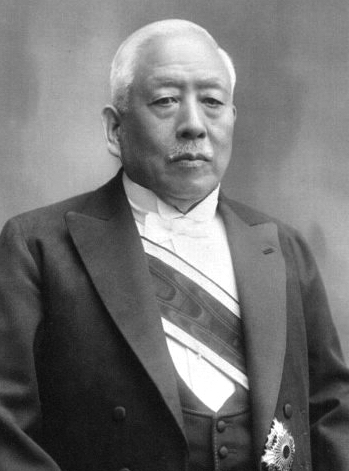
Saito Makoto
ModernGeneralJapan1858 — 1936
Admiral PM assassinated in the 2-26 Incident.
Compare Saito Makoto with another historical figure:
Quick Facts
Born
1858
Died
1936
Country
Japan
Era
Modern
Occupation
General
Score Overview
Military (10%)48
Political (20%)68
Influence (20%)53
Legacy (20%)46
Leadership (15%)68
Strategy (15%)43
Total Score54.3
Saito Makoto — Complete Timeline
1919 AD
Governor-General of KoreaPolitical Action◆ Major
Saito served as Governor-General of Korea from 1919 to 1927 and again from 1929 to 1931. He implemented a policy of 'cultural rule' that relaxed some repressive measures after the March 1st Movement, but maintained Japanese colonial control.
Colonial RuleKoreaGovernor-General
Impact: regionaldestructive
1932 AD
Service as Prime MinisterPolitical Action◆ Major
Saito Makoto served as Prime Minister from May 1932 to July 1934, leading a national unity cabinet after the assassination of Prime Minister Inukai Tsuyoshi. His government pursued moderate policies but failed to curb military influence.
Prime MinisterNational Unity
Impact: national
Recognition of ManchukuoPolitical Action◆ Major
Under Saito's premiership, Japan formally recognized the puppet state of Manchukuo in September 1932. This action deepened Japan's international isolation and led to its withdrawal from the League of Nations.
ManchukuoForeign PolicyLeague of Nations
Impact: globaldestructive
1936 AD
Assassination in the February 26 IncidentPolitical Action◆ Major
Admiral Saito Makoto was assassinated on February 26, 1936, during the February 26 Incident, a coup attempt by radical army officers. Rebels stormed his home and killed him, along with other senior officials. His death symbolized the breakdown of civilian control over the military.
AssassinationCoup AttemptMilitarism
Impact: nationaltragic
Detailed Scores
▶View all detailed scores
Military
Strategy
7
Tactics
7
Battles
7
Army Scale
7
War Impact
7
Political
Governance
7
Reform
7
Stability
7
Policy
8
Power
7
Influence
History
9
Global
8
Culture
9
Ideology
9
Legacy
9
People often compare with
See how Saito Makoto stacks up against other historical figures
Popular Comparisons
Saito Makoto vs John Arbuthnot Fisher
vs John Arbuthnot Fisher68
Saito Makoto vs Frederick Roberts
vs Frederick Roberts61
Saito Makoto vs Yamashita Tomoyuki
vs Yamashita Tomoyuki49
Saito Makoto vs Alfred von Waldersee
vs Alfred von Waldersee48
Saito Makoto vs Nam Il
vs Nam Il47
Saito Makoto vs Castelo Branco
vs Castelo Branco45