Loading...
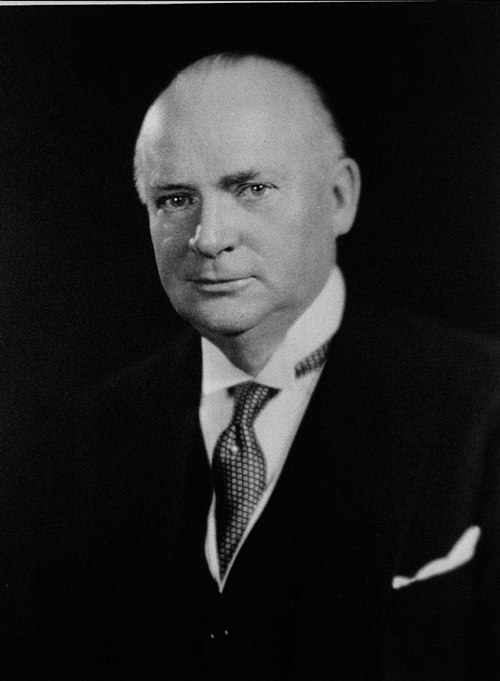
R. B. Bennett
ModernPoliticianCanada1870 — 1947
Canadian PM during the Great Depression.
Compare R. B. Bennett with another historical figure:
Quick Facts
Born
1870
Died
1947
Country
Canada
Era
Modern
Occupation
Politician
Score Overview
Military (10%)49
Political (20%)42
Influence (20%)51
Legacy (20%)42
Leadership (15%)55
Strategy (15%)44
Total Score47.1
R. B. Bennett — Complete Timeline
1930 AD
Elected Prime Minister of CanadaPolitical Action◆ Major
Bennett was elected Prime Minister of Canada as the leader of the Conservative Party, defeating Mackenzie King. His election came at the onset of the Great Depression, and he promised to end the economic crisis with bold action.
Canadian PoliticsElectionGreat Depression
Impact: national
1932 AD
Hosted the Imperial Economic Conference in OttawaPolitical Action◆ Major
Bennett hosted the Imperial Economic Conference in Ottawa, which resulted in a system of imperial preference tariffs. The agreements aimed to boost trade within the British Empire but had limited success in mitigating the Depression.
Canadian PoliticsTradeImperial Relations
Impact: nationalconstructive
1934 AD
Created the Bank of CanadaReform◆ Major
Bennett's government established the Bank of Canada as a central bank to regulate monetary policy and stabilize the financial system. The bank was initially privately owned but was nationalized in 1938.
Canadian PoliticsEconomic ReformBanking
Impact: nationalconstructive
1935 AD
Introduced the 'Bennett New Deal'Reform◆ Major
Bennett introduced a series of progressive reforms modeled on Franklin D. Roosevelt's New Deal, including unemployment insurance, minimum wage laws, and regulation of working hours. The reforms were largely blocked by the courts as unconstitutional and failed to revive the economy.
Canadian PoliticsEconomic ReformGreat Depression
Impact: nationalconstructive
Defeated in the 1935 Federal ElectionPolitical Action◆ Major
Bennett's Conservative government was decisively defeated in the 1935 federal election by Mackenzie King's Liberals. The defeat was largely due to the failure of his policies to alleviate the Great Depression and widespread public discontent.
Canadian PoliticsElectionDefeat
Impact: nationaltragic
Detailed Scores
▶View all detailed scores
Military
Strategy
6
Tactics
5
Battles
6
Army Scale
5
War Impact
6
Political
Governance
7
Reform
7
Stability
7
Policy
7
Power
8
Influence
History
9
Global
8
Culture
9
Ideology
9
Legacy
8
People often compare with
See how R. B. Bennett stacks up against other historical figures
Popular Comparisons
R. B. Bennett vs Joaquim Nabuco
vs Joaquim Nabuco57
R. B. Bennett vs Teburoro Tito
vs Teburoro Tito51
R. B. Bennett vs Aleksandar Stamboliyski
vs Aleksandar Stamboliyski50
R. B. Bennett vs Nambaryn Enkhbayar
vs Nambaryn Enkhbayar48
R. B. Bennett vs Rexhep Meidani
vs Rexhep Meidani44
R. B. Bennett vs Viola Amherd
vs Viola Amherd43