Loading...
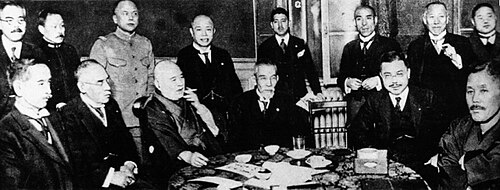
Kato Takaaki
ModernPoliticianJapan1860 — 1926
Diplomat PM who pushed universal male suffrage.
Compare Kato Takaaki with another historical figure:
Quick Facts
Born
1860
Died
1926
Country
Japan
Era
Modern
Occupation
Politician
Score Overview
Military (10%)15
Political (20%)55
Influence (20%)59
Legacy (20%)56
Leadership (15%)72
Strategy (15%)31
Total Score52.3
Kato Takaaki — Complete Timeline
1924 AD
Formation of the Kenseikai-CabinetPolitical Action
Kato became Prime Minister in June 1924, leading a coalition cabinet of the Kenseikai, Seiyukai, and Kakushin clubs. This government, known as the 'Mitsubishi Cabinet' due to Kato's ties to the Mitsubishi zaibatsu, pursued moderate foreign policy and domestic reforms.
Cabinet FormationCoalition Government
Impact: national
1925 AD
Enactment of Universal Male Suffrage LawReform◆ Major
As Prime Minister, Kato Takaaki pushed through the Universal Male Suffrage Law, which abolished tax-based voting qualifications and granted voting rights to all male citizens aged 25 and over. This expanded the electorate from about 3 million to over 12 million, marking a major step toward democracy in Japan.
DemocracyVoting RightsTaisho Democracy
Impact: nationalprogressive
Passage of the Peace Preservation LawPolitical Action◆ Major
Kato's government also enacted the Peace Preservation Law, which criminalized advocating for the abolition of private property or altering the national polity. This law was used to suppress leftist political movements and marked a turn toward authoritarianism.
RepressionAuthoritarianismPolitical Control
Impact: nationaldestructive
Normalization of Relations with the Soviet UnionPolitical Action◆ Major
Kato's government signed the Soviet-Japanese Basic Convention, establishing diplomatic relations with the Soviet Union. Japan recognized the Soviet government and withdrew troops from northern Sakhalin in exchange for oil and coal concessions.
DiplomacySoviet UnionForeign Policy
Impact: regionalconstructive
1926 AD
Death in OfficeOther◆ Major
Kato Takaaki died of pneumonia on January 28, 1926, while still serving as Prime Minister. His death ended the Kenseikai-led government and marked the end of the Taisho Democracy era's reformist momentum.
DeathEnd of Era
Impact: nationaltragic
Detailed Scores
▶View all detailed scores
Military
Strategy
6
Tactics
5
Battles
6
Army Scale
5
War Impact
6
Political
Governance
7
Reform
7
Stability
7
Policy
7
Power
8
Influence
History
9
Global
8
Culture
9
Ideology
9
Legacy
9
People often compare with
See how Kato Takaaki stacks up against other historical figures