Loading...
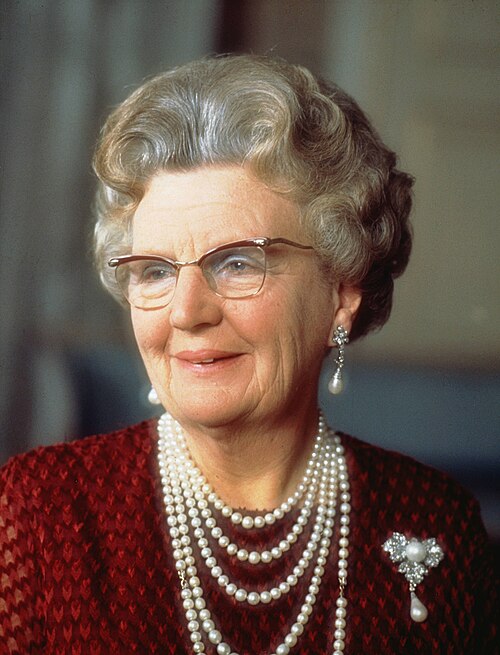
Juliana of the Netherlands
ModernEmperorNetherlands1909 — 2004
Queen who presided over decolonization.
Compare Juliana of the Netherlands with another historical figure:
Quick Facts
Born
1909
Died
2004
Country
Netherlands
Era
Modern
Occupation
Emperor
Score Overview
Military (10%)43
Political (20%)63
Influence (20%)57
Legacy (20%)46
Leadership (15%)72
Strategy (15%)49
Total Score55.2
Juliana of the Netherlands — Complete Timeline
1948 AD
Accession as Queen JulianaPolitical Action◆ Major
Juliana became queen of the Netherlands upon her mother Wilhelmina's abdication. Her accession was celebrated as a new era, with Juliana known for her more informal and approachable style.
AccessionMonarchyModernization
Impact: nationalconstructive
1949 AD
Indonesian IndependencePolitical Action
Juliana presided over the transfer of sovereignty to Indonesia on December 27, 1949, ending Dutch colonial rule. The decision followed years of conflict and international pressure, marking the end of the Dutch East Indies.
DecolonizationIndonesiaIndependence
Impact: global
1956 AD
Greet Hofmans AffairOther◆ Major
A spiritual healer, Greet Hofmans, gained influence over Juliana, causing a constitutional crisis. The affair led to a government commission that forced Hofmans' removal and strained the royal family's relations with the government.
CrisisScandalMonarchy
Impact: nationaltragic
1975 AD
Suriname IndependencePolitical Action◆ Major
Juliana signed the law granting independence to Suriname on November 25, 1975. The peaceful transition ended Dutch colonial presence in South America, though it led to economic challenges for the new nation.
DecolonizationSurinameIndependence
Impact: regional
1980 AD
Abdication in Favor of BeatrixPolitical Action◆ Major
Juliana abdicated the throne on April 30, 1980, in favor of her daughter Beatrix. The abdication was part of a Dutch tradition of voluntary retirement, allowing a smooth transition to the next generation.
AbdicationSuccessionMonarchy
Impact: national
Detailed Scores
▶View all detailed scores
Military
Strategy
7
Tactics
6
Battles
6
Army Scale
6
War Impact
7
Political
Governance
7
Reform
7
Stability
7
Policy
7
Power
8
Influence
History
8
Global
8
Culture
8
Ideology
9
Legacy
8
People often compare with
See how Juliana of the Netherlands stacks up against other historical figures
Popular Comparisons
Juliana of the Netherlands vs Henri Christophe
vs Henri Christophe59
Juliana of the Netherlands vs Muhammad Ahmad al-Mahdi
vs Muhammad Ahmad al-Mahdi58
Juliana of the Netherlands vs Kasagama Kyebambe
vs Kasagama Kyebambe48
Juliana of the Netherlands vs Charles I of England
vs Charles I of England47
Juliana of the Netherlands vs Mutara III Rudahigwa
vs Mutara III Rudahigwa46
Juliana of the Netherlands vs Gulab Singh of Rewa
vs Gulab Singh of Rewa46