Loading...
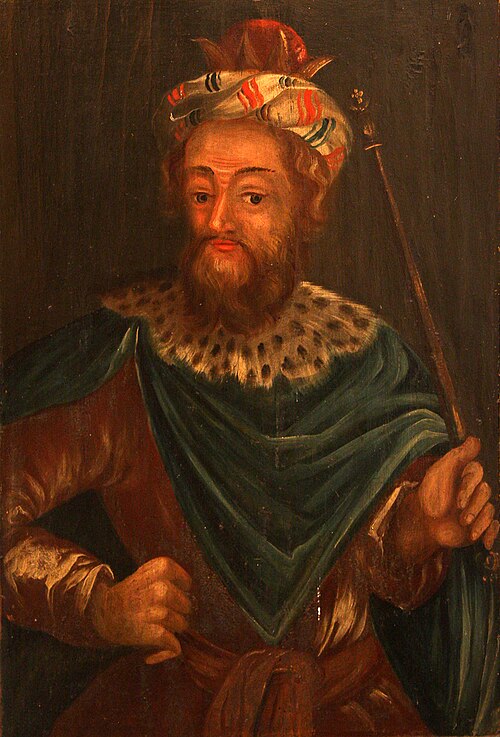
Josiah of Judah
AncientEmperorJudah-640 — -609
Child king, great religious reformer, died at Megiddo.
Compare Josiah of Judah with another historical figure:
Quick Facts
Born
640 BCE
Died
609 BCE
Country
Judah
Era
Ancient
Occupation
Emperor
Score Overview
Military (10%)23
Political (20%)68
Influence (20%)50
Legacy (20%)45
Leadership (15%)65
Strategy (15%)37
Total Score49.7
Josiah of Judah — Complete Timeline
622 BC
Josiah's religious reformsReform◆ Major
Josiah implemented sweeping reforms: he removed all idolatrous objects from the Temple, destroyed high places throughout Judah and Samaria, burned the bones of pagan priests on their altars, and reinstituted the Passover celebration. He centralized worship in Jerusalem.
Religious ReformCentralizationPassover
Impact: nationalconstructive
Destruction of the altar at BethelReform◆ Major
Josiah extended his reforms into the former northern kingdom of Israel. He tore down the altar at Bethel built by Jeroboam I, burned the high place, and desecrated it with human bones. This fulfilled a prophecy made 300 years earlier.
Idolatry DestructionProphecy FulfillmentNorthern Kingdom
Impact: regionalconstructive
Discovery of the Book of the LawCultural
During repairs of the Temple, Hilkiah the high priest found the Book of the Law, likely Deuteronomy. When Shaphan read it to Josiah, the king tore his clothes in grief, realizing how far Judah had strayed from God's commands. This discovery triggered a national religious revival.
Biblical DiscoveryReligious RevivalTemple Repair
Impact: nationalconstructive
Josiah's Passover celebrationCultural
Josiah commanded the people to celebrate the Passover as prescribed in the Book of the Law. This was the most extensive Passover observance since the time of the judges, involving the entire nation and following the detailed regulations of the newly discovered law.
PassoverReligious FestivalNational Unity
Impact: nationalconstructive
609 BC
Battle of MegiddoWar
Pharaoh Necho II of Egypt marched through Judah to aid the Assyrians against Babylon. Josiah intercepted Necho's army at Megiddo, despite Necho's warning not to interfere. Josiah was killed in the battle, ending his reform movement and leading to Judah's decline.
BattleDeathEgyptAssyria
Impact: regionaltragic
Detailed Scores
▶View all detailed scores
Military
Strategy
7
Tactics
7
Battles
7
Army Scale
7
War Impact
7
Political
Governance
7
Reform
7
Stability
7
Policy
7
Power
7
Influence
History
8
Global
7
Culture
8
Ideology
8
Legacy
7
People often compare with
See how Josiah of Judah stacks up against other historical figures
Popular Comparisons
Josiah of Judah vs Theodoric the Great
vs Theodoric the Great62
Josiah of Judah vs Kavadh I
vs Kavadh I60
Josiah of Judah vs Philip V of Macedon
vs Philip V of Macedon50
Josiah of Judah vs Ptolemy XIII
vs Ptolemy XIII39
Josiah of Judah vs Khaba
vs Khaba37
Josiah of Judah vs Wai Ren of Shang
vs Wai Ren of Shang35