Loading...
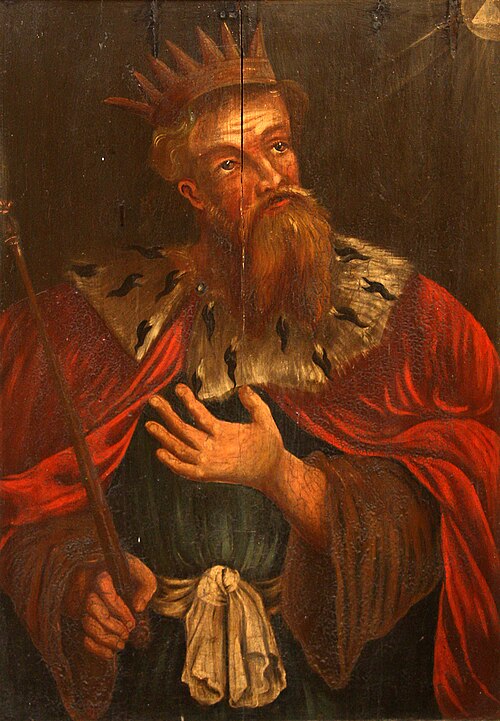
Hezekiah of Judah
AncientEmperorJudah-715 — -686
Righteous king, survived Sennacherib siege of Jerusalem.
Compare Hezekiah of Judah with another historical figure:
Quick Facts
Born
715 BCE
Died
686 BCE
Country
Judah
Era
Ancient
Occupation
Emperor
Score Overview
Military (10%)20
Political (20%)63
Influence (20%)56
Legacy (20%)49
Leadership (15%)74
Strategy (15%)61
Total Score54.8
Hezekiah of Judah — Complete Timeline
715 BC
Religious reforms and centralization of worshipReform◆ Major
Hezekiah removed high places, smashed sacred stones, and cut down Asherah poles. He centralized worship at the Temple in Jerusalem, destroying local shrines throughout Judah. This reform aimed to eliminate idolatry and enforce exclusive worship of Yahweh.
Religious ReformCentralizationIdolatry
Impact: nationalconstructive
705 BC
Hezekiah's rebellion against AssyriaPolitical Action◆ Major
After the death of Assyrian king Sargon II, Hezekiah stopped paying tribute to Assyria and formed an anti-Assyrian alliance with Egypt and other states. This rebellion provoked Sennacherib's invasion and the siege of Jerusalem.
RebellionAllianceAssyria
Impact: regional
701 BC
Siege of Jerusalem by SennacheribWar
Assyrian king Sennacherib besieged Jerusalem after Hezekiah rebelled. Hezekiah paid heavy tribute but the city was not captured. According to biblical accounts, an angel struck down 185,000 Assyrian soldiers, forcing Sennacherib to withdraw. The event preserved Judah's independence.
Assyrian SiegeDivine InterventionSurvival
Impact: regional
Construction of the Siloam TunnelOther◆ Major
Hezekiah ordered the excavation of a 533-meter tunnel through solid rock to bring water from the Gihon Spring into Jerusalem, securing the city's water supply during the Assyrian siege. The tunnel is a major engineering achievement of the ancient Near East.
EngineeringWater SupplySiege Preparation
constructive
Hezekiah's illness and recoveryOther
Hezekiah fell critically ill with a boil. The prophet Isaiah told him he would die, but Hezekiah prayed fervently. God granted him 15 additional years of life and performed a sign by making the shadow on the sundial go backward ten steps.
MiracleHealingProphecy
Impact: national
Detailed Scores
▶View all detailed scores
Military
Strategy
7
Tactics
7
Battles
7
Army Scale
7
War Impact
7
Political
Governance
6
Reform
7
Stability
6
Policy
7
Power
7
Influence
History
8
Global
7
Culture
8
Ideology
8
Legacy
7
People often compare with
See how Hezekiah of Judah stacks up against other historical figures
Popular Comparisons
Hezekiah of Judah vs Ptolemy III Euergetes
vs Ptolemy III Euergetes62
Hezekiah of Judah vs Eucratides I
vs Eucratides I60
Hezekiah of Judah vs Thutmose I
vs Thutmose I60
Hezekiah of Judah vs Wang Mang
vs Wang Mang45
Hezekiah of Judah vs Uldin
vs Uldin41
Hezekiah of Judah vs Arsinoe IV of Egypt
vs Arsinoe IV of Egypt41