Loading...
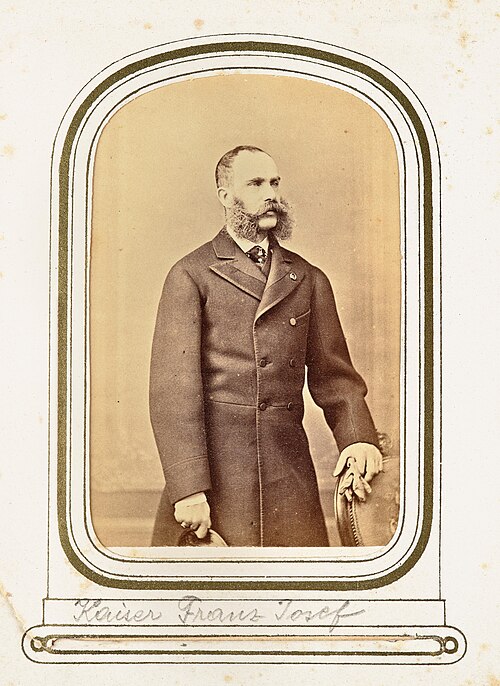
Franz Joseph II
ModernEmperorLiechtenstein1906 — 1989
Prince who kept Liechtenstein neutral in WWII.
Compare Franz Joseph II with another historical figure:
Quick Facts
Born
1906
Died
1989
Country
Liechtenstein
Era
Modern
Occupation
Emperor
Score Overview
Military (10%)12
Political (20%)54
Influence (20%)52
Legacy (20%)43
Leadership (15%)72
Strategy (15%)60
Total Score49.9
Franz Joseph II — Complete Timeline
1938 AD
Accession as Prince of LiechtensteinPolitical Action◆ Major
Franz Joseph II became Prince of Liechtenstein at age 32, succeeding his great-uncle Franz I. He inherited a small, impoverished principality facing pressure from Nazi Germany and the threat of absorption into the Greater German Reich.
SuccessionMonarchy
Impact: national
1939 AD
Maintained Neutrality in World War IIPolitical Action◆ Major
Franz Joseph II kept Liechtenstein neutral throughout World War II, resisting pressure from Nazi Germany to join the Axis. He maintained diplomatic relations with both sides and protected the principality's sovereignty, though the country was economically dependent on Germany.
World War IINeutralityDiplomacy
Impact: nationalconstructive
1945 AD
Refugee Policy During World War IIPolitical Action
At the end of World War II, Franz Joseph II allowed approximately 500 Russian soldiers of the pro-German Russian Liberation Army to seek refuge in Liechtenstein. Despite Soviet demands for repatriation, he refused to extradite them, and most were eventually granted asylum in Argentina.
HumanitarianWorld War IIAsylum
Impact: nationalconstructive
1950 AD
Economic Modernization and IndustrializationReform◆ Major
Franz Joseph II oversaw Liechtenstein's transformation from a poor agricultural state into a wealthy industrial and financial center. He attracted foreign investment, developed the manufacturing sector, and established low-tax policies that made the principality a tax haven.
Economic DevelopmentIndustrializationTax Haven
Impact: nationalconstructive
1984 AD
Granted Women's SuffrageReform◆ Major
Franz Joseph II signed the law granting women the right to vote in national elections, following a referendum that narrowly passed. Liechtenstein was one of the last European countries to introduce women's suffrage, a reform the prince had supported.
Women's RightsSuffrageReform
Impact: nationalprogressive
Detailed Scores
▶View all detailed scores
Military
Strategy
7
Tactics
6
Battles
7
Army Scale
6
War Impact
7
Political
Governance
7
Reform
7
Stability
7
Policy
8
Power
8
Influence
History
8
Global
8
Culture
8
Ideology
9
Legacy
8
People often compare with
See how Franz Joseph II stacks up against other historical figures
Popular Comparisons
Franz Joseph II vs Mongkut
vs Mongkut58
Franz Joseph II vs Salote Tupou III
vs Salote Tupou III54
Franz Joseph II vs Mahmud I
vs Mahmud I53
Franz Joseph II vs King Hyojong of Joseon
vs King Hyojong of Joseon48
Franz Joseph II vs Islam II Giray
vs Islam II Giray48
Franz Joseph II vs Sahin Giray
vs Sahin Giray45