Loading...
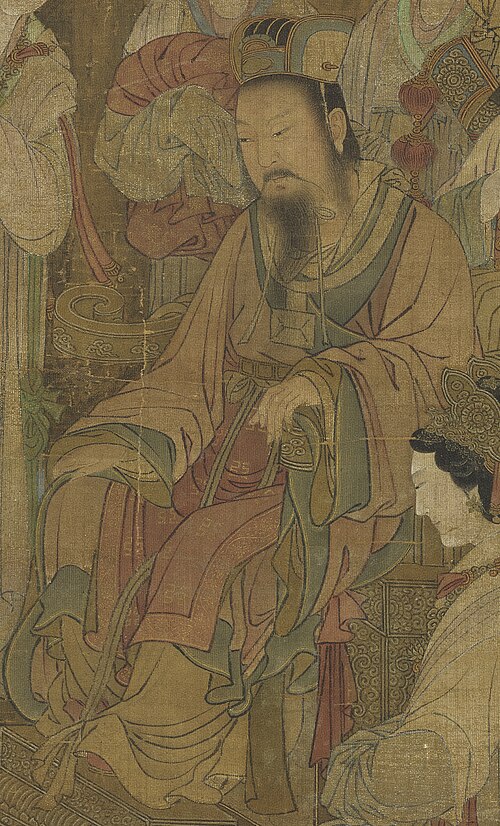
Emperor Wen of Han
AncientEmperorChina-202 — -157
Co-creator of the Rule of Wen and Jing, reduced taxes and punishments.
Compare Emperor Wen of Han with another historical figure:
Quick Facts
Born
202 BCE
Died
157 BCE
Country
China
Era
Ancient
Occupation
Emperor
Score Overview
Military (10%)23
Political (20%)72
Influence (20%)62
Legacy (20%)52
Leadership (15%)80
Strategy (15%)36
Total Score57.1
Emperor Wen of Han — Complete Timeline
180 BC
Promotion of Frugality and SimplicityCultural
Emperor Wen personally practiced frugality, wearing simple clothes and refusing to build extravagant palaces. He set an example for officials and the court, reducing government spending and corruption. This austerity helped restore the economy after the Qin dynasty's excesses.
FrugalityGovernanceEconomic Recovery
Impact: nationalconstructive
179 BC
Abolition of Collective Punishment LawsReform◆ Major
Emperor Wen abolished the Qin-era laws that punished entire families for crimes committed by one member. This reform reduced the harshness of the legal code and was part of his broader effort to restore stability and win popular support after the Qin collapse.
Legal ReformHumanitarianismHan Dynasty
Impact: nationalprogressive
168 BC
Reduction of Tax RatesReform◆ Major
Emperor Wen reduced the agricultural tax from one-fifteenth to one-thirtieth of crop yields, and later temporarily abolished it entirely. This policy stimulated agricultural production, increased state revenue through voluntary contributions, and alleviated peasant burdens.
Tax ReformAgricultureEconomic Policy
Impact: nationalconstructive
167 BC
Abolition of Corporal PunishmentsReform◆ Major
Emperor Wen abolished the mutilation punishments of tattooing, nose-cutting, and foot-cutting, replacing them with beatings and hard labor. This reform was prompted by a filial daughter's plea and marked a significant step toward a more humane legal system.
Legal ReformHumanitarianismPunishment
Impact: nationalprogressive
Detailed Scores
▶View all detailed scores
Military
Strategy
7
Tactics
7
Battles
7
Army Scale
7
War Impact
7
Political
Governance
6
Reform
7
Stability
6
Policy
7
Power
7
Influence
History
8
Global
7
Culture
8
Ideology
8
Legacy
7
People often compare with
See how Emperor Wen of Han stacks up against other historical figures
Popular Comparisons
Emperor Wen of Han vs Esarhaddon
vs Esarhaddon62
Emperor Wen of Han vs Vakhtang I of Iberia
vs Vakhtang I of Iberia58
Emperor Wen of Han vs Chandragupta I
vs Chandragupta I57
Emperor Wen of Han vs Cleomenes III
vs Cleomenes III52
Emperor Wen of Han vs Wen Ding of Shang
vs Wen Ding of Shang47
Emperor Wen of Han vs Nyuserre Ini
vs Nyuserre Ini46