Loading...
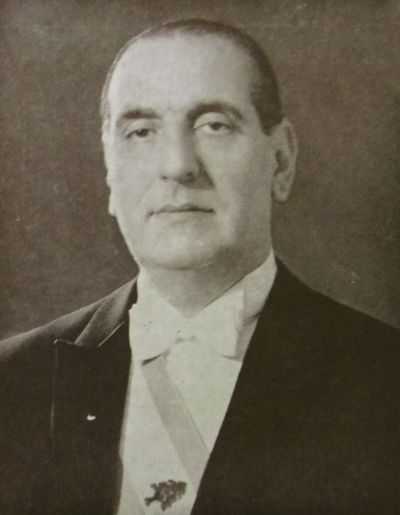
Charles Helou
ModernPoliticianLebanon1913 — 2001
Lebanese president during the Six-Day War.
Compare Charles Helou with another historical figure:
Quick Facts
Born
1913
Died
2001
Country
Lebanon
Era
Modern
Occupation
Politician
Score Overview
Military (10%)45
Political (20%)38
Influence (20%)48
Legacy (20%)38
Leadership (15%)52
Strategy (15%)47
Total Score44.2
Charles Helou — Complete Timeline
1964 AD
Elected President of LebanonPolitical Action◆ Major
Charles Helou was elected President of Lebanon by the Lebanese Parliament on August 18, 1964, succeeding Fouad Chehab. His presidency began with a focus on administrative reform and economic development, continuing the Chehabist policies of state-building and modernization.
PresidencyElectionLebanon
Impact: nationalconstructive
1967 AD
Presided during the Six-Day WarWar◆ Major
As president during the June 1967 Six-Day War between Israel and Arab states, Charles Helou maintained Lebanon's official neutrality while the conflict raged. However, the war's aftermath brought increased Palestinian militant activity in southern Lebanon and refugee flows, destabilizing the country and straining sectarian relations.
Six-Day WarNeutralityPalestinian Refugees
Impact: regional
1969 AD
Signed the Cairo AgreementPolitical Action◆ Major
In November 1969, Charles Helou's government signed the Cairo Agreement with the Palestine Liberation Organization (PLO), mediated by Egypt. The agreement granted Palestinian factions autonomy over refugee camps in Lebanon and legitimized their armed presence, a decision that significantly contributed to the erosion of Lebanese state sovereignty and the outbreak of the civil war in 1975.
Cairo AgreementPLOSovereignty
Impact: nationaldestructive
1970 AD
End of presidential termPolitical Action
Charles Helou's six-year presidential term ended in 1970. He was succeeded by Suleiman Frangieh after a closely contested election. Helou's presidency left a mixed legacy of attempted reforms but also the Cairo Agreement, which many historians view as a pivotal step toward Lebanon's descent into civil war.
Term EndLegacyLebanon
Impact: national
Detailed Scores
▶View all detailed scores
Military
Strategy
6
Tactics
6
Battles
6
Army Scale
5
War Impact
6
Political
Governance
7
Reform
7
Stability
7
Policy
7
Power
8
Influence
History
9
Global
8
Culture
8
Ideology
9
Legacy
8
People often compare with
See how Charles Helou stacks up against other historical figures
Popular Comparisons
Charles Helou vs Ferenc Deak
vs Ferenc Deak59
Charles Helou vs Daniel OConnell
vs Daniel OConnell57
Charles Helou vs Dalia Grybauskaite
vs Dalia Grybauskaite55
Charles Helou vs Chuan Leekpai
vs Chuan Leekpai50
Charles Helou vs Said Musa
vs Said Musa50
Charles Helou vs Anthony Eden
vs Anthony Eden48