Loading...
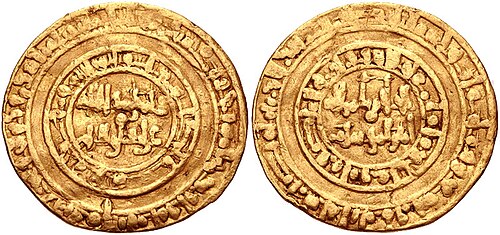
Al-Hakim bi-Amr Allah
MedievalEmperorFatimid Caliphate985 — 1021
Eccentric Fatimid caliph, Druze figure.
Compare Al-Hakim bi-Amr Allah with another historical figure:
Quick Facts
Born
985
Died
1021
Country
Fatimid Caliphate
Era
Medieval
Occupation
Emperor
Score Overview
Military (10%)50
Political (20%)61
Influence (20%)55
Legacy (20%)55
Leadership (15%)67
Strategy (15%)38
Total Score55.6
Al-Hakim bi-Amr Allah — Complete Timeline
996 AD
Accession as Fatimid CaliphPolitical Action◆ Major
Al-Hakim bi-Amr Allah became the sixth Fatimid caliph at age 11, succeeding his father al-Aziz. His early reign was dominated by regents, but he soon asserted personal control, initiating a period of controversial and often erratic rule.
Fatimid CaliphateAccessionRule
Impact: regional
1004 AD
Persecution of Christians and JewsPolitical Action◆ Major
Al-Hakim initiated a series of persecutions against Christians and Jews in the Fatimid Caliphate, including the destruction of churches and synagogues, forced conversions, and discriminatory laws. These actions disrupted religious communities and damaged the caliphate's reputation.
Religious PersecutionFatimid CaliphateChristiansJews
Impact: regionaldestructive
1009 AD
Destruction of the Church of the Holy SepulchreCultural◆ Major
Al-Hakim ordered the destruction of the Church of the Holy Sepulchre in Jerusalem, a major Christian pilgrimage site. This act intensified tensions between the Fatimid Caliphate and Christian Europe, contributing to the later Crusades.
Religious ConflictJerusalemCrusades
Impact: globaldestructive
1017 AD
Proclamation of DivinityCultural
Al-Hakim began to claim divine status, with supporters like al-Darazi proclaiming him as the incarnation of God. This led to the formation of the Druze faith, which views al-Hakim as a divine figure, though he himself did not formally establish the religion.
DruzeDivine ClaimReligious Movement
Impact: regional
1021 AD
Disappearance of Al-HakimOther◆ Major
Al-Hakim disappeared during a night walk near Cairo, likely assassinated by his sister Sitt al-Mulk. His body was never found, leading to Druze beliefs in his occultation. His death ended his erratic rule and led to a period of stability under his successor.
Fatimid CaliphateDeathDruze
Impact: regionaltragic
Detailed Scores
▶View all detailed scores
Military
Strategy
7
Tactics
7
Battles
7
Army Scale
6
War Impact
7
Political
Governance
6
Reform
7
Stability
6
Policy
7
Power
7
Influence
History
9
Global
8
Culture
8
Ideology
9
Legacy
8
People often compare with
See how Al-Hakim bi-Amr Allah stacks up against other historical figures
Popular Comparisons
Al-Hakim bi-Amr Allah vs Charles IV of Bohemia
vs Charles IV of Bohemia62
Al-Hakim bi-Amr Allah vs Husayn Bayqara
vs Husayn Bayqara62
Al-Hakim bi-Amr Allah vs Ivan Asen I of Bulgaria
vs Ivan Asen I of Bulgaria56
Al-Hakim bi-Amr Allah vs Alfonso III of Asturias
vs Alfonso III of Asturias55
Al-Hakim bi-Amr Allah vs Prataparudra II
vs Prataparudra II51
Al-Hakim bi-Amr Allah vs King John
vs King John50