Loading...
Muhammad II of Khwarezm vs Zhu Gaochi
Muhammad II of Khwarezm leads by 0.3 pts · 2 figures compared
…
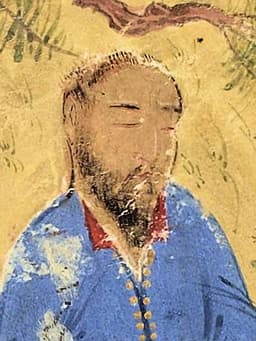
Muhammad II of Khwarezm
Emperor · Medieval
54.5Total
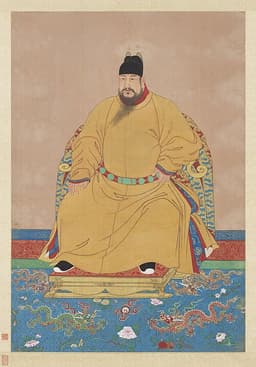
Zhu Gaochi
Emperor · Medieval
54.2Total
Basic Information
Born
1169
1378
Died
1220
1425
Era
Medieval
Medieval
Nationality
Khwarezmian Empire
China
Occupation
Emperor
Emperor
Civilization
Middle Eastern
Eastern
Score Comparison
Military (10%)
55.0
51.4
Political (20%)
40.8
68.0
Influence (20%)
60.0
50.2
Legacy (20%)
49.2
42.5
Leadership (15%)
74.0
58.8
Strategy (15%)
45.0
68.7
TOTAL
54.5
54.2
Muhammad II of Khwarezm — Complete Timeline
1218 AD
Conflict with Genghis KhanPolitical Action
Muhammad II executed Mongol envoys sent by Genghis Khan to establish trade relations. This act provoked the Mongol invasion of the Khwarezmian Empire, leading to one of the most devastating conquests in history.
DiplomacyMongol InvasionProvocation
Impact: globaldestructive
1219 AD
Mongol Invasion of KhwarezmWar
Genghis Khan invaded the Khwarezmian Empire with a massive army. Muhammad II failed to mount a coordinated defense, and the Mongols captured and destroyed major cities including Samarkand, Bukhara, and Urgench, massacring millions.
InvasionMongolDestruction
Impact: globaltragic
1220 AD
Flight and DeathOther◆ Major
Muhammad II fled westward as the Mongols advanced, abandoning his empire. He died on an island in the Caspian Sea, possibly from pneumonia or assassination, leaving his son Jalal ad-Din to continue the resistance.
FlightDeathCollapse
Impact: regionaltragic
Zhu Gaochi — Complete Timeline
1424 AD
Reversal of Yongle's Maritime ExpeditionsReform◆ Major
The Hongxi Emperor ordered the suspension of the treasure fleet voyages led by Zheng He, halting the costly maritime expeditions that had characterized his father's reign. This decision redirected resources to domestic needs and ended China's early naval expansion.
Maritime PolicyZheng HeFiscal Reform
Impact: global
Restoration of Civil Service ExaminationsReform◆ Major
The Hongxi Emperor reinstated the civil service examination system as the primary route to officialdom, reversing the Yongle Emperor's reliance on eunuchs and military appointments. This strengthened the scholar-official class and bureaucratic governance.
Civil ServiceBureaucracyReform
Impact: nationalconstructive
Accession as Hongxi EmperorPolitical Action◆ Major
Zhu Gaochi ascended the Ming throne as the Hongxi Emperor following the death of his father, the Yongle Emperor. His reign began with a shift away from Yongle's expansive policies, focusing on domestic governance and fiscal retrenchment.
Ming DynastySuccessionReform
Impact: nationalconstructive
Pardon of Disgraced OfficialsPolitical Action
The Hongxi Emperor pardoned many officials who had been purged or exiled under the Yongle Emperor, including the scholar Fang Xiaoru's associates. This act aimed to heal political divisions and restore confidence in the Ming court.
PardonPolitical ReconciliationMing Court
Impact: nationalconstructive
1425 AD
Death from IllnessOther◆ Major
The Hongxi Emperor died suddenly after a reign of only nine months, likely from a heart attack or stroke. His brief rule ended the immediate reformist agenda, but his policies influenced his son, the Xuande Emperor.
DeathShort ReignMing Dynasty
Impact: nationaltragic
Expert Analysis
Origins
Muhammad II of Khwarezm was born around 1169, the son of the Khwarezmshah Ala ad-Din Tekish. He inherited a rapidly expanding empire that stretched from the Caspian Sea to the Indus River. His early life was shaped by the complexities of ruling a multi-ethnic realm and the constant threat from neighboring powers like the Ghurids and the Qara Khitai. He received a traditional Islamic education and military training, but his reign was marked by a lack of strategic foresight.
Zhu Gaochi, born in 1378, was the eldest son of the Yongle Emperor of China's Ming dynasty. His early life was spent in the imperial palace, where he was groomed for leadership but often overshadowed by his more aggressive father. He was known for his scholarly inclinations and physical frailty, contrasting sharply with his father's militarism. His education emphasized Confucian classics, which later influenced his governance.
Rise to Power
Muhammad II rose to power after his father's death in 1200. He quickly consolidated control, defeating rivals and expanding the Khwarezmian Empire through military campaigns. By 1218, he controlled much of Central Asia and Persia, making him one of the most powerful rulers in the Islamic world. His turning point came in 1218 when Genghis Khan sought trade relations. Muhammad's decision to execute the Mongol envoys and massacre a trade caravan provoked the Mongol invasion. This act, driven by arrogance and a belief in his own invincibility, set the stage for his downfall.
Zhu Gaochi's rise was more gradual. He was named crown prince in 1404 after a succession struggle with his brothers. His father, the Yongle Emperor, was a warrior emperor who expanded China's borders and launched maritime expeditions. Zhu Gaochi's accession in 1424 was a peaceful transition, but his reign was brief, lasting only nine months. His rise was marked by a deliberate shift away from his father's costly policies.
Leadership & Governance
Muhammad II's leadership was autocratic and erratic. He centralized power but failed to build a cohesive state. His governance relied on a fragile network of vassals and local governors. When the Mongols invaded, he was unable to unite his forces. His political score of 40.8 reflects his poor judgment, while his military score of 55.0 indicates some competence but not enough to counter the Mongol threat. In contrast, Zhu Gaochi's governance was reformist and civil-oriented. He ordered the suspension of Zheng He's treasure fleets, saving the treasury significant resources. He reinstated civil service examinations, reducing eunuch influence. His political score of 68.0 and strategy score of 68.7 highlight his effective, if brief, leadership.
Triumph & Tragedy
Muhammad II's greatest success was expanding the Khwarezmian Empire to its peak, controlling key Silk Road trade routes. However, his greatest failure was provoking the Mongol invasion, which led to the empire's complete destruction. He fled and died in 1220 on an island in the Caspian Sea, possibly from pneumonia or assassination. His legacy score of 49.2 reflects the empire's collapse. Zhu Gaochi's greatest success was initiating a period of fiscal conservatism and civil reform that would influence later Ming rulers. His tragedy was his sudden death after only nine months, which cut short his reforms. His legacy score of 42.5 is lower due to the brevity of his reign, but his influence on governance was significant.
Character & Destiny
Muhammad II was arrogant and short-sighted. His decision to execute envoys showed a lack of strategic thinking, and his refusal to negotiate with Genghis Khan sealed his fate. He scored 74.0 in leadership, but this was undermined by poor strategy (45.0). His character led to his downfall. Zhu Gaochi was cautious and benevolent, but his physical frailness and the sudden death prevented him from fully implementing his vision. His leadership score of 58.8 reflects his moderate style, while his strategy score of 68.7 shows his careful planning.
Legacy
Muhammad II's legacy is primarily negative: his actions triggered the Mongol invasion that devastated Central Asia and Persia. The Khwarezmian Empire was erased, and the Mongols' brutal conquest changed the region's demographics and culture. His influence score of 60.0 acknowledges this impact. Zhu Gaochi's legacy is more positive but limited. His reversal of Yongle's policies set a precedent for fiscal restraint and civil governance. The suspension of the treasure fleets ended China's brief era of maritime exploration, but it also preserved resources. His reforms influenced subsequent Ming emperors, though his short reign limited his direct impact.
Conclusion
Muhammad II of Khwarezm had a greater impact on world history due to the scale of the catastrophe he unleashed. His total score of 54.5 is slightly higher than Zhu Gaochi's 54.2, but the difference is in the nature of their influence. Muhammad II's actions directly led to the Mongol invasion, which reshaped Eurasia. Zhu Gaochi's reforms, while important, were largely domestic and short-lived. In terms of historical impact, Muhammad II's score of 60.0 in influence outweighs Zhu Gaochi's 50.2. Therefore, Muhammad II of Khwarezm had a greater, albeit destructive, impact on history.
Rankings
🥇
Muhammad II of KhwarezmLeader
Mil: 55.0Pol: 40.8Inf: 60.0
54.5
🥈
Zhu Gaochi
Mil: 51.4Pol: 68.0Inf: 50.2
54.2
+0.3 behind
How This Comparison Works
Algorithm
Each figure is scored on 6 dimensions (0—100 scale) based on structured historical data: Military (10%), Political (20%), Influence (20%), Legacy (20%), Leadership (15%), Strategy (15%). The weighted total produces the final ranking.
Data Sources
Scores are computed from structured sub-indicators in the database. Scale factors adjust for era (Ancient ×0.85, Modern ×1.0) and civilization size (Eastern ×1.05, Other ×0.80) to account for differences in population and military scale.
Maximum 3 Figures
Comparisons are limited to 2—3 figures to ensure readability and statistical meaningfulness.
Error Margins
±5 points per dimension — Sub-scores are derived from historical records with inherent uncertainty. Two figures within 5 points on a dimension should be considered roughly equivalent in that area.
Total Score Accuracy
±3 points overall — The weighted combination of 6 dimensions produces a total score with approximately ±3 points of uncertainty. Differences of less than 3 points are not statistically significant— the figures are effectively tied.
Known Limitations
- Historical records are incomplete and uneven across civilizations
- Figures from oral-tradition societies may be underrepresented
- Occupation labels can misclassify multi-role figures
- Scores measure capability and impact, not moral character
- Quantitative scoring is a comparison tool, not absolute truth
Capability Radar
Military (10%) — Battles & Warfare
Battles
55
47
Win Rate
50
49
Expansion
60
51
Political (20%) — Governance & Reform
Reform
35
55
Diplomacy
20
50
Economy
40
60
Influence (20%) — Cultural & Global Reach
Cultural
30
30
Global
40
10
Legacy (20%) — Historical Impact
Historical
55
35
Longevity
30
20
Leadership (15%) — Power & Stability
Tenure
60
20
Stability
25
55
Strategy (15%) — Tactics & Innovation
Strategy
40
54
Tactics
45
57
Reform
30
62
Similar Comparisons
Comments & Discussion
No comments yet. Be the first to share your thoughts!