Loading...
John Magufuli vs Matsudaira Nobutsuna
John Magufuli leads by 0.4 pts · 2 figures compared
…

John Magufuli
Politician · Modern
52.9Total
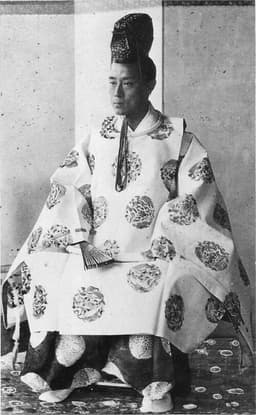
Matsudaira Nobutsuna
Politician · Modern
52.5Total
Basic Information
Born
1955
1596
Died
—
1662
Era
Modern
Modern
Nationality
Tanzania
Japan
Occupation
Politician
Politician
Civilization
Other
Eastern
Score Comparison
Military (10%)
43.3
30.0
Political (20%)
68.0
68.0
Influence (20%)
54.1
51.8
Legacy (20%)
42.5
45.0
Leadership (15%)
68.0
72.0
Strategy (15%)
40.5
43.3
TOTAL
52.9
52.5
John Magufuli — Complete Timeline
2015 AD
Launched Anti-Corruption CampaignReform◆ Major
Magufuli initiated a high-profile anti-corruption drive, dismissing officials for graft and cutting government spending. He canceled Independence Day celebrations and redirected funds to health and education, earning the nickname 'The Bulldozer'.
Anti-CorruptionReformBulldozer
Impact: nationalconstructive
Elected President of TanzaniaPolitical Action◆ Major
Magufuli won the Tanzanian presidential election as the candidate of the Chama Cha Mapinduzi party. He succeeded Jakaya Kikwete and began his first term with a reputation for anti-corruption and infrastructure development.
ElectionPresidencyCCM
Impact: nationalconstructive
2020 AD
Re-elected President of TanzaniaPolitical Action◆ Major
Magufuli won a second term with 84% of the vote in an election criticized by opposition and international observers for irregularities. The opposition disputed results, and the period saw crackdowns on media and political dissent.
ElectionControversySecond Term
Impact: national
Denied COVID-19 SeverityPolitical Action◆ Major
Magufuli downplayed the COVID-19 pandemic, rejecting lockdowns and masks, and claiming prayers and steam inhalation could cure the virus. He refused to release case data, leading to international criticism and domestic health concerns.
COVID-19DenialPublic Health
Impact: nationaldestructive
2021 AD
Died in OfficeOther◆ Major
Magufuli died at age 61 in a Dar es Salaam hospital, officially from heart disease. Opposition figures and many observers believed he died from COVID-19, which his government had downplayed. His death ended his presidency abruptly.
DeathCOVID-19Controversy
Impact: nationaltragic
Matsudaira Nobutsuna — Complete Timeline
1633 AD
Appointment as Senior Councilor (Roju)Political Action◆ Major
Nobutsuna was appointed to the powerful position of roju under Shogun Tokugawa Iemitsu. This role made him one of the highest-ranking officials in the Tokugawa shogunate, responsible for major policy decisions and military command.
AppointmentTokugawa shogunateRoju
Impact: nationalconstructive
1638 AD
Suppression of the Shimabara RebellionWar◆ Major
As a senior councilor, Matsudaira Nobutsuna commanded shogunate forces in the siege of Hara Castle, crushing the Christian-led peasant uprising. The rebellion's suppression led to the finalization of Japan's national seclusion policy and the persecution of Christians.
Shimabara RebellionChristian persecutionSiege
Impact: nationaldestructive
1642 AD
Oversight of the Kan'ei Great Famine ReliefReform
During the severe Kan'ei famine, Nobutsuna implemented relief measures including rice distribution and tax reductions in domains under his control. His actions mitigated some suffering but the famine still caused widespread death across Japan.
Famine reliefKan'ei eraDisaster response
Impact: nationalconstructive
Expert Analysis
Origins
John Magufuli was born in 1955 in Chato, Tanganyika (now Tanzania), to a farming family. He studied chemistry and mathematics at the University of Dar es Salaam, earning a bachelor's degree in education and later a master's in chemistry. He worked as a teacher before entering politics in 1989. Matsudaira Nobutsuna was born in 1596 in Mikawa Province, Japan, into the Matsudaira clan, a branch of the Tokugawa shogunate family. He was the son of Matsudaira Shigekatsu and was raised as a samurai, receiving education in military arts and Confucian governance. He served the Tokugawa shoguns from a young age.
Rise to Power
Magufuli rose through the ranks of the Chama Cha Mapinduzi (CCM) party, becoming a member of parliament in 1995. He served as Minister of Works under President Jakaya Kikwete, where he earned the nickname "Bulldozer" for his aggressive infrastructure projects. In 2015, he won the presidency with 58% of the vote, campaigning on an anti-corruption platform. Nobutsuna rose to prominence under Shogun Tokugawa Iemitsu. He was appointed as a senior councilor (roju) in 1633, a position that made him one of the highest-ranking officials in the shogunate. He gained military reputation by commanding forces against the Shimabara Rebellion in 1637-1638, a Christian-led peasant uprising. His successful suppression of the rebellion solidified his authority.
Leadership & Governance
Magufuli's leadership was characterized by a top-down, authoritarian style. He launched a high-profile anti-corruption campaign, dismissing officials for graft and cutting government spending. He canceled Independence Day celebrations to fund infrastructure projects. However, he also suppressed political dissent, cracked down on media, and arrested opposition leaders. His governance score of 68.0 reflects his effectiveness in implementing policies but also his autocratic tendencies. Nobutsuna's leadership was that of a traditional samurai bureaucrat. He implemented relief measures during the Kan'ei Great Famine (1642-1643), distributing rice and reducing taxes in domains under his control. He also oversaw the enforcement of the shogunate's isolationist policies, including the expulsion of Portuguese traders and the persecution of Christians. His leadership score of 72.0 indicates his competence in managing crises and maintaining order.
Triumph & Tragedy
Magufuli's greatest success was his anti-corruption drive, which recovered millions of dollars in stolen assets and improved government efficiency. He also invested in infrastructure, including a new standard-gauge railway and a hydroelectric dam. His greatest failure was his denial of the COVID-19 pandemic. He rejected lockdowns, masks, and vaccines, claiming prayers and steam inhalation could cure the virus. This led to a high death toll and economic damage. He died in office in 2021, officially from heart disease, though many believe he died from COVID-19. Nobutsuna's triumph was the suppression of the Shimabara Rebellion, which ended with the massacre of over 30,000 rebels at Hara Castle. This victory solidified shogunate control. His tragedy was the harsh persecution of Christians, including the execution of thousands, which later contributed to the isolation of Japan. The Kan'ei famine relief efforts were partially successful, but many still died.
Character & Destiny
Magufuli was known for his blunt, no-nonsense demeanor. He was decisive but also authoritarian, often ignoring legal procedures. His character shaped his destiny: his anti-corruption stance made him popular, but his COVID-19 denialism led to his downfall. He scored 68.0 in leadership but only 40.5 in strategy, reflecting his impulsive decisions. Nobutsuna was a loyal and efficient administrator, embodying the samurai values of duty and order. He followed orders from the shogun and enforced policies without question. His character led to his success in suppressing rebellion but also to his involvement in persecution. His strategy score of 43.3 suggests a methodical but inflexible approach.
Legacy
Magufuli's legacy is mixed. He is remembered as a strong leader who fought corruption, but also as a populist who damaged democratic institutions and public health. His scores in legacy (42.5) and influence (54.1) reflect this ambiguity. In Tanzania, his policies continue to be debated. Nobutsuna's legacy is that of a loyal shogunate official who helped maintain Tokugawa rule. He is remembered for his role in the Shimabara Rebellion and the Kan'ei famine relief. His legacy score of 45.0 is slightly higher than Magufuli's, but his influence score of 51.8 is lower. His actions contributed to Japan's isolationist policies that lasted over 200 years.
Conclusion
While Magufuli and Nobutsuna both scored similarly overall (52.9 vs 52.5), their impacts differ significantly. Magufuli's anti-corruption campaign had a more immediate effect on governance in Tanzania, but his COVID-19 denialism caused widespread harm. Nobutsuna's suppression of the Shimabara Rebellion helped consolidate Tokugawa power, but his persecution of Christians was morally reprehensible. Magufuli's total score of 52.9 edges out Nobutsuna's 52.5, but his impact in political and leadership dimensions (both 68.0) is notable. However, Nobutsuna's longer-lasting influence on Japanese history through the enforcement of isolationism gives him a more enduring legacy. Ultimately, Magufuli had greater short-term impact due to his anti-corruption efforts, but Nobutsuna's actions had more profound and lasting consequences for Japan's development.
Rankings
🥇
John MagufuliLeader
Mil: 43.3Pol: 68.0Inf: 54.1
52.9
🥈
Matsudaira Nobutsuna
Mil: 30.0Pol: 68.0Inf: 51.8
52.5
+0.4 behind
How This Comparison Works
Algorithm
Each figure is scored on 6 dimensions (0—100 scale) based on structured historical data: Military (10%), Political (20%), Influence (20%), Legacy (20%), Leadership (15%), Strategy (15%). The weighted total produces the final ranking.
Data Sources
Scores are computed from structured sub-indicators in the database. Scale factors adjust for era (Ancient ×0.85, Modern ×1.0) and civilization size (Eastern ×1.05, Other ×0.80) to account for differences in population and military scale.
Maximum 3 Figures
Comparisons are limited to 2—3 figures to ensure readability and statistical meaningfulness.
Error Margins
±5 points per dimension — Sub-scores are derived from historical records with inherent uncertainty. Two figures within 5 points on a dimension should be considered roughly equivalent in that area.
Total Score Accuracy
±3 points overall — The weighted combination of 6 dimensions produces a total score with approximately ±3 points of uncertainty. Differences of less than 3 points are not statistically significant— the figures are effectively tied.
Known Limitations
- Historical records are incomplete and uneven across civilizations
- Figures from oral-tradition societies may be underrepresented
- Occupation labels can misclassify multi-role figures
- Scores measure capability and impact, not moral character
- Quantitative scoring is a comparison tool, not absolute truth
Capability Radar
Military (10%) — Battles & Warfare
Battles
22
45
Win Rate
24
60
Expansion
28
20
Political (20%) — Governance & Reform
Reform
60
50
Diplomacy
40
55
Economy
45
45
Influence (20%) — Cultural & Global Reach
Cultural
30
25
Global
25
15
Legacy (20%) — Historical Impact
Historical
35
40
Longevity
20
30
Leadership (15%) — Power & Stability
Tenure
55
65
Stability
50
60
Strategy (15%) — Tactics & Innovation
Strategy
33
50
Tactics
34
55
Reform
37
30
Similar Comparisons
Comments & Discussion
No comments yet. Be the first to share your thoughts!