Loading...
Frederick I of Prussia vs Kangxi Emperor
Kangxi Emperor leads by 18.5 pts · 2 figures compared
…
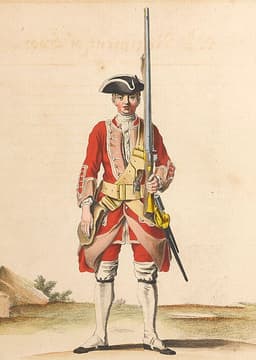
Frederick I of Prussia
Emperor · Modern
54.9Total
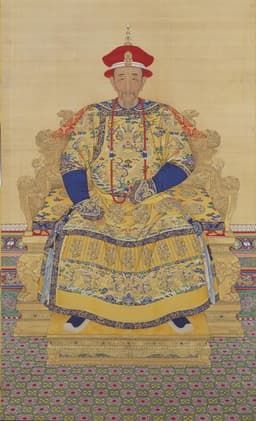
Kangxi Emperor
Emperor · Modern
73.4Total
Basic Information
Born
1657
1654
Died
1713
1722
Era
Modern
Modern
Nationality
Prussia
China
Occupation
Emperor
Emperor
Civilization
Western
Eastern
Score Comparison
Military (10%)
50.0
85.0
Political (20%)
72.0
78.0
Influence (20%)
53.3
69.8
Legacy (20%)
45.8
65.0
Leadership (15%)
68.0
81.3
Strategy (15%)
41.0
72.7
TOTAL
54.9
73.4
Frederick I of Prussia — Complete Timeline
1694 AD
Founded the University of HalleCultural◆ Major
Frederick I founded the University of Halle, which became a center of Pietism and Enlightenment thought. The university attracted scholars like Christian Thomasius and August Hermann Francke.
PrussiaEducationEnlightenment
Impact: regionalconstructive
1699 AD
Commissioned the Berlin Palace ExpansionCultural
Frederick I commissioned the expansion of the Berlin Palace, transforming it into a Baroque residence. The project, designed by architect Andreas Schl
PrussiaArchitectureBaroque
Impact: nationalconstructive
1701 AD
Crowned King in Prussia at KönigsbergPolitical Action◆ Major
Frederick crowned himself King in Prussia at K
PrussiaCoronationKingdom
Impact: regionalconstructive
Established the Order of the Black EagleCultural
Frederick I established the Order of the Black Eagle, the highest order of chivalry in Prussia. It was awarded for military and civil merit, symbolizing the prestige of the new kingdom.
PrussiaChivalryHonors
Impact: nationalconstructive
1713 AD
Supported the Great Northern War as an Ally of RussiaWar◆ Major
Frederick I allied with Russia and other powers against Sweden in the Great Northern War. Prussia gained territory including Stettin and parts of Swedish Pomerania, though Frederick died before the war ended.
PrussiaGreat Northern WarTerritorial Expansion
Impact: regionalconstructive
Kangxi Emperor — Complete Timeline
1673 AD
Suppression of the Revolt of the Three FeudatoriesWar
The Kangxi Emperor faced a major rebellion led by three powerful Han Chinese feudatories in southern China, including Wu Sangui. He personally directed military campaigns, and by 1681 the revolt was crushed, consolidating Qing control over the south.
RebellionFeudatoriesQing Dynasty
Impact: national
1683 AD
Conquest of TaiwanWar◆ Major
Kangxi ordered the invasion of Taiwan, then held by the Ming loyalist Zheng Keshuang. Qing naval forces defeated the Zheng fleet, and Taiwan was incorporated into the Qing Empire as a prefecture, ending the last major Ming resistance.
TaiwanConquestMing Loyalists
Impact: regional
1689 AD
Treaty of NerchinskPolitical Action◆ Major
The Kangxi Emperor negotiated the Treaty of Nerchinsk with the Russian Empire, establishing the border between Siberia and Manchuria. This was China's first treaty with a European power and secured the northern frontier, allowing trade and diplomatic relations.
TreatyRussiaBorder
Impact: globalconstructive
1691 AD
Incorporation of Outer MongoliaPolitical Action◆ Major
Kangxi personally met with Khalkha Mongol leaders at Dolon Nor, where they formally submitted to Qing authority. This brought Outer Mongolia under Qing control, ending the Dzungar threat and expanding the empire's northern borders.
MongoliaExpansionQing
Impact: regionalconstructive
1716 AD
Compilation of the Kangxi DictionaryCultural◆ Major
Kangxi commissioned the Kangxi Dictionary, a comprehensive dictionary of Chinese characters. It became the standard reference for Chinese lexicography, containing over 47,000 characters and influencing scholarship for centuries.
DictionaryLanguageScholarship
Impact: globalconstructive
Expert Analysis
Origins
Frederick I of Prussia (born 1657) was the son of Frederick William, the Great Elector, who transformed Brandenburg-Prussia into a significant power. Frederick inherited a well-organized state but lacked his father's military acumen. He was more interested in art, architecture, and elevating his status. His early life was marked by a strained relationship with his father, who considered him frivolous. Frederick was educated in French culture and courtly etiquette, which shaped his taste for splendor.
Kangxi Emperor (born Xuanye, 1654) ascended the throne at age 7 after his father, the Shunzhi Emperor, died of smallpox. He was raised under the regency of four ministers, including the powerful Oboi. Kangxi's early education was rigorous, covering Confucian classics, martial arts, and Manchu traditions. He personally led campaigns from a young age, displaying a blend of intellectual curiosity and military decisiveness. His background as a Manchu ruler in a predominantly Han Chinese empire demanded political finesse.
Rise to Power
Frederick I's rise was primarily diplomatic. He secured the title 'King in Prussia' through negotiations with Emperor Leopold I, who needed Prussia's support in the War of the Spanish Succession. Frederick crowned himself at Königsberg in 1701, a symbolic act that elevated his duchy to a kingdom. His reign focused on patronage of the arts and founding institutions like the University of Halle (1694), which became a center of Pietism and Enlightenment thought. He also established the Order of the Black Eagle, Prussia's highest chivalric order, to bind nobility to the crown.
Kangxi's rise was marked by overcoming a regency crisis. By 1669, he outmaneuvered the regent Oboi, who had monopolized power, and began personal rule. His first major challenge was the Revolt of the Three Feudatories (1673–1681), led by Wu Sangui and other southern Han lords. Kangxi personally directed the campaign, suppressing the rebellion and consolidating Qing control over southern China. This victory at age 27 secured his authority and allowed him to pursue further territorial expansion.
Leadership & Governance
Frederick I's leadership style was ceremonial and centralizing. He modeled his court after Versailles, commissioning the expansion of the Berlin Palace into a Baroque residence. His governance focused on unifying his disparate territories under a single royal identity, but he delegated administrative tasks to ministers. He supported religious tolerance for Pietists and Huguenots, boosting the economy. However, his military score of 50.0 reflects his lack of direct involvement in warfare; he relied on allies like Russia in the Great Northern War, gaining Stettin and parts of Swedish Pomerania.
Kangxi was a hands-on ruler, personally leading military campaigns and conducting administrative reforms. He scored 81.3 in leadership and 85.0 in military, reflecting his direct command during the suppression of the Three Feudatories and the conquest of Taiwan (1683). He also negotiated the Treaty of Nerchinsk (1689) with Russia, establishing the border between Siberia and Manchuria—a landmark in diplomatic relations. His governance included tax reforms, flood control, and patronage of scholarship, such as the Kangxi Dictionary, a comprehensive Chinese dictionary. He integrated Manchu and Han institutions, promoting Confucian ideals while maintaining Manchu identity.
Triumph & Tragedy
Frederick I's greatest triumph was achieving the royal title, which laid the foundation for Prussia's future as a great power. His founding of the University of Halle fostered intellectual growth, attracting scholars like Christian Thomasius. However, his reign saw limited military success; Prussia's gains in the Great Northern War were modest compared to the costs. His focus on courtly splendor over military buildup left Prussia vulnerable. His death in 1713 revealed a kingdom with a strained treasury, as his lavish spending on palaces and ceremonies had drained resources.
Kangxi's triumphs include the suppression of the Three Feudatories, the conquest of Taiwan, and the incorporation of Outer Mongolia (1691), which doubled the Qing empire's territory. His cultural achievements, like the Kangxi Dictionary, standardized Chinese lexicography. Yet, his reign also saw tragedies: the later years witnessed succession disputes, as his sons vied for power. The Nine Sons' Factionalism emerged from his failure to designate a clear heir, leading to instability after his death. Additionally, his military campaigns in the northwest against the Dzungars were costly and protracted.
Character & Destiny
Frederick I was a patron of arts and a ceremonial monarch, more interested in prestige than power. His character, marked by vanity and a love for luxury, shaped a reign focused on symbolic achievements. He lacked strategic military instincts (score 41.0) and relied on alliances. His destiny was to be a transitional figure, bridging the Great Elector's military state and his son Frederick William I's 'Soldier King' era. Historians often view him as overshadowed by his more dynamic father and son.
Kangxi was pragmatic, intelligent, and resilient. His ability to learn from mistakes—such as the early failures against the Three Feudatories—and adapt made him an effective ruler. He personally studied mathematics, astronomy, and Western sciences brought by Jesuit missionaries, reflecting intellectual openness. His character combined Confucian benevolence with Manchu martial discipline. His destiny was to be one of China's greatest emperors, stabilizing the Qing dynasty and expanding its borders. His legacy is measured by a 65.0 legacy score, reflecting enduring impact.
Legacy
Frederick I's legacy is mixed. He established the Kingdom of Prussia, but his son Frederick William I reversed his cultural policies, prioritizing military efficiency. The University of Halle survived and became a beacon of Enlightenment. The Order of the Black Eagle remained a prestigious award. However, his reign is often seen as a costly interlude. His total score of 54.9 reflects limited long-term influence.
Kangxi's legacy is vast. He consolidated Qing rule over China, integrated Taiwan and Mongolia, and set the stage for the prosperous High Qing era. The Kangxi Dictionary remained the standard for centuries. His reign is considered a golden age of Chinese culture and stability. His total score of 73.4 indicates greater impact. The Qing dynasty continued for two centuries after his death, in part due to his foundations.
Conclusion
While Frederick I elevated Prussia's status through diplomacy and culture, Kangxi's achievements in military conquest, territorial expansion, and governance were far more consequential. Kangxi scored 73.4 overall versus Frederick's 54.9, a gap of 18.5 points. Kangxi's direct leadership, strategic acumen, and enduring institutions outweigh Frederick's courtly splendor. Kangxi had greater impact on world history, shaping the largest empire of his era.
Rankings
🥇
Kangxi EmperorLeader
Mil: 85.0Pol: 78.0Inf: 69.8
73.4
🥈
Frederick I of Prussia
Mil: 50.0Pol: 72.0Inf: 53.3
54.9
+18.5 behind
How This Comparison Works
Algorithm
Each figure is scored on 6 dimensions (0—100 scale) based on structured historical data: Military (10%), Political (20%), Influence (20%), Legacy (20%), Leadership (15%), Strategy (15%). The weighted total produces the final ranking.
Data Sources
Scores are computed from structured sub-indicators in the database. Scale factors adjust for era (Ancient ×0.85, Modern ×1.0) and civilization size (Eastern ×1.05, Other ×0.80) to account for differences in population and military scale.
Maximum 3 Figures
Comparisons are limited to 2—3 figures to ensure readability and statistical meaningfulness.
Error Margins
±5 points per dimension — Sub-scores are derived from historical records with inherent uncertainty. Two figures within 5 points on a dimension should be considered roughly equivalent in that area.
Total Score Accuracy
±3 points overall — The weighted combination of 6 dimensions produces a total score with approximately ±3 points of uncertainty. Differences of less than 3 points are not statistically significant— the figures are effectively tied.
Known Limitations
- Historical records are incomplete and uneven across civilizations
- Figures from oral-tradition societies may be underrepresented
- Occupation labels can misclassify multi-role figures
- Scores measure capability and impact, not moral character
- Quantitative scoring is a comparison tool, not absolute truth
Capability Radar
Military (10%) — Battles & Warfare
Battles
15
85
Win Rate
10
88
Expansion
35
92
Political (20%) — Governance & Reform
Reform
55
88
Diplomacy
65
90
Economy
50
85
Influence (20%) — Cultural & Global Reach
Cultural
30
88
Global
30
80
Legacy (20%) — Historical Impact
Historical
45
90
Longevity
40
85
Leadership (15%) — Power & Stability
Tenure
60
95
Stability
45
92
Strategy (15%) — Tactics & Innovation
Strategy
15
90
Tactics
10
82
Reform
40
85
Similar Comparisons
Comments & Discussion
No comments yet. Be the first to share your thoughts!