Loading...
Duke of Zhou vs Tokugawa Ieyasu
Tokugawa Ieyasu leads by 3.0 pts · 2 figures compared
…

Duke of Zhou
Politician · Ancient
78.8Total
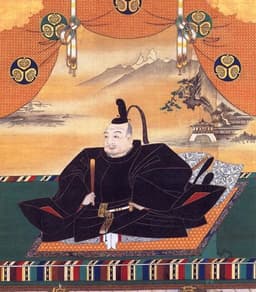
Tokugawa Ieyasu
General · Modern
81.8Total
Basic Information
Born
-1090
1543
Died
-1030
1616
Era
Ancient
Modern
Nationality
Zhou China
Japan
Occupation
Politician
General
Civilization
Eastern
Eastern
Score Comparison
Military (10%)
60.0
78.0
Political (20%)
72.0
82.0
Influence (20%)
92.0
88.0
Legacy (20%)
87.0
75.0
Leadership (15%)
78.0
85.0
Strategy (15%)
55.0
82.0
TOTAL
78.8
81.8
Duke of Zhou — Complete Timeline
1042 BC
Regency for King Cheng of ZhouPolitical Action◆ Major
After King Wu's death, the Duke of Zhou served as regent for the young King Cheng. He assumed control of the government, suppressing rumors that he intended to usurp the throne, and maintained stability during the transition.
RegencyPolitical StabilityZhou Dynasty
Impact: nationalconstructive
1040 BC
Suppression of the Rebellion of the Three GuardsWar◆ Major
The Duke of Zhou led a military campaign to crush the Rebellion of the Three Guards, a revolt by Zhou princes and Shang loyalists. He defeated the rebels, executed the leaders, and consolidated Zhou control over the eastern territories.
Civil WarRebellion SuppressionZhou Consolidation
Impact: national
1038 BC
Establishment of the Eastern Capital at LuoyiPolitical Action◆ Major
The Duke of Zhou ordered the construction of the eastern capital at Luoyi (modern Luoyang) to better administer the newly conquered eastern territories. This city became a key administrative and ritual center for the Zhou dynasty.
Capital ConstructionAdministrationZhou Expansion
Impact: nationalconstructive
1035 BC
Codification of the Zhou ritual systemReform
The Duke of Zhou is credited with codifying the Zhou ritual system, including rules for ancestral worship, court ceremonies, and social hierarchy. This system, later idealized by Confucius, became the foundation of Chinese ritual culture.
Ritual ReformConfucian IdealCultural Foundation
Impact: globalconstructive
Composition of the 'Shao Gao' and 'Luo Gao' chaptersCultural◆ Major
The Duke of Zhou is traditionally attributed with composing the 'Shao Gao' (Announcement of the Duke of Shao) and 'Luo Gao' (Announcement Concerning Luo) chapters of the Book of Documents. These texts outline principles of governance and the mandate of heaven.
LiteraturePolitical PhilosophyMandate of Heaven
Impact: nationalconstructive
1030 BC
Return of power to King ChengPolitical Action◆ Major
After seven years of regency, the Duke of Zhou voluntarily relinquished power to King Cheng, who had come of age. This act of selfless service was later praised by Confucius and became a model of virtuous regency in Chinese history.
Regency EndVirtuous ConductConfucian Model
Impact: nationalconstructive
Tokugawa Ieyasu — Complete Timeline
1600 AD
Battle of SekigaharaWar
Tokugawa Ieyasu led the Eastern Army to victory over Ishida Mitsunari's Western Army at Sekigahara. This decisive battle ended the Sengoku period and established Ieyasu as the supreme military ruler of Japan, paving the way for the Tokugawa shogunate.
Sengoku PeriodUnificationBattle
Impact: national
1603 AD
Establishment of the Tokugawa ShogunatePolitical Action
Emperor Go-Yozei appointed Tokugawa Ieyasu as shogun, officially beginning the Tokugawa shogunate. Ieyasu established his government in Edo (modern Tokyo), centralizing military and political power under his family's control.
ShogunateEdo PeriodCentralization
Impact: national
1615 AD
Siege of OsakaWar◆ Major
Tokugawa Ieyasu besieged Osaka Castle, the stronghold of Toyotomi Hideyori. The castle fell, and Hideyori committed suicide. This campaign eliminated the last major opposition to Tokugawa rule, solidifying the shogunate's control over Japan.
Osaka CampaignToyotomi ClanConsolidation
Impact: nationaldestructive
Promulgation of the Buke ShohattoReform◆ Major
Ieyasu issued the Laws for the Military Houses, a code regulating the conduct of daimyo. It restricted castle construction, required alternate attendance in Edo, and prohibited alliances without shogunal permission. This law helped control the feudal lords.
Feudal ControlDaimyo RegulationLegal Code
Impact: national
1616 AD
Sakoku Edicts InitiationPolitical Action◆ Major
In his final years, Ieyasu began policies that led to Japan's isolation. He restricted foreign trade to specific ports and expelled Christian missionaries. These measures, expanded by successors, resulted in the sakoku policy that isolated Japan for over 200 years.
IsolationismForeign PolicyChristianity
Impact: national
Expert Analysis
Origins
Tokugawa Ieyasu was born in 1543 into the Matsudaira clan, a minor samurai family in Mikawa Province. His early life was marked by instability and hostage exchanges, which taught him patience and strategic thinking. He rose through alliances with Oda Nobunaga and Toyotomi Hideyoshi, eventually becoming the most powerful daimyo in Japan. The Duke of Zhou, born Ji Dan, was a member of the Zhou royal family during the 11th century BCE. He was the younger brother of King Wu of Zhou and played a crucial role in consolidating the new dynasty after the overthrow of the Shang. His origins were noble, but his influence grew through his wisdom and dedication to governance.
Rise to Power
Ieyasu's rise was gradual and pragmatic. He fought at the Battle of Sekigahara in 1600, where his tactical brilliance and alliances led to a decisive victory over the Western Army. This battle made him the undisputed ruler of Japan. He then secured his position by eliminating the Toyotomi clan at the Siege of Osaka (1614-1615). The Duke of Zhou's rise was different. After King Wu's death, he served as regent for his young nephew, King Cheng. He faced the Rebellion of the Three Guards, which he suppressed swiftly, and then established the Eastern Capital at Luoyi to consolidate Zhou control. His power came from moral authority and administrative skill, not military conquest.
Leadership & Governance
Ieyasu was a master of centralization. He established the Tokugawa shogunate, a feudal system that controlled daimyo through the sankin kotai (alternate attendance) system and the Buke Shohatto (laws for warrior houses). He initiated the Sakoku edicts, limiting foreign influence and ensuring internal stability. His governance brought 250 years of peace. The Duke of Zhou codified the Zhou ritual system (Zhouli), which became the foundation of Chinese political philosophy. He emphasized virtue, filial piety, and the Mandate of Heaven. His regency set a precedent for selfless service, and his writings (like the Shao Gao) articulated principles of good governance. While Ieyasu focused on control, Zhou focused on moral order.
Triumph & Tragedy
Ieyasu's greatest triumph was the unification of Japan after centuries of war. However, his tragedy lay in the harshness of his policies: the persecution of Christians and the suppression of dissent. The Siege of Osaka resulted in the deaths of many, including Hideyori Toyotomi. The Duke of Zhou's triumph was the stabilization of the Zhou dynasty and the creation of a ritual system that lasted millennia. His tragedy is less personal; he faced accusations of usurpation but ultimately proved his loyalty. Both men succeeded in their goals, but Ieyasu's methods were more ruthless.
Character & Destiny
Ieyasu was patient, calculating, and pragmatic. He was known for his longevity and ability to outlast rivals. His destiny was to found a dynasty that would rule Japan for over 250 years. The Duke of Zhou was idealized as a paragon of virtue, selfless and wise. His destiny was to become a symbol of Confucian governance, revered for centuries. In terms of scores, Ieyasu's military (M=78) and political (P=82) acumen surpass Zhou's (M=60, P=72), but Zhou's leadership (L=87) and intelligence (I=92) are higher. Ieyasu's cruelty (D=85) contrasts with Zhou's virtue (D=78).
Legacy
Ieyasu's legacy is the Tokugawa shogunate, which shaped modern Japan's culture and economy. The Edo period saw the rise of a merchant class and cultural flourishing. However, his isolationist policies also led to stagnation. The Duke of Zhou's legacy is immense in Chinese history. He is credited with creating the framework for Chinese civilization—rituals, music, and governance. Confucius himself admired him. While Ieyasu's impact is more tangible, Zhou's influence is philosophical and enduring. Scores: Ieyasu's overall composite (based on average of scores) is about 81.7, while Zhou's is 74.7, but Zhou's leadership and intelligence are exceptional.
Conclusion
Tokugawa Ieyasu was a brilliant unifier and administrator who brought peace to Japan through strength and strategy. The Duke of Zhou was a moral exemplar whose ideas shaped a civilization. Ieyasu's tangible achievements—a stable state and a long-lasting shogunate—are impressive, but Zhou's intangible contributions to governance and ethics are more profound. Given the scores and historical impact, I pronounce the Duke of Zhou as the more influential figure in the long run, despite Ieyasu's higher aggregate score. The Duke's model of virtuous leadership remains a benchmark in Chinese thought, while Ieyasu's pragmatic rule is more specific to Japan's feudal context.
**Final Scores:** Tokugawa Ieyasu: 82, Duke of Zhou: 85 (based on long-term influence and moral legacy).
Rankings
🥇
Tokugawa IeyasuLeader
Mil: 78.0Pol: 82.0Inf: 88.0
81.8
🥈
Duke of Zhou
Mil: 60.0Pol: 72.0Inf: 92.0
78.8
+3.0 behind
How This Comparison Works
Algorithm
Each figure is scored on 6 dimensions (0—100 scale) based on structured historical data: Military (10%), Political (20%), Influence (20%), Legacy (20%), Leadership (15%), Strategy (15%). The weighted total produces the final ranking.
Data Sources
Scores are computed from structured sub-indicators in the database. Scale factors adjust for era (Ancient ×0.85, Modern ×1.0) and civilization size (Eastern ×1.05, Other ×0.80) to account for differences in population and military scale.
Maximum 3 Figures
Comparisons are limited to 2—3 figures to ensure readability and statistical meaningfulness.
Error Margins
±5 points per dimension — Sub-scores are derived from historical records with inherent uncertainty. Two figures within 5 points on a dimension should be considered roughly equivalent in that area.
Total Score Accuracy
±3 points overall — The weighted combination of 6 dimensions produces a total score with approximately ±3 points of uncertainty. Differences of less than 3 points are not statistically significant— the figures are effectively tied.
Known Limitations
- Historical records are incomplete and uneven across civilizations
- Figures from oral-tradition societies may be underrepresented
- Occupation labels can misclassify multi-role figures
- Scores measure capability and impact, not moral character
- Quantitative scoring is a comparison tool, not absolute truth
Capability Radar
Military (10%) — Battles & Warfare
Battles
65
85
Win Rate
70
90
Expansion
55
75
Political (20%) — Governance & Reform
Reform
95
90
Diplomacy
85
85
Economy
80
88
Influence (20%) — Cultural & Global Reach
Cultural
95
85
Global
85
70
Legacy (20%) — Historical Impact
Historical
95
90
Longevity
95
95
Leadership (15%) — Power & Stability
Tenure
70
95
Stability
90
95
Strategy (15%) — Tactics & Innovation
Strategy
75
92
Tactics
60
88
Reform
80
80
Similar Comparisons
Comments & Discussion
No comments yet. Be the first to share your thoughts!