Loading...
Berengar I vs Hugh of Italy
Berengar I leads by 1.6 pts · 2 figures compared
…
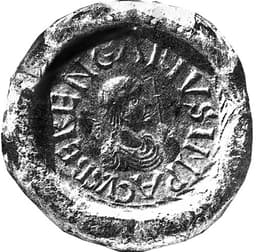
Berengar I
Emperor · Medieval
45.4Total

Hugh of Italy
Emperor · Medieval
43.8Total
Basic Information
Born
845
880
Died
924
947
Era
Medieval
Medieval
Nationality
Italy
Italy
Occupation
Emperor
Emperor
Civilization
Western
Western
Score Comparison
Military (10%)
38.3
35.0
Political (20%)
36.5
37.9
Influence (20%)
51.0
48.6
Legacy (20%)
40.8
38.3
Leadership (15%)
58.8
58.8
Strategy (15%)
43.3
41.0
TOTAL
45.4
43.8
Berengar I — Complete Timeline
899 AD
Battle of the Brenta RiverWar◆ Major
Berengar I defeated a Magyar raiding army at the Brenta River in northern Italy. This victory temporarily halted Magyar incursions into Italy and enhanced Berengar's reputation as a defender of the kingdom, leading to his imperial coronation.
BattleMagyarsDefense
Impact: regionalconstructive
915 AD
Crowned Holy Roman EmperorPolitical Action◆ Major
Berengar I was crowned Holy Roman Emperor by Pope John X. This recognition came after his victory over the Magyars at the Battle of the Brenta River, solidifying his authority in Italy and marking the peak of his power.
Holy Roman EmpireCoronationItaly
Impact: regional
922 AD
Loss of Imperial Title to Rudolf IIPolitical Action
Berengar I was forced to recognize Rudolf II of Burgundy as King of Italy after a military defeat. This loss of control over much of northern Italy weakened his position and led to a period of dual kingship, undermining his authority.
Civil WarItalyRivalry
Impact: regionaldestructive
924 AD
Assassination of Berengar IOther◆ Major
Berengar I was assassinated in Verona by a member of his own retinue, possibly at the instigation of his rival, Rudolf II of Burgundy. His death ended his reign and plunged Italy into a period of fragmentation and civil war.
AssassinationItalySuccession Crisis
Impact: regionaltragic
Hugh of Italy — Complete Timeline
926 AD
Crowned King of ItalyPolitical Action◆ Major
Hugh was crowned King of Italy in Pavia, succeeding Rudolf II. His reign was marked by efforts to centralize power and resist Magyar raids, but he faced constant opposition from the Italian nobility and the Papacy.
CoronationItalyKingship
Impact: regional
932 AD
Marriage to MaroziaPolitical Action◆ Major
Hugh of Italy married Marozia, the powerful Roman senator and mother of Pope John XI. This marriage aimed to strengthen his control over Rome and the Papacy, but it provoked opposition from Roman nobles and led to his downfall.
Marriage AllianceRomePapal Politics
Impact: regional
933 AD
Conflict with Pope John XIPolitical Action
Hugh attempted to control the Papacy by deposing Pope John XI, his stepson, but failed due to Roman opposition. This conflict weakened his influence in Rome and contributed to the instability of his reign.
Papal ConflictRomePower Struggle
Impact: regionaldestructive
945 AD
Defeat by Berengar of IvreaWar◆ Major
Hugh was defeated by Berengar of Ivrea (later Berengar II) near the Po River. This military loss forced Hugh to flee to Provence, where he died shortly after, ending his rule over Italy and paving the way for Berengar's rise.
Civil WarItalyDefeat
Impact: regionaltragic
Expert Analysis
Origins
Berengar I was born around 845 in Friuli, Italy, into the influential Unruoching dynasty. His father was Eberhard of Friuli, a powerful margrave, and his mother was Gisela, a daughter of Emperor Louis the Pious. This Carolingian connection gave Berengar a strong claim to the Italian throne. He was educated in the Frankish court and inherited the March of Friuli in 874, laying the groundwork for his political ambitions.
Hugh of Italy was born around 880 in Arles, Provence, into the Bosonid dynasty. His father was Theobald of Arles, a count, and his mother was Bertha of Lotharingia. Hugh grew up in a turbulent period of Carolingian decline. He became Count of Arles and later Duke of Provence, using his family's connections to assert claims in Italy. His early life was marked by the need to navigate the complex feudal politics of post-Carolingian Europe.
Rise to Power
Berengar I rose to prominence after the death of Emperor Charles the Fat in 888. He was elected King of Italy in 888, competing against Guy of Spoleto. Berengar's early reign was challenged by Guy, but he secured his position through a combination of military campaigns and diplomacy. A key turning point was his victory over the Magyars at the Battle of the Brenta River in 899. This victory enhanced his reputation and led Pope John X to crown him Holy Roman Emperor in 915. However, his power remained contested by rivals like Rudolf II of Burgundy.
Hugh of Italy rose to power after the death of King Louis the Blind in 928. He was elected King of Italy in 926, succeeding Rudolf II. Hugh's rise was facilitated by his marriage to Marozia, the powerful Roman senator and mother of Pope John XI, in 932. This marriage gave him control over Rome and the papacy, but it also created enemies. Hugh attempted to centralize power but faced opposition from local nobles and the Magyars, who raided Italy during his reign.
Leadership & Governance
Berengar I's leadership style was pragmatic and defensive. He focused on securing his realm against external threats, particularly the Magyars. His governance relied on alliances with powerful families and the Church. He granted lands and privileges to secure loyalty, but his generosity sometimes weakened his authority. Berengar's military score of 38.3 and political score of 36.5 reflect his mixed success in maintaining control.
Hugh of Italy's leadership was more aggressive in centralization. He attempted to reduce the power of the nobility and strengthen royal authority. He also sought to control the papacy through his marriage to Marozia and by deposing Pope John XI in 934, but failed due to Roman opposition. Hugh's political score of 37.9 and military score of 35.0 indicate his struggles to maintain power. His governance style created lasting resentment among the Italian aristocracy.
Triumph & Tragedy
Berengar I's greatest triumph was his victory over the Magyars at the Brenta River in 899, which earned him the imperial crown. He also successfully navigated the complex politics of Italy for over two decades. However, his greatest tragedy was his assassination in 924 by a member of his retinue, possibly instigated by Rudolf II. This ended his reign and led to a period of instability.
Hugh of Italy's triumph was his election as King of Italy in 926 and his marriage to Marozia, which gave him influence in Rome. However, his tragedy was his defeat by Berengar of Ivrea (later Berengar II) near the Po River in 945. This forced him to flee to Provence, where he died shortly after. His attempts to control the papacy also failed, weakening his legacy.
Character & Destiny
Berengar I was a cautious and resilient ruler, but his reliance on alliances made him vulnerable. His decision to grant lands to secure loyalty ultimately undermined his authority. Historians often view him as a capable but unlucky leader who struggled to consolidate power in a fragmented Italy. His character was shaped by the need to balance competing interests, leading to a reign of constant negotiation.
Hugh of Italy was ambitious and ruthless, but his aggressive centralization alienated the nobility. His marriage to Marozia and attempts to control the papacy showed his desire for power, but they also created enemies. Hugh's character was marked by overreach; his failure to secure lasting support led to his downfall. Historical assessments note his political acumen but criticize his lack of military success.
Legacy
Berengar I's legacy is mixed. He is remembered as the last Carolingian emperor to rule in Italy, and his victory at the Brenta River temporarily halted Magyar raids. However, his assassination marked the decline of imperial authority in Italy. His influence score of 51.0 is slightly higher than Hugh's 48.6, reflecting his more significant role in Italian history.
Hugh of Italy's legacy is less favorable. He is often seen as a symbol of the instability of 10th-century Italy. His attempts to centralize power failed, and his reign contributed to the fragmentation of the kingdom. His marriage to Marozia is remembered as a scandalous event that undermined papal independence. Hugh's legacy score of 38.3 is lower than Berengar's 40.8, indicating his lesser long-term impact.
Conclusion
Berengar I had a greater impact than Hugh of Italy. With a total score of 45.4 compared to Hugh's 43.8, Berengar's military victory at the Brenta River and his coronation as emperor gave him a more significant role in Italian history. While both rulers faced similar challenges, Berengar's longer reign and defensive successes provided more stability. Hugh's aggressive policies led to failure and exile. Therefore, Berengar I is the more consequential figure for medieval Italy.
Rankings
🥇
Berengar ILeader
Mil: 38.3Pol: 36.5Inf: 51.0
45.4
🥈
Hugh of Italy
Mil: 35.0Pol: 37.9Inf: 48.6
43.8
+1.6 behind
How This Comparison Works
Algorithm
Each figure is scored on 6 dimensions (0—100 scale) based on structured historical data: Military (10%), Political (20%), Influence (20%), Legacy (20%), Leadership (15%), Strategy (15%). The weighted total produces the final ranking.
Data Sources
Scores are computed from structured sub-indicators in the database. Scale factors adjust for era (Ancient ×0.85, Modern ×1.0) and civilization size (Eastern ×1.05, Other ×0.80) to account for differences in population and military scale.
Maximum 3 Figures
Comparisons are limited to 2—3 figures to ensure readability and statistical meaningfulness.
Error Margins
±5 points per dimension — Sub-scores are derived from historical records with inherent uncertainty. Two figures within 5 points on a dimension should be considered roughly equivalent in that area.
Total Score Accuracy
±3 points overall — The weighted combination of 6 dimensions produces a total score with approximately ±3 points of uncertainty. Differences of less than 3 points are not statistically significant— the figures are effectively tied.
Known Limitations
- Historical records are incomplete and uneven across civilizations
- Figures from oral-tradition societies may be underrepresented
- Occupation labels can misclassify multi-role figures
- Scores measure capability and impact, not moral character
- Quantitative scoring is a comparison tool, not absolute truth
Capability Radar
Military (10%) — Battles & Warfare
Battles
35
25
Win Rate
40
30
Expansion
25
25
Political (20%) — Governance & Reform
Reform
30
30
Diplomacy
40
40
Economy
25
30
Influence (20%) — Cultural & Global Reach
Cultural
20
15
Global
15
5
Legacy (20%) — Historical Impact
Historical
25
20
Longevity
20
10
Leadership (15%) — Power & Stability
Tenure
55
55
Stability
20
20
Strategy (15%) — Tactics & Innovation
Strategy
30
20
Tactics
30
20
Reform
20
10
Similar Comparisons
Comments & Discussion
No comments yet. Be the first to share your thoughts!