Loading...
Basil I vs King Gongmin
Basil I leads by 2.5 pts · 2 figures compared
…

Basil I
Emperor · Medieval
59.8Total
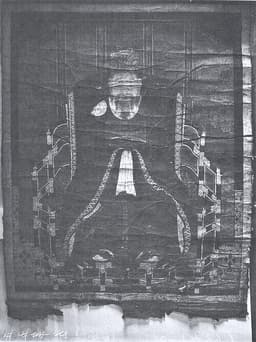
King Gongmin
Emperor · Medieval
57.3Total
Basic Information
Born
811
1330
Died
886
1374
Era
Medieval
Medieval
Nationality
Byzantine Empire
Korea
Occupation
Emperor
Emperor
Civilization
Western
Eastern
Score Comparison
Military (10%)
60.0
46.7
Political (20%)
72.0
72.0
Influence (20%)
56.7
60.0
Legacy (20%)
52.0
50.0
Leadership (15%)
72.0
72.0
Strategy (15%)
50.0
35.0
TOTAL
59.8
57.3
Basil I — Complete Timeline
867 AD
Assassination of Michael IIIPolitical Action◆ Major
Basil I, a co-emperor under Michael III, orchestrated the murder of Michael in his palace. Basil then became sole emperor, founding the Macedonian dynasty. This act ended the Amorian dynasty and initiated a period of Byzantine resurgence.
AssassinationMacedonian DynastyCoup
Impact: nationaldestructive
876 AD
Reconquest of Southern ItalyWar
Basil I launched a campaign against the Arabs in southern Italy, capturing the city of Bari and establishing the Theme of Longobardia. This restored Byzantine control over parts of Italy and strengthened the empire's position in the Mediterranean.
ReconquestItalyArabs
Impact: regionalconstructive
879 AD
Legal Reforms: Prochiron and EpanagogeReform
Basil I commissioned the Prochiron, a legal manual, and the Epanagoge, a revised law code. These works aimed to simplify and update Roman law, replacing the earlier Ekloga and reinforcing the emperor's authority. They influenced later Byzantine legal development.
Legal ReformByzantine LawMacedonian Renaissance
Impact: nationalconstructive
King Gongmin — Complete Timeline
1356 AD
Reclamation of Northern TerritoriesWar◆ Major
Gongmin launched military campaigns to reclaim northern territories that had been ceded to the Yuan dynasty. Goryeo forces recaptured the Ssangseong and Dongnyeong regions, restoring the kingdom's traditional borders.
Territorial RecoveryMilitary CampaignExpansion
Impact: regionalconstructive
Expulsion of Mongol OfficialsPolitical Action
King Gongmin expelled Mongol officials and military personnel from Goryeo, ending the Yuan dynasty's direct control over the kingdom. He abolished the Mongol-style administrative offices and reasserted Goryeo's sovereignty.
IndependenceAnti-MongolSovereignty
Impact: nationalprogressive
1360 AD
Promotion of Anti-Mongol ReformsReform◆ Major
Gongmin implemented a series of reforms to eliminate Mongol influence, including restoring Korean names for government offices, reviving Confucian rituals, and promoting native Korean culture. These reforms strengthened national identity.
Cultural RevivalConfucian ReformNationalism
Impact: nationalprogressive
1365 AD
Assassination of Queen NogukOther◆ Major
Queen Noguk, Gongmin's Mongol wife and close advisor, died under mysterious circumstances, possibly by poisoning. Her death deeply affected Gongmin, leading to his increasing paranoia and erratic behavior in later years.
AssassinationRoyal FamilyPersonal Tragedy
Impact: nationaltragic
1374 AD
Assassination of King GongminPolitical Action◆ Major
King Gongmin was assassinated by his eunuchs and close aides, possibly with the involvement of pro-Mongol factions. His death ended the reform era and led to a period of political instability in Goryeo.
AssassinationRegicidePolitical Instability
Impact: nationaltragic
Expert Analysis
Origins
Basil I was born into a peasant family in the Byzantine Empire around 811 AD, in the province of Macedonia. His early life was marked by humble beginnings; he worked as a groom and later as a servant for a wealthy nobleman. His physical strength and charisma caught the attention of Michael III, who brought him to court. Basil's rise from obscurity to emperor is a testament to his ambition and political acumen.
King Gongmin was born in 1330 as the second son of King Chungsuk of Goryeo. He was raised during a period of heavy Mongol domination, as Goryeo was a vassal state of the Yuan dynasty. He spent part of his youth in the Yuan court as a hostage, which exposed him to Mongol culture and politics. His marriage to the Mongol princess Noguk was arranged to solidify ties between Goryeo and the Yuan.
Rise to Power
Basil I's rise began when he became a protégé of Michael III. He was appointed co-emperor in 866 AD after demonstrating loyalty and military prowess. In 867, Basil orchestrated the assassination of Michael III, seizing sole power. This act founded the Macedonian dynasty, which would last for nearly two centuries.
King Gongmin ascended the throne in 1351 after his father's death. Initially, he maintained a cooperative stance with the Yuan dynasty. However, as the Yuan began to weaken due to internal rebellions and the rise of the Ming dynasty, Gongmin saw an opportunity. In 1356, he expelled Mongol officials and military personnel from Goryeo, reclaiming sovereignty.
Leadership & Governance
Basil I focused on legal reforms and administrative consolidation. He commissioned the Prochiron and the Epanagoge, which aimed to simplify Roman law and replace the outdated Justinian Code. These legal texts standardized judicial procedures and reinforced imperial authority. Basil also strengthened the theme system, improving provincial governance.
King Gongmin pursued a policy of Sinicization and anti-Mongol reforms. He restored Korean names for government offices, revived Confucian rituals, and promoted the use of the Chinese language. He also reclaimed northern territories, such as Ssangseong and Dongnyeong, through military campaigns. However, his reforms faced resistance from pro-Mongol factions and were often inconsistent.
Triumph & Tragedy
Basil I's greatest success was the reconquest of Southern Italy. In 876, his forces captured Bari from the Arabs, establishing the Theme of Longobardia. This restored Byzantine influence in the region. His legal reforms also left a lasting impact on Byzantine jurisprudence. However, his reign was marred by the assassination of Michael III, which stained his legacy. Basil died in 886 from a hunting accident, leaving a mixed record.
King Gongmin's triumph was the expulsion of Mongol officials in 1356, which ended a century of Yuan dominance over Goryeo. He also reclaimed northern territories and promoted cultural revival. However, his later years were tragic: the death of Queen Noguk in 1365 led to his mental decline, and he became paranoid and erratic. He was assassinated in 1374 by his eunuchs, likely with pro-Mongol involvement, ending his reform era.
Character & Destiny
Basil I was pragmatic and ambitious, often ruthless in pursuing power. His ability to navigate court politics and eliminate rivals was key to his success. However, his reliance on violence to achieve his goals created a legacy of usurpation. Historians note that his legal reforms were genuine attempts to improve governance, but his methods were questionable.
King Gongmin was idealistic and determined to restore Goryeo's independence. His early reign showed strong leadership and strategic vision. However, his personal tragedy—the loss of his wife—led to a decline in his mental health and decision-making. His assassination was a direct result of his isolation and failure to secure loyal support.
Legacy
Basil I's legacy is the founding of the Macedonian dynasty, which oversaw a cultural and military renaissance in Byzantium. His legal codes influenced later Byzantine law. His military campaigns in Italy reasserted Byzantine power in the West. In the overall assessment, Basil I scores 59.8, with military 60.0, political 72.0, influence 56.7, legacy 52.0, leadership 72.0, and strategy 50.0.
King Gongmin's legacy is mixed. He is remembered as a reformer who briefly freed Goryeo from Mongol control, but his later failures and assassination allowed pro-Mongol factions to regain influence. His reforms were largely reversed after his death. His overall score is 57.3, with military 46.7, political 72.0, influence 60.0, legacy 50.0, leadership 72.0, and strategy 35.0.
Conclusion
Basil I had a greater impact than King Gongmin. Despite the narrow score gap of 2.5 points, Basil's founding of a long-lasting dynasty and his legal reforms shaped Byzantine history for centuries. King Gongmin's reforms were bold but short-lived, and his inability to secure a lasting legacy leaves him behind. Basil I's political and strategic achievements, though marred by his rise through murder, ultimately created a more enduring foundation. Thus, Basil I emerges as the more significant historical figure.
Rankings
🥇
Basil ILeader
Mil: 60.0Pol: 72.0Inf: 56.7
59.8
🥈
King Gongmin
Mil: 46.7Pol: 72.0Inf: 60.0
57.3
+2.5 behind
How This Comparison Works
Algorithm
Each figure is scored on 6 dimensions (0—100 scale) based on structured historical data: Military (10%), Political (20%), Influence (20%), Legacy (20%), Leadership (15%), Strategy (15%). The weighted total produces the final ranking.
Data Sources
Scores are computed from structured sub-indicators in the database. Scale factors adjust for era (Ancient ×0.85, Modern ×1.0) and civilization size (Eastern ×1.05, Other ×0.80) to account for differences in population and military scale.
Maximum 3 Figures
Comparisons are limited to 2—3 figures to ensure readability and statistical meaningfulness.
Error Margins
±5 points per dimension — Sub-scores are derived from historical records with inherent uncertainty. Two figures within 5 points on a dimension should be considered roughly equivalent in that area.
Total Score Accuracy
±3 points overall — The weighted combination of 6 dimensions produces a total score with approximately ±3 points of uncertainty. Differences of less than 3 points are not statistically significant— the figures are effectively tied.
Known Limitations
- Historical records are incomplete and uneven across civilizations
- Figures from oral-tradition societies may be underrepresented
- Occupation labels can misclassify multi-role figures
- Scores measure capability and impact, not moral character
- Quantitative scoring is a comparison tool, not absolute truth
Capability Radar
Military (10%) — Battles & Warfare
Battles
55
35
Win Rate
60
40
Expansion
55
20
Political (20%) — Governance & Reform
Reform
70
70
Diplomacy
65
65
Economy
70
55
Influence (20%) — Cultural & Global Reach
Cultural
60
50
Global
55
30
Legacy (20%) — Historical Impact
Historical
70
55
Longevity
65
40
Leadership (15%) — Power & Stability
Tenure
75
60
Stability
65
40
Strategy (15%) — Tactics & Innovation
Strategy
55
25
Tactics
50
30
Reform
60
45
Similar Comparisons
Comments & Discussion
No comments yet. Be the first to share your thoughts!