Loading...
Ashikaga Yoshinori vs Peter the Cruel
Ashikaga Yoshinori leads by 3.0 pts · 2 figures compared
…
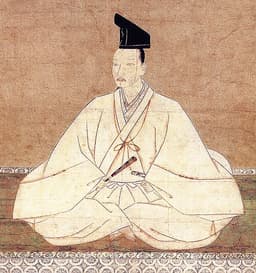
Ashikaga Yoshinori
Emperor · Medieval
45.3Total
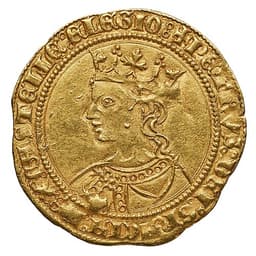
Peter the Cruel
Emperor · Medieval
42.3Total
Basic Information
Born
1394
1334
Died
1441
1369
Era
Medieval
Medieval
Nationality
Japan
Castile
Occupation
Emperor
Emperor
Civilization
Eastern
Western
Score Comparison
Military (10%)
50.0
40.0
Political (20%)
35.1
30.7
Influence (20%)
51.0
47.9
Legacy (20%)
43.3
41.7
Leadership (15%)
48.4
45.0
Strategy (15%)
41.7
45.0
TOTAL
45.3
42.3
Ashikaga Yoshinori — Complete Timeline
1429 AD
Appointment as Sixth ShogunPolitical Action◆ Major
Ashikaga Yoshinori became the sixth shogun of the Ashikaga shogunate after the death of his brother Ashikaga Yoshikazu. He inherited a shogunate weakened by factional strife and sought to restore its authority.
AppointmentShogunAshikaga Shogunate
Impact: national
1438 AD
Suppression of the Eikyō RebellionWar◆ Major
Yoshinori suppressed the Eiky
RebellionSuppressionKantō Region
Impact: regionaldestructive
1441 AD
Assassination by Akamatsu MitsusukePolitical Action
Ashikaga Yoshinori was assassinated by Akamatsu Mitsusuke during a banquet in Kyoto. His death triggered the Kakitsu Rebellion and led to a period of instability in the Ashikaga shogunate, contributing to the eventual decline of central authority.
AssassinationKakitsu RebellionShogunate Decline
Impact: nationaltragic
Peter the Cruel — Complete Timeline
1351 AD
First Castilian Civil War BeginsWar◆ Major
Peter I's conflict with his half-brother Henry of Trastamara escalated into a full-scale civil war. The war divided Castile between supporters of Peter and Henry, with involvement from France and England as part of the Hundred Years' War.
Civil WarCastileTrastamara
Impact: nationaldestructive
1366 AD
Alliance with Edward the Black PrincePolitical Action◆ Major
Peter I formed an alliance with Edward the Black Prince of England, who led an army into Castile to restore Peter to the throne after he was deposed by Henry. The alliance brought English military support but at a high financial cost.
AllianceEnglandCastile
Impact: regional
1367 AD
Battle of NájeraWar◆ Major
Peter I and Edward the Black Prince defeated Henry of Trastamara's Franco-Castilian army at the Battle of N
BattleCivil WarCastile
Impact: regional
1369 AD
Murder by Henry of TrastamaraPolitical Action◆ Major
Peter I was captured and killed by his half-brother Henry of Trastamara after the Battle of Montiel. Henry personally stabbed Peter to death, ending the civil war and establishing the Trastamara dynasty in Castile.
MurderCivil WarTrastamara
Impact: nationaltragic
Expert Analysis
Origins
Ashikaga Yoshinori was born in 1394 into the Ashikaga clan, the ruling shogunal family of Japan. He was the son of the third shogun Ashikaga Yoshimitsu, who had consolidated shogunal power. Yoshinori's early life was marked by his entry into the priesthood, a common path for younger sons of the aristocracy. He became a monk at the Shōkoku-ji temple, where he received a religious education. This background set him apart from his warrior brothers, but he was later recalled to secular life.
Peter the Cruel, born in 1334 in Burgos, Castile, was the only surviving son of King Alfonso XI of Castile and Maria of Portugal. His father died when he was young, and he ascended the throne at age 16. His mother acted as regent, but the kingdom was dominated by his father's mistress, Eleanor de Guzmán, and her children, especially Henry of Trastámara. This family conflict shaped Peter's reign from the start.
Rise to Power
Yoshinori's rise was unexpected. After the death of his brother, the fifth shogun Ashikaga Yoshikazu, in 1425, the shogunate needed a successor. Yoshinori was called from his monastic life and appointed as the sixth shogun in 1428. He inherited a weakened shogunate, with the Kantō region under the control of the Kantō kubō, Ashikaga Mochiuji, who acted independently. Yoshinori moved quickly to assert authority.
Peter became king at age 16 upon his father's death in 1350. His reign was immediately challenged by his half-brothers, who had been favored by Alfonso XI. Peter's mother and her allies sought to eliminate the Trastámara faction. In 1351, Peter ordered the execution of his father's mistress, Eleanor de Guzmán, intensifying the feud. Henry of Trastámara fled to France and began plotting rebellion, leading to the First Castilian Civil War in 1356.
Leadership & Governance
Yoshinori's leadership style was authoritarian. He sought to centralize power and reduce the influence of regional military governors (shugo). He intervened directly in succession disputes and confiscated lands from disobedient vassals. His suppression of the Eikyō Rebellion in 1438 against Ashikaga Mochiuji was a decisive victory: he defeated Mochiuji's forces and forced him to commit suicide, reasserting shogunal control over the Kantō. However, his heavy-handed tactics alienated powerful families like the Akamatsu clan.
Peter's governance was marked by his reliance on Jewish and Muslim officials, which earned him the enmity of the nobility and the Church. He promoted economic development and strengthened royal justice, but his arbitrary executions and favoritism toward his mistress, María de Padilla, created enemies. He alienated his wife, Blanche of Bourbon, whom he imprisoned, leading to a break with France. His political score of 30.7 reflects his inability to maintain stable alliances.
Triumph & Tragedy
Yoshinori's greatest triumph was the suppression of the Eikyō Rebellion, which restored central authority for a time. He also conducted diplomatic missions with Korea and the Ryukyu Islands. However, his tragedy was his assassination in 1441: during a banquet, Akamatsu Mitsusuke and his men attacked and killed him. This event, known as the Kakitsu Incident, triggered the Kakitsu Rebellion and threw the shogunate into chaos. His military score of 50.0 indicates moderate success in warfare, but his leadership score of 48.4 was undermined by his inability to secure loyalty.
Peter's triumph was his temporary restoration after the Battle of Nájera in 1367, where his ally Edward the Black Prince defeated Henry's army. Peter was restored to the throne, but his subsequent behavior alienated the Black Prince, who withdrew. His tragedy came at the Battle of Montiel in 1369, where he was captured and killed by his half-brother Henry. Peter's political score of 30.7 and leadership of 45.0 highlight his strategic shortcomings.
Character & Destiny
Yoshinori was known for his decisiveness and ambition, but also for his cruelty and suspicion. He executed several daimyo on flimsy charges, creating a climate of fear. His character directly led to his downfall: his disrespect toward Akamatsu Mitsusuke during a ceremony motivated the assassination. Historical assessments note that his strong will could have strengthened the shogunate, but his methods backfired.
Peter's character was similarly ruthless. He earned the epithet "the Cruel" for his numerous executions, including those of his half-brothers' supporters and his wife. He was also capable of charm and patronage of the arts, but his paranoia and vengefulness alienated allies. His destiny was shaped by the Trastámara feud; his half-brother Henry was determined to destroy him. Peter's influence score of 47.9 reflects his impact on Castilian history.
Legacy
Yoshinori's legacy is mixed. He is remembered as a strong shogun who attempted to restore central authority, but his assassination weakened the Ashikaga shogunate irreparably. The Kakitsu Rebellion marked the beginning of the Sengoku period, a century of civil war. His legacy score of 43.3 reflects his role as a catalyst for decline rather than a builder.
Peter's legacy is also controversial. He is vilified as a tyrant in Castilian historiography, but some modern scholars view him as a reformer who challenged the aristocracy. His conflict with Henry led to the establishment of the Trastámara dynasty, which ruled Castile for centuries. His legacy score of 41.7 is slightly lower than Yoshinori's, but his influence on Spanish history is significant.
Conclusion
Both figures were flawed rulers who met violent ends, but Ashikaga Yoshinori had a greater impact on the course of Japanese history. His actions directly precipitated the Kakitsu Rebellion, which accelerated the shogunate's decline and the onset of the Warring States period. Peter's civil war, while destructive, did not fundamentally alter Castile's trajectory; the Trastámara dynasty continued his half-brother's line. With a total score of 45.3 against Peter's 42.3, Yoshinori's influence on his nation's history was more profound. His leadership score of 48.4 and political score of 35.1, while low, were sufficient to trigger a major transformation. Peter's higher influence score of 47.9 is offset by his lower legacy and political scores. Thus, Ashikaga Yoshinori emerges as the more historically significant figure.
Rankings
🥇
Ashikaga YoshinoriLeader
Mil: 50.0Pol: 35.1Inf: 51.0
45.3
🥈
Peter the Cruel
Mil: 40.0Pol: 30.7Inf: 47.9
42.3
+3.0 behind
How This Comparison Works
Algorithm
Each figure is scored on 6 dimensions (0—100 scale) based on structured historical data: Military (10%), Political (20%), Influence (20%), Legacy (20%), Leadership (15%), Strategy (15%). The weighted total produces the final ranking.
Data Sources
Scores are computed from structured sub-indicators in the database. Scale factors adjust for era (Ancient ×0.85, Modern ×1.0) and civilization size (Eastern ×1.05, Other ×0.80) to account for differences in population and military scale.
Maximum 3 Figures
Comparisons are limited to 2—3 figures to ensure readability and statistical meaningfulness.
Error Margins
±5 points per dimension — Sub-scores are derived from historical records with inherent uncertainty. Two figures within 5 points on a dimension should be considered roughly equivalent in that area.
Total Score Accuracy
±3 points overall — The weighted combination of 6 dimensions produces a total score with approximately ±3 points of uncertainty. Differences of less than 3 points are not statistically significant— the figures are effectively tied.
Known Limitations
- Historical records are incomplete and uneven across civilizations
- Figures from oral-tradition societies may be underrepresented
- Occupation labels can misclassify multi-role figures
- Scores measure capability and impact, not moral character
- Quantitative scoring is a comparison tool, not absolute truth
Capability Radar
Military (10%) — Battles & Warfare
Battles
15
45
Win Rate
10
40
Expansion
20
25
Political (20%) — Governance & Reform
Reform
35
15
Diplomacy
30
10
Economy
25
10
Influence (20%) — Cultural & Global Reach
Cultural
30
15
Global
15
10
Legacy (20%) — Historical Impact
Historical
35
30
Longevity
25
20
Leadership (15%) — Power & Stability
Tenure
40
50
Stability
20
5
Strategy (15%) — Tactics & Innovation
Strategy
25
30
Tactics
20
35
Reform
30
20
Similar Comparisons
Comments & Discussion
No comments yet. Be the first to share your thoughts!