Loading...
Alexander I of Yugoslavia vs Manco Inca Yupanqui
Manco Inca Yupanqui leads by 2.8 pts · 2 figures compared
…
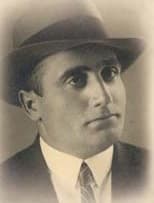
Alexander I of Yugoslavia
Emperor · Modern
51.4Total

Manco Inca Yupanqui
Emperor · Modern
54.2Total
Basic Information
Born
1888
1516
Died
1934
1544
Era
Modern
Modern
Nationality
Yugoslavia
Inca Empire
Occupation
Emperor
Emperor
Civilization
Western
Other
Score Comparison
Military (10%)
22.6
20.0
Political (20%)
68.0
45.1
Influence (20%)
53.3
61.0
Legacy (20%)
42.5
54.0
Leadership (15%)
74.0
67.0
Strategy (15%)
38.6
66.3
TOTAL
51.4
54.2
Alexander I of Yugoslavia — Complete Timeline
1928 AD
Assassination of Stjepan RadićPolitical Action◆ Major
During a parliamentary session in Belgrade, Montenegrin deputy Puni
AssassinationParliamentary CrisisCroat-Serb Conflict
Impact: nationaltragic
1929 AD
Proclamation of the January 6 DictatorshipPolitical Action◆ Major
Alexander I abolished the Vidovdan Constitution, dissolved parliament, and established a royal dictatorship. He renamed the country the Kingdom of Yugoslavia and sought to centralize power, suppress ethnic nationalism, and impose a unified Yugoslav identity, which intensified ethnic tensions.
DictatorshipCentralizationYugoslavia
Impact: nationaldestructive
Creation of the Kingdom of YugoslaviaPolitical Action◆ Major
Alexander I officially renamed the Kingdom of Serbs, Croats, and Slovenes to the Kingdom of Yugoslavia on October 3, 1929. This was part of his effort to promote national unity and centralize the state, but it failed to resolve deep ethnic divisions.
State FormationNational IdentityYugoslavia
Impact: national
1934 AD
Assassination in MarseillePolitical Action◆ Major
Alexander I was assassinated in Marseille, France, by Vlado Chernozemski, a member of the Internal Macedonian Revolutionary Organization. The assassination, which also killed French Foreign Minister Louis Barthou, destabilized the Balkan region and contributed to rising tensions before World War II.
AssassinationBalkan PoliticsInterwar Period
Impact: regionaltragic
Manco Inca Yupanqui — Complete Timeline
1533 AD
Coronation as Sapa IncaPolitical Action◆ Major
Manco Inca Yupanqui was crowned as Sapa Inca by Francisco Pizarro after the execution of Atahualpa. Initially a Spanish puppet, Manco was installed to legitimize Spanish rule and control the Inca population through a compliant emperor.
CoronationSpanish PuppetInca Empire
Impact: regional
1536 AD
Siege of CuscoWar◆ Major
Manco Inca led a massive army of approximately 100,000 warriors in a siege of Cusco, trapping Spanish forces inside the city. The siege lasted several months but failed due to Spanish reinforcements and Inca tactical limitations, forcing Manco to retreat.
SiegeInca RebellionSpanish Conquest
Impact: regional
Escape from CuscoPolitical Action◆ Major
Manco Inca escaped Spanish custody in Cusco after suffering mistreatment and humiliation. He fled to the Urubamba Valley, where he began organizing a rebellion against Spanish rule, rallying Inca nobles and warriors to his cause.
EscapeRebellionInca Resistance
Impact: regional
1537 AD
Establishment of VilcabambaPolitical Action◆ Major
Manco Inca established the Neo-Inca State at Vilcabamba, a remote jungle region northwest of Cusco. This independent Inca kingdom resisted Spanish control for decades, preserving Inca traditions and governance while conducting guerrilla warfare.
Neo-Inca StateResistanceVilcabamba
Impact: regionalconstructive
1544 AD
Assassination by Spanish RefugeesPolitical Action◆ Major
Manco Inca was assassinated by Spanish refugees who had sought shelter in Vilcabamba. The refugees, former supporters of Diego de Almagro, killed Manco during a game, ending his rebellion and destabilizing the Neo-Inca State.
AssassinationSpanish RefugeesInca Resistance
Impact: regionaltragic
Expert Analysis
Origins
**Alexander I of Yugoslavia** was born on December 16, 1888, in Cetinje, Montenegro, the second son of King Peter I of Serbia. Raised in the Karađorđević dynasty, he received military education in Switzerland and Russia, graduating from the Imperial Page Corps in St. Petersburg. His upbringing was steeped in Serbian nationalism and the trauma of his father's exile after the 1903 May Coup, which brought the dynasty to power. Alexander served with distinction in the Balkan Wars and World War I, commanding Serbian forces during the retreat through Albania. His formative experiences were defined by war, exile, and the struggle for Serbian unification.
**Manco Inca Yupanqui** was born around 1516 in Cusco, Peru, a son of the Inca emperor Huayna Capac. After Huayna Capac's death in 1527, a civil war erupted between his sons Atahualpa and Huáscar, in which Manco remained largely peripheral. He was likely educated in Inca traditions and governance, but his youth was overshadowed by the Spanish arrival in 1532. Following Atahualpa's execution in 1533, Francisco Pizarro needed a puppet Inca to legitimize Spanish rule. Manco, as a surviving son of Huayna Capac, was crowned Sapa Inca in 1534 under Spanish control. His early life thus combined Inca nobility with subjugation to foreign conquerors.
Rise to Power
Alexander I rose to power through family tragedy and political maneuvering. His elder brother, Crown Prince George, was forced to renounce his claim in 1909 after a scandal involving the death of a servant. Alexander became heir and, after his father's death in 1921, ascended the throne as King of the Serbs, Croats, and Slovenes. His early reign was marked by political instability, with ethnic tensions between Serbs, Croats, and Slovenes paralyzing parliament. The assassination of Croatian leader Stjepan Radić in 1928 during a parliamentary session deepened the crisis. On January 6, 1929, Alexander abolished the constitution, dissolved parliament, and established a royal dictatorship, renaming the country the Kingdom of Yugoslavia. This move, known as the January 6 Dictatorship, centralized power in his hands and aimed to forge a unified Yugoslav identity.
Manco Inca's rise was initially as a Spanish puppet. After Atahualpa's execution, Pizarro needed a compliant Inca to control the native population. Manco, then about 18, was crowned Sapa Inca in 1534 with Spanish support. He was forced to participate in Spanish rituals and provide labor and tribute. However, resentment grew as Spanish conquistadors abused their power, humiliating Manco and demanding gold. In 1535, after being chained and publicly degraded, Manco escaped Spanish custody in Cusco. He fled to the Urubamba Valley, where he rallied Inca nobles and raised an army. By 1536, he had amassed a force of perhaps 100,000 warriors and launched a massive rebellion against Spanish rule.
Leadership & Governance
Alexander I governed through authoritarian centralization. His royal dictatorship suppressed political parties, censored the press, and imposed a single Yugoslav identity, banning ethnic symbols and names. He divided the country into banovinas (provinces) deliberately drawn to cut across ethnic lines. His leadership scored 74.0 in leadership, reflecting his decisive but heavy-handed approach. He sought to modernize the economy, building infrastructure and promoting industry, but his policies alienated Croats and other minorities. His political score of 68.0 indicates his ability to maintain control, but his strategy score of 38.6 shows a lack of long-term planning, as his dictatorship failed to resolve ethnic tensions and instead fueled resentment.
Manco Inca's governance was a blend of Inca tradition and wartime leadership. After establishing the Neo-Inca State at Vilcabamba, he organized a government-in-exile, maintaining Inca rituals and hierarchy. He commanded the siege of Cusco in 1536, nearly recapturing the capital, but his forces were ultimately repelled due to Spanish reinforcements and cavalry. His leadership score of 67.0 reflects his ability to unite disparate Inca factions, while his strategy score of 66.3 shows tactical acumen in guerrilla warfare. He built alliances with other indigenous groups and used the difficult terrain of the Andes to his advantage. However, his political score of 45.1 indicates limited ability to govern beyond rebellion, as his state was primarily a military resistance.
Triumph & Tragedy
Alexander I's greatest triumph was the creation of Yugoslavia as a unified state, which endured until 1941 and later as socialist Yugoslavia. He also secured international recognition and strengthened the military. However, his greatest failure was his dictatorial suppression of ethnic identities, which exacerbated the very divisions he sought to erase. The assassination of Stjepan Radić and the January 6 Dictatorship turned many Croats against the monarchy. His assassination in Marseille in 1934 by a Macedonian revolutionary exposed the fragility of his state. His military score of 22.6 reflects limited direct military achievement.
Manco Inca's triumph was the establishment of the Neo-Inca State at Vilcabamba, which resisted Spanish conquest for over 30 years after his death. His siege of Cusco was a remarkable feat, bringing Spanish rule to the brink of collapse. However, his tragedy was his assassination in 1544 by Spanish refugees who had sought shelter in Vilcabamba. The refugees, former supporters of Diego de Almagro, killed Manco in a quarrel, ending his rebellion. His state continued under his sons, but the loss of his leadership weakened the resistance. His military score of 20.0 seems low given his achievements, but it reflects his ultimate failure to expel the Spanish.
Character & Destiny
Alexander I was a determined, authoritarian figure who believed in centralized power as the only solution to ethnic strife. His character was shaped by his military background and the chaos of the Balkan Wars. He was known for his personal bravery and dedication to Yugoslav unity, but his rigidity and intolerance of dissent alienated many. His destiny was sealed by the assassination, which cut short his reign and left Yugoslavia vulnerable to World War II. Historical assessments often view him as a well-meaning but misguided autocrat.
Manco Inca was a resilient and adaptive leader who transitioned from puppet to rebel. His character combined Inca nobility with a fierce desire for freedom. He was pragmatic, using Spanish support initially, then turning against them when mistreated. His decision to flee Cusco and raise an army showed boldness. However, his trust in Spanish refugees proved fatal. His destiny was to be a symbol of resistance, even as his rebellion failed. Historians see him as a tragic figure who nearly succeeded but was undone by betrayal.
Legacy
Alexander I's legacy is mixed. He is remembered as the founder of Yugoslavia, but his dictatorship set a precedent for authoritarian rule and failed to resolve ethnic tensions. His assassination triggered a European crisis and highlighted the instability of the Balkans. His scores: legacy 42.5, influence 53.3. The Yugoslav state he created collapsed in 1941 and again in 1991, but the idea of Yugoslav unity persisted. He is honored in Serbia but criticized in Croatia.
Manco Inca's legacy is as a symbol of indigenous resistance. The Neo-Inca State at Vilcabamba became a mythic refuge, and his rebellion inspired later anti-colonial movements. His scores: legacy 54.0, influence 61.0. He is revered in Peru as a national hero, and Vilcabamba is a UNESCO World Heritage site. His struggle highlighted the brutality of Spanish conquest and the resilience of Inca culture.
Conclusion
While Alexander I scored higher in political and leadership metrics (68.0 and 74.0 vs Manco's 45.1 and 67.0), Manco Inca had greater long-term impact as a symbol of resistance (legacy 54.0 vs 42.5, influence 61.0 vs 53.3). Alexander's authoritarianism ultimately failed to create a stable state, while Manco's rebellion, though unsuccessful, inspired generations and preserved Inca identity. Manco Inca Yupanqui edges ahead in overall score (54.2 vs 51.4) and in strategic vision (66.3 vs 38.6). Therefore, Manco Inca Yupanqui had greater historical impact by challenging colonial domination and leaving a lasting legacy of indigenous defiance.
Rankings
🥇
Manco Inca YupanquiLeader
Mil: 20.0Pol: 45.1Inf: 61.0
54.2
🥈
Alexander I of Yugoslavia
Mil: 22.6Pol: 68.0Inf: 53.3
51.4
+2.8 behind
How This Comparison Works
Algorithm
Each figure is scored on 6 dimensions (0—100 scale) based on structured historical data: Military (10%), Political (20%), Influence (20%), Legacy (20%), Leadership (15%), Strategy (15%). The weighted total produces the final ranking.
Data Sources
Scores are computed from structured sub-indicators in the database. Scale factors adjust for era (Ancient ×0.85, Modern ×1.0) and civilization size (Eastern ×1.05, Other ×0.80) to account for differences in population and military scale.
Maximum 3 Figures
Comparisons are limited to 2—3 figures to ensure readability and statistical meaningfulness.
Error Margins
±5 points per dimension — Sub-scores are derived from historical records with inherent uncertainty. Two figures within 5 points on a dimension should be considered roughly equivalent in that area.
Total Score Accuracy
±3 points overall — The weighted combination of 6 dimensions produces a total score with approximately ±3 points of uncertainty. Differences of less than 3 points are not statistically significant— the figures are effectively tied.
Known Limitations
- Historical records are incomplete and uneven across civilizations
- Figures from oral-tradition societies may be underrepresented
- Occupation labels can misclassify multi-role figures
- Scores measure capability and impact, not moral character
- Quantitative scoring is a comparison tool, not absolute truth
Capability Radar
Military (10%) — Battles & Warfare
Battles
15
55
Win Rate
10
40
Expansion
10
30
Political (20%) — Governance & Reform
Reform
60
40
Diplomacy
50
35
Economy
40
20
Influence (20%) — Cultural & Global Reach
Cultural
30
50
Global
30
45
Legacy (20%) — Historical Impact
Historical
40
60
Longevity
25
55
Leadership (15%) — Power & Stability
Tenure
55
45
Stability
30
25
Strategy (15%) — Tactics & Innovation
Strategy
25
65
Tactics
20
60
Reform
30
50
Similar Comparisons
Comments & Discussion
No comments yet. Be the first to share your thoughts!