Loading...
This comparison has not been analyzed yet.
One-time AI generation (~1 minute). Scores and timeline are already available below.
Al-Muayyad Shaykh vs Topa Inca Yupanqui
Topa Inca Yupanqui leads by 13.9 pts · 2 figures compared
…
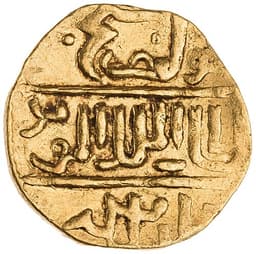
Al-Muayyad Shaykh
Emperor · Medieval
48.6Total

Topa Inca Yupanqui
Emperor · Medieval
62.5Total
Basic Information
Born
1369
1441
Died
1421
1493
Era
Medieval
Medieval
Nationality
Egypt
Inca Empire
Occupation
Emperor
Emperor
Civilization
Middle Eastern
Other
Score Comparison
Military (10%)
20.0
78.5
Political (20%)
48.0
55.0
Influence (20%)
52.5
58.3
Legacy (20%)
42.5
52.0
Leadership (15%)
64.0
80.0
Strategy (15%)
60.0
68.0
TOTAL
48.6
62.5
Al-Muayyad Shaykh — Complete Timeline
1412 AD
Suppression of the Revolt of the Emir of AleppoWar◆ Major
Al-Muayyad Shaykh led a military campaign to suppress the revolt of the Emir of Aleppo, who had rebelled against Mamluk authority. The campaign successfully restored control over the Syrian province, consolidating Shaykh's rule.
Mamluk SultanateRevoltSyria
Impact: regional
1414 AD
Suppression of the Revolt of the Emir of DamascusWar◆ Major
Al-Muayyad Shaykh suppressed a revolt led by the Emir of Damascus, who had declared independence. The sultan's forces besieged Damascus, defeated the rebels, and executed the emir, reasserting central control.
Mamluk SultanateRevoltDamascus
Impact: regional
1417 AD
Campaign against the Aq QoyunluWar◆ Major
Al-Muayyad Shaykh launched a military expedition against the Aq Qoyunlu confederation in eastern Anatolia. The campaign aimed to secure Mamluk borders and prevent Turkmen incursions, resulting in a Mamluk victory.
Mamluk SultanateAq QoyunluAnatolia
Impact: regional
Topa Inca Yupanqui — Complete Timeline
1463 AD
Expanded the Inca Empire into Modern-Day Ecuador and ColombiaWar◆ Major
Topa Inca Yupanqui led military campaigns that extended Inca control into the northern highlands of Ecuador and southern Colombia, conquering the Ca
Inca ExpansionMilitary CampaignNorthern Conquest
Impact: regional
1470 AD
Conquered the Chimú EmpireWar
Topa Inca Yupanqui defeated the Chim
Inca ExpansionChimú ConquestMilitary Victory
Impact: regional
Constructed the Fortress of SacsayhuamánCultural◆ Major
Topa Inca Yupanqui oversaw the construction of Sacsayhuam
ArchitectureFortificationInca Engineering
Impact: regionalconstructive
1475 AD
Established the Inca Province of CollasuyuWar◆ Major
Topa Inca Yupanqui led campaigns into the Altiplano region of Bolivia and northern Argentina, conquering the Colla and Lupaca peoples. He established the province of Collasuyu, incorporating Lake Titicaca and its resources into the empire.
Inca ExpansionSouthern CampaignProvince
Impact: regional
This comparison has not been analyzed yet.
One-time AI generation (~1 minute). Scores and timeline are already available below.
Rankings
🥇
Topa Inca YupanquiLeader
Mil: 78.5Pol: 55.0Inf: 58.3
62.5
🥈
Al-Muayyad Shaykh
Mil: 20.0Pol: 48.0Inf: 52.5
48.6
+13.9 behind
How This Comparison Works
Algorithm
Each figure is scored on 6 dimensions (0—100 scale) based on structured historical data: Military (10%), Political (20%), Influence (20%), Legacy (20%), Leadership (15%), Strategy (15%). The weighted total produces the final ranking.
Data Sources
Scores are computed from structured sub-indicators in the database. Scale factors adjust for era (Ancient ×0.85, Modern ×1.0) and civilization size (Eastern ×1.05, Other ×0.80) to account for differences in population and military scale.
Maximum 3 Figures
Comparisons are limited to 2—3 figures to ensure readability and statistical meaningfulness.
Error Margins
±5 points per dimension — Sub-scores are derived from historical records with inherent uncertainty. Two figures within 5 points on a dimension should be considered roughly equivalent in that area.
Total Score Accuracy
±3 points overall — The weighted combination of 6 dimensions produces a total score with approximately ±3 points of uncertainty. Differences of less than 3 points are not statistically significant— the figures are effectively tied.
Known Limitations
- Historical records are incomplete and uneven across civilizations
- Figures from oral-tradition societies may be underrepresented
- Occupation labels can misclassify multi-role figures
- Scores measure capability and impact, not moral character
- Quantitative scoring is a comparison tool, not absolute truth
Capability Radar
Military (10%) — Battles & Warfare
Battles
45
85
Win Rate
50
90
Expansion
30
90
Political (20%) — Governance & Reform
Reform
40
70
Diplomacy
50
75
Economy
45
70
Influence (20%) — Cultural & Global Reach
Cultural
30
65
Global
25
55
Legacy (20%) — Historical Impact
Historical
35
70
Longevity
20
60
Leadership (15%) — Power & Stability
Tenure
55
80
Stability
40
75
Strategy (15%) — Tactics & Innovation
Strategy
45
85
Tactics
40
80
Reform
35
75
Similar Comparisons
Comments & Discussion
No comments yet. Be the first to share your thoughts!