Loading...
This comparison has not been analyzed yet.
One-time AI generation (~1 minute). Scores and timeline are already available below.
Abu al-Khayr Khan vs Umar II
Umar II leads by 0.4 pts · 2 figures compared
…

Abu al-Khayr Khan
Emperor · Medieval
55.5Total
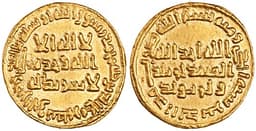
Umar II
Emperor · Medieval
55.9Total
Basic Information
Born
1412
682
Died
1468
720
Era
Medieval
Medieval
Nationality
Uzbek Khanate
Umayyad Caliphate
Occupation
Emperor
Emperor
Civilization
Eastern
Middle Eastern
Score Comparison
Military (10%)
67.5
10.2
Political (20%)
48.0
78.0
Influence (20%)
57.2
62.0
Legacy (20%)
50.0
56.0
Leadership (15%)
65.0
71.0
Strategy (15%)
50.0
30.3
TOTAL
55.5
55.9
Abu al-Khayr Khan — Complete Timeline
1428 AD
Formation of the Uzbek KhanatePolitical Action◆ Major
Abu al-Khayr Khan united various nomadic Turkic tribes in the steppe region, founding the Uzbek Khanate. This consolidation created a powerful political entity that would dominate Central Asia for decades, challenging the Timurid Empire and other neighboring states.
State FormationCentral AsiaUzbek Khanate
Impact: regionalconstructive
1446 AD
Battle of the Chir RiverWar◆ Major
Abu al-Khayr Khan defeated the Nogai Horde at the Chir River, securing control over the Syr Darya region. This victory expanded his territory and established Uzbek dominance over the steppe trade routes.
BattleNogai HordeTerritorial Expansion
Impact: regional
1451 AD
Conquest of KhwarezmWar◆ Major
Abu al-Khayr Khan captured the Khwarezm region from the Timurid ruler Abu Sa'id Mirza. This conquest brought the wealthy oasis cities under Uzbek control, significantly increasing the khanate's economic resources.
ConquestKhwarezmTimurid Empire
Impact: regional
1468 AD
Defeat by the Kazakh KhanateWar◆ Major
Abu al-Khayr Khan was killed in battle against the Kazakh Khanate led by Kerei and Janibek. This defeat ended his reign and led to the fragmentation of the Uzbek Khanate, with many tribes defecting to the Kazakhs.
BattleKazakh KhanateDeath
Impact: regionaltragic
Umar II — Complete Timeline
717 AD
Accession as CaliphPolitical Action◆ Major
Umar II became the Umayyad caliph after the death of Sulayman ibn Abd al-Malik. He is often considered the fifth 'Rashidun' (rightly guided) caliph due to his piety and reforms.
SuccessionCaliphate
Impact: global
718 AD
Withdrawal from the Siege of ConstantinopleWar◆ Major
Umar II ordered the withdrawal of Umayyad forces from the prolonged siege of Constantinople, which had failed to capture the city. This ended a major military campaign and saved resources.
SiegeConstantinopleWithdrawal
Impact: regional
Reforms in taxation and justiceReform◆ Major
Umar II implemented reforms that equalized tax treatment between Arab Muslims and non-Arab converts (mawali), abolished discriminatory taxes, and ensured fairer administration of justice. These reforms reduced social tensions.
Tax ReformJusticeEquality
Impact: globalprogressive
720 AD
Death and short reignOther
Umar II died after a reign of only three years, possibly poisoned. His short tenure was marked by significant reforms, and he was later remembered as a model of Islamic piety and justice.
DeathReignPiety
Impact: globaltragic
This comparison has not been analyzed yet.
One-time AI generation (~1 minute). Scores and timeline are already available below.
Rankings
🥇
Umar IILeader
Mil: 10.2Pol: 78.0Inf: 62.0
55.9
🥈
Abu al-Khayr Khan
Mil: 67.5Pol: 48.0Inf: 57.2
55.5
+0.4 behind
How This Comparison Works
Algorithm
Each figure is scored on 6 dimensions (0—100 scale) based on structured historical data: Military (10%), Political (20%), Influence (20%), Legacy (20%), Leadership (15%), Strategy (15%). The weighted total produces the final ranking.
Data Sources
Scores are computed from structured sub-indicators in the database. Scale factors adjust for era (Ancient ×0.85, Modern ×1.0) and civilization size (Eastern ×1.05, Other ×0.80) to account for differences in population and military scale.
Maximum 3 Figures
Comparisons are limited to 2—3 figures to ensure readability and statistical meaningfulness.
Error Margins
±5 points per dimension — Sub-scores are derived from historical records with inherent uncertainty. Two figures within 5 points on a dimension should be considered roughly equivalent in that area.
Total Score Accuracy
±3 points overall — The weighted combination of 6 dimensions produces a total score with approximately ±3 points of uncertainty. Differences of less than 3 points are not statistically significant— the figures are effectively tied.
Known Limitations
- Historical records are incomplete and uneven across civilizations
- Figures from oral-tradition societies may be underrepresented
- Occupation labels can misclassify multi-role figures
- Scores measure capability and impact, not moral character
- Quantitative scoring is a comparison tool, not absolute truth
Capability Radar
Military (10%) — Battles & Warfare
Battles
60
10
Win Rate
65
10
Expansion
65
5
Political (20%) — Governance & Reform
Reform
45
85
Diplomacy
50
70
Economy
40
75
Influence (20%) — Cultural & Global Reach
Cultural
40
60
Global
35
50
Legacy (20%) — Historical Impact
Historical
55
65
Longevity
50
55
Leadership (15%) — Power & Stability
Tenure
55
30
Stability
45
60
Strategy (15%) — Tactics & Innovation
Strategy
60
10
Tactics
55
10
Reform
50
20
Similar Comparisons
Comments & Discussion
No comments yet. Be the first to share your thoughts!