Loading...
Abbas I vs Edward VII
Abbas I leads by 25.3 pts · 2 figures compared
…
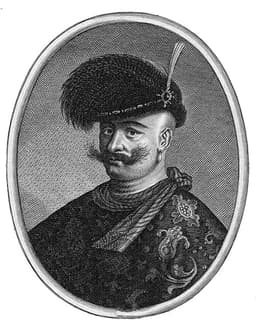
Abbas I
Emperor · Modern
81.4Total
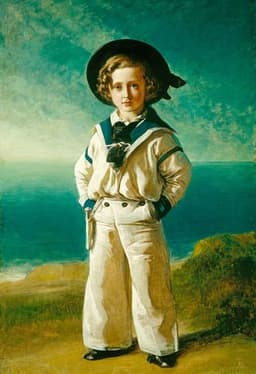
Edward VII
Emperor · Modern
56.1Total
Basic Information
Born
1571
1841
Died
1629
1910
Era
Modern
Modern
Nationality
Persia
United Kingdom
Occupation
Emperor
Emperor
Civilization
Middle Eastern
Western
Score Comparison
Military (10%)
82.0
45.0
Political (20%)
90.0
60.0
Influence (20%)
75.0
62.0
Legacy (20%)
82.0
46.7
Leadership (15%)
81.7
79.8
Strategy (15%)
82.0
35.0
TOTAL
81.4
56.1
Abbas I — Complete Timeline
1590 AD
Reformed the Army with GhulamsReform
Abbas I created a standing army of ghulams (military slaves) recruited from Christian subjects in the Caucasus, particularly Georgians and Armenians. This reduced reliance on the Qizilbash tribal forces, increased royal control, and modernized the military with firearms and artillery.
Military ReformGhulam SystemCentralization
Impact: nationalconstructive
1598 AD
Relocated Capital to IsfahanPolitical Action
Abbas I moved the Safavid capital from Qazvin to Isfahan, transforming it into a magnificent city with grand architecture, including Naqsh-e Jahan Square, the Shah Mosque, and the Ali Qapu Palace. This relocation became a symbol of Safavid power and cultural flourishing.
Capital RelocationUrban PlanningArchitecture
Impact: globalconstructive
1599 AD
Established Diplomatic Relations with EuropePolitical Action◆ Major
Abbas I sent diplomatic missions to European courts, including those of Philip III of Spain, Rudolf II of the Holy Roman Empire, and Elizabeth I of England, seeking alliances against the Ottoman Empire. These missions opened sustained diplomatic and commercial exchanges between Safavid Persia and Europe.
DiplomacyEuropean RelationsAnti-Ottoman Alliance
Impact: globalconstructive
1605 AD
Battle of SufiyanWar◆ Major
Abbas I defeated an Ottoman army near Sufiyan, securing Safavid control over Azerbaijan and the Caucasus. This victory was part of the Ottoman-Safavid War of 1603-1618, which resulted in the recapture of Tabriz, Nakhchivan, and Yerevan from Ottoman occupation.
Ottoman-Safavid WarBattleTerritorial Recovery
Impact: regional
1622 AD
Expelled Portuguese from HormuzWar◆ Major
Abbas I, with support from the English East India Company, captured the island of Hormuz from Portuguese control. This ended Portuguese dominance in the Persian Gulf and opened direct trade routes for Safavid Persia with Europe, boosting the silk trade.
Persian GulfTradeEuropean Relations
Impact: globalconstructive
1623 AD
Recaptured BaghdadWar◆ Major
Abbas I captured Baghdad from the Ottoman Empire after a siege, restoring Safavid control over Iraq. This victory expanded Safavid territory and gave Abbas control over important Shi'a pilgrimage sites like Najaf and Karbala.
Ottoman-Safavid WarConquestShi'a Sites
Impact: regional
Edward VII — Complete Timeline
1901 AD
Accession to the ThronePolitical Action◆ Major
Edward VII became king upon the death of his mother Queen Victoria. He was the first monarch of the House of Saxe-Coburg and Gotha. His accession marked the beginning of the Edwardian era, a period of social and cultural change.
AccessionEdwardian EraSuccession
Impact: national
1903 AD
State Visit to FrancePolitical Action
Edward VII made a state visit to France, which improved Anglo-French relations. He was warmly received by the French public and government. This visit helped pave the way for the Entente Cordiale and strengthened diplomatic ties.
State VisitDiplomacyFrance
Impact: regionalconstructive
1904 AD
Entente CordialePolitical Action◆ Major
Edward VII played a key role in the Entente Cordiale, a series of agreements between Britain and France. This resolved colonial disputes and established a diplomatic alliance. It laid the groundwork for the Triple Entente and shaped pre-WWI alliances.
Entente CordialeDiplomacyAlliance
Impact: globalconstructive
1910 AD
Death from BronchitisOther◆ Major
Edward VII died of bronchitis at Buckingham Palace at age 68. He was buried in St George's Chapel. His death ended the Edwardian era and passed the throne to his son George V. His reign saw the rise of the Labour Party and social reforms.
DeathEdwardian EraSuccession
Impact: nationaltragic
Expert Analysis
Origins
Abbas I (1571-1629) was born in Herat, the third son of Shah Mohammad Khodabanda. His early life was marked by the chaos of a declining Safavid state, with powerful Qizilbash tribes controlling the throne. Abbas was raised in a court rife with intrigue; his mother was a Circassian, and he witnessed the blinding of his brother and the murder of his father's ministers. At age 16, he was crowned shah after a coup that deposed his father. His formative experiences taught him the dangers of tribal power and the need for a centralized, loyal military force.
Edward VII (1841-1910) was born in London as the eldest son of Queen Victoria and Prince Albert. His childhood was strictly controlled by his parents; he was subjected to an intense educational regimen that he resented. He failed to meet his mother's expectations, leading to a strained relationship. As Prince of Wales, he was excluded from state affairs for decades, filling his time with socializing, travel, and numerous affairs. His upbringing left him with a deep desire for recognition and a talent for informal diplomacy.
Rise to Power
Abbas I ascended the throne in 1588 after a coup that forced his father to abdicate. At the time, the Safavid Empire was threatened by the Ottoman Empire in the west and the Uzbeks in the east. Abbas initially consolidated power by making temporary peace with the Ottomans, ceding territory to focus on internal threats. His turning point came when he reformed the army by creating a corps of ghulams (military slaves) recruited from Christian subjects in the Caucasus, particularly Georgians and Armenians. This standing army, loyal directly to him, allowed him to crush Qizilbash rebellions and centralize authority. By 1598, he had defeated the Uzbeks and recaptured Herat.
Edward VII became king in 1901 upon the death of Queen Victoria, at age 59. He had spent decades as Prince of Wales, a role he used to cultivate relationships across Europe. His accession was welcomed by a public eager for a more visible monarch. He immediately set about modernizing the monarchy, emphasizing public appearances and ceremonial duties. His key turning point was the Entente Cordiale with France in 1904, which he personally advanced through state visits and charm. This agreement resolved colonial disputes and laid the groundwork for the Triple Entente.
Leadership & Governance
Abbas I was an absolute ruler who micromanaged his empire. He personally oversaw military campaigns, infrastructure projects, and trade policies. He relocated the capital to Isfahan in 1598, transforming it into a magnificent city with grand architecture like Naqsh-e Jahan Square. He promoted trade by building roads and caravanserais, and he allied with the English East India Company to expel the Portuguese from Hormuz in 1622. His governance was pragmatic: he tolerated Christians and Jews, but he was ruthless against internal rivals, executing or blinding family members who threatened his rule. His military reforms scored 82.0, and his political acumen scored 90.0.
Edward VII was a constitutional monarch who used soft power. He had no direct political authority but influenced foreign policy through his social networks and personal diplomacy. His leadership style was informal and affable; he hosted lavish parties and cultivated friendships with politicians and foreign leaders. He supported the Liberal government's social reforms but did not interfere in domestic politics. His strategy score of 35.0 reflects his lack of military or strategic involvement, but his leadership score of 79.8 reflects his effectiveness as a figurehead. He modernized the monarchy's image, making it more accessible and popular.
Triumph & Tragedy
Abbas I's greatest triumph was the revitalization of the Safavid Empire. He expanded its borders to their greatest extent since the early Safavids, securing control over the Caucasus, Iraq, and the Persian Gulf. His capital Isfahan became a cultural and economic hub. However, his failures included a succession crisis: he had his eldest son executed and blinded others, leading to a weak successor. He also failed to establish a sustainable system, as the ghulam army declined after his death. His legacy score of 82.0 reflects his impact, but his political choices sowed future instability.
Edward VII's triumph was the Entente Cordiale, which ended centuries of Anglo-French rivalry and set the stage for the Triple Entente. His personal diplomacy improved Britain's relations with France and Russia. However, his tragedy was that his efforts did not prevent World War I; indeed, the alliance system he helped create contributed to the war's scale. He also failed to reform the monarchy's political role, remaining largely ceremonial. His influence score of 62.0 reflects his limited but real impact.
Character & Destiny
Abbas I was shrewd, paranoid, and decisive. His early experiences made him distrustful of the nobility and his own family. He personally led troops in battle and was known for his strategic mind. His character shaped his fate: his ruthlessness secured his power but left the empire dependent on his strength. Historians note that he was a brilliant administrator but a poor father, and his dynasty declined due to his failure to groom a capable heir.
Edward VII was sociable, charismatic, and indulgent. His love of pleasure earned him a reputation as a playboy prince, but he used his charm to advance British interests. His character made him an effective diplomat but a weak king in terms of policy. He accepted the limits of constitutional monarchy and focused on ceremonial duties. His destiny was to be a transitional figure between Victorianism and the modern age.
Legacy
Abbas I's legacy is monumental in Persian history. He is remembered as Abbas the Great, the builder of Isfahan, and the restorer of Safavid power. His military reforms influenced later Persian armies, and his architectural projects remain symbols of Iranian culture. However, his centralized autocracy set a precedent for later shahs. His overall score of 81.4 places him among the top rulers of his era.
Edward VII's legacy is the Edwardian era, a period of peace and prosperity before World War I. He is remembered for his diplomatic skill and for modernizing the monarchy. However, his impact was less profound than Abbas I's; his score of 56.1 reflects his limited scope. The Entente Cordiale endured, but it was a product of broader trends, not solely his efforts.
Conclusion
Abbas I had a greater impact than Edward VII, as measured by his total score of 81.4 versus 56.1. Abbas transformed a declining empire into a regional power, reformed its military and economy, and left a cultural legacy that still defines Iran. Edward, while effective as a constitutional monarch, operated within constraints and his achievements were largely diplomatic. Abbas's changes were structural and enduring; Edward's were personal and temporary. Thus, Abbas I stands as the more significant historical figure.
Rankings
🥇
Abbas ILeader
Mil: 82.0Pol: 90.0Inf: 75.0
81.4
🥈
Edward VII
Mil: 45.0Pol: 60.0Inf: 62.0
56.1
+25.3 behind
How This Comparison Works
Algorithm
Each figure is scored on 6 dimensions (0—100 scale) based on structured historical data: Military (10%), Political (20%), Influence (20%), Legacy (20%), Leadership (15%), Strategy (15%). The weighted total produces the final ranking.
Data Sources
Scores are computed from structured sub-indicators in the database. Scale factors adjust for era (Ancient ×0.85, Modern ×1.0) and civilization size (Eastern ×1.05, Other ×0.80) to account for differences in population and military scale.
Maximum 3 Figures
Comparisons are limited to 2—3 figures to ensure readability and statistical meaningfulness.
Error Margins
±5 points per dimension — Sub-scores are derived from historical records with inherent uncertainty. Two figures within 5 points on a dimension should be considered roughly equivalent in that area.
Total Score Accuracy
±3 points overall — The weighted combination of 6 dimensions produces a total score with approximately ±3 points of uncertainty. Differences of less than 3 points are not statistically significant— the figures are effectively tied.
Known Limitations
- Historical records are incomplete and uneven across civilizations
- Figures from oral-tradition societies may be underrepresented
- Occupation labels can misclassify multi-role figures
- Scores measure capability and impact, not moral character
- Quantitative scoring is a comparison tool, not absolute truth
Capability Radar
Military (10%) — Battles & Warfare
Battles
85
0
Win Rate
90
0
Expansion
85
0
Political (20%) — Governance & Reform
Reform
95
55
Diplomacy
88
75
Economy
92
65
Influence (20%) — Cultural & Global Reach
Cultural
90
55
Global
80
55
Legacy (20%) — Historical Impact
Historical
88
50
Longevity
85
40
Leadership (15%) — Power & Stability
Tenure
90
60
Stability
85
70
Strategy (15%) — Tactics & Innovation
Strategy
92
0
Tactics
88
0
Reform
95
15
Similar Comparisons
Comments & Discussion
No comments yet. Be the first to share your thoughts!