Loading...
Napoleon Bonaparte vs Nurhaci
Nurhaci leads by 1.4 pts · 2 figures compared
…
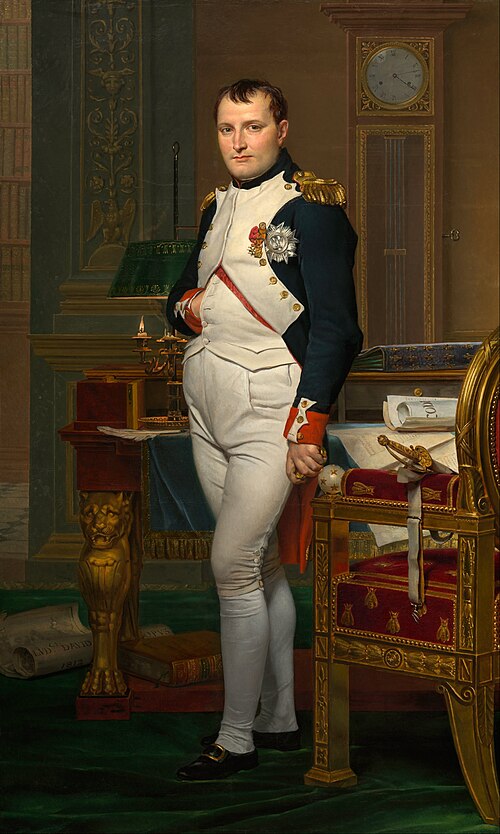
Napoleon Bonaparte
General · Modern
82.4Total
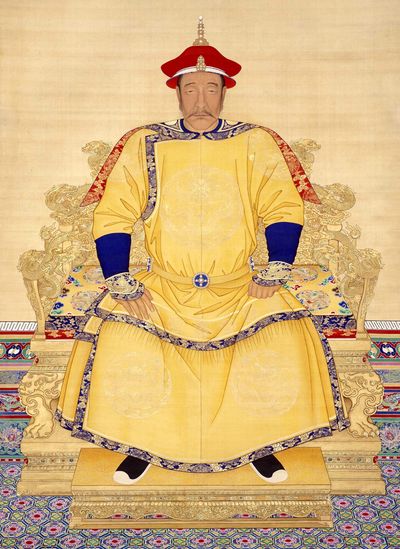
Nurhaci
Emperor · Modern
83.8Total
Basic Information
Born
1769
1559
Died
1821
1626
Era
Modern
Modern
Nationality
France
China
Occupation
General
Emperor
Civilization
Western
Eastern
Score Comparison
Military (10%)
94.0
79.9
Political (20%)
75.0
84.8
Influence (20%)
82.0
84.1
Legacy (20%)
78.0
87.6
Leadership (15%)
80.0
82.1
Strategy (15%)
93.0
81.1
TOTAL
82.4
83.8
Rankings
🥇
NurhaciLeader
Mil: 79.9Pol: 84.8Inf: 84.1
83.8
🥈
Napoleon Bonaparte
Mil: 94.0Pol: 75.0Inf: 82.0
82.4
+1.4 behind
How This Comparison Works
Algorithm
Each figure is scored on 6 dimensions (0—100 scale) based on structured historical data: Military (10%), Political (20%), Influence (20%), Legacy (20%), Leadership (15%), Strategy (15%). The weighted total produces the final ranking.
Data Sources
Scores are computed from structured sub-indicators in the database. Scale factors adjust for era (Ancient ×0.85, Modern ×1.0) and civilization size (Eastern ×1.05, Other ×0.80) to account for differences in population and military scale.
Maximum 3 Figures
Comparisons are limited to 2—3 figures to ensure readability and statistical meaningfulness.
Error Margins
±5 points per dimension — Sub-scores are derived from historical records with inherent uncertainty. Two figures within 5 points on a dimension should be considered roughly equivalent in that area.
Total Score Accuracy
±3 points overall — The weighted combination of 6 dimensions produces a total score with approximately ±3 points of uncertainty. Differences of less than 3 points are not statistically significant— the figures are effectively tied.
Known Limitations
- Historical records are incomplete and uneven across civilizations
- Figures from oral-tradition societies may be underrepresented
- Occupation labels can misclassify multi-role figures
- Scores measure capability and impact, not moral character
- Quantitative scoring is a comparison tool, not absolute truth
Capability Radar
Military (10%) — Battles & Warfare
Battles
95
85
Win Rate
90
90
Expansion
95
88
Political (20%) — Governance & Reform
Reform
95
85
Diplomacy
80
80
Economy
85
70
Influence (20%) — Cultural & Global Reach
Cultural
85
85
Global
90
80
Legacy (20%) — Historical Impact
Historical
95
90
Longevity
90
88
Leadership (15%) — Power & Stability
Tenure
85
75
Stability
70
78
Strategy (15%) — Tactics & Innovation
Strategy
95
85
Tactics
98
88
Reform
92
92
Expert Analysis
# 两个帝国的黎明:拿破仑与努尔哈赤的征服密码
1805年的奥斯特里茨战役,拿破仑站在普拉岑高地上,看着太阳从冰雾中升起,他的大军如潮水般吞没俄奥联军。同一年,远在东方,一位已故79年的建州女真首领,他的子孙正坐在北京紫禁城的龙椅上,统治着世界上人口最多的帝国。这两个人——拿破仑·波拿巴与爱新觉罗·努尔哈赤——从未谋面,却各自在欧亚大陆的两端,用截然不同的方式,缔造了改变世界的帝国。
命运的起点:岛民与边民
1769年,拿破仑出生在地中海的科西嘉岛。这个小岛刚刚被法国买下,当地人还在为独立而抗争。拿破仑的父亲是没落贵族,家里有八个孩子,挤在石头房子里。少年拿破仑操着浓重的科西嘉口音,在法国军校里被贵族同学嘲笑为“外来者”。这种边缘人的身份感,像一根刺扎在他心里——他必须用征服来证明自己。
而1559年的努尔哈赤,出生在东北的赫图阿拉城。他的家族是建州女真的一个小酋长,母亲早逝,继母刻薄,他十几岁就上山采参、挖松子,在边境集市上用汉语和蒙古语讨价还价。更残酷的是,他的祖父和父亲被明军误杀,他拿着遗骨质问明朝边将,只换来几句敷衍的道歉。那一刻,他明白了:在这片弱肉强食的土地上,只有刀剑才能讨回公道。
两人都是“边缘人”——一个被欧洲主流排斥,一个被大明帝国轻视。这种屈辱感,成了他们崛起的燃料。
崛起之路:炮火与弓箭
拿破仑的崛起是一场“闪电战”。24岁成为准将,26岁远征意大利,30岁政变成为第一执政。他的秘诀是什么?不是贵族血统,而是大炮。在土伦战役中,这位年轻的炮兵上尉用密集的炮火轰开英军的防线,一战成名。他发明了“炮兵机动战术”——让大炮像骑兵一样快速移动,在敌人最薄弱处撕开缺口。1796年的意大利战役,他用五天时间击溃撒丁王国,又用八天打垮奥地利军队,整个欧洲都惊呆了。
努尔哈赤的崛起则像一场“马拉松”。1583年,他只有13副铠甲,带着几十个族人起兵。他的策略是“远交近攻”——先和蒙古科尔沁部联姻,再逐个吞并女真各部。他发明了“八旗制度”,把猎户、农民、奴隶全部编入军政一体的组织:300人为一牛录,五牛录为一甲喇,五甲喇为一旗。这不仅是军队,更是政府、是学校、是工厂。1616年,57岁的努尔哈赤建立后金,比拿破仑称帝时还老十岁。
拿破仑靠的是“速度”——用最短的时间击溃敌人;努尔哈赤靠的是“整合”——用最有效的方式组织力量。一个像烈火,一个像流水。
治国之道:法典与八旗
拿破仑的政治遗产,是那部至今仍在法国施行的《拿破仑法典》。他用法律统一了法国的度量衡、税收、教育,废除了封建特权。他说:“我的光荣不在于打了四十场胜仗,滑铁卢会抹去这一切,但法典将永垂不朽。”他确实做到了——欧洲大陆的现代法律体系,都源自这部法典。
努尔哈赤的政治遗产,是八旗制度和满文。他命人创制满文,把女真人的口头传说变成文字;他设立“议政王大臣会议”,让八旗贝勒共同决策。但更重要的是,他发明了“剃发易服”——让被征服的汉人剃发留辫,穿满族服装。这不是简单的文化强迫,而是建立身份认同的残酷手段。后来的清朝皇帝,正是用这套制度统治了汉人两百年。
拿破仑用法律“同化”欧洲,努尔哈赤用制度“驯化”汉人。一个追求理性,一个追求控制。
巅峰与低谷:莫斯科与宁远
1812年,拿破仑率领60万大军远征莫斯科。他以为占领了俄国首都就能迫使沙皇投降,却只看到一座空城和漫天大火。俄国的冬天来了,法军冻死饿死,撤退时只剩3万人。这是拿破仑帝国的转折点。
1626年,努尔哈赤率6万大军攻打宁远城。守将袁崇焕用红夷大炮轰击,炮弹落在八旗军中,炸得血肉横飞。努尔哈赤本人被炮火击伤,不久后去世。这是努尔哈赤一生中唯一一次惨败,也是他生命的终点。
两人都败在“极限”面前:拿破仑败给了自然极限——俄国冬天的严寒;努尔哈赤败给了技术极限——明军的大炮。他们都低估了对手,也高估了自己。
性格与命运:傲慢与隐忍
拿破仑的傲慢是致命的。他拒绝承认海权的重要性,执意与英国打陆战;他忽视俄国冬天的威力,认为自己的意志可以战胜自然。他说“不可能这个词,只在愚人的字典里”,但最终,愚人成了他自己。
努尔哈赤则懂得隐忍。他一生中多次向明朝低头,接受册封,假装顺从。他甚至在起兵后还派人去北京朝贡,麻痹明朝皇帝。这种隐忍,让他活到了57岁才称帝,活到了68岁才发动对明的总攻。但他的晚年也犯了傲慢的错——宁远之战前,他写信给袁崇焕:“我以二十万大军攻你,你只有一万人,不如投降。”结果,红夷大炮给了他答案。
拿破仑死于圣赫勒拿岛的囚禁,临终前喊着“法兰西……军队……先锋”。努尔哈赤死于宁远城外的伤痛,临终前嘱咐子孙:“不要急着入关,先巩固辽东。”一个至死都在幻想征服,一个至死都在谋划战略。
历史的回响
今天,拿破仑的铜像矗立在巴黎荣军院,他的法典仍在欧洲法庭被引用。而努尔哈赤的陵墓在沈阳东陵,他创立的八旗制度早已消失,但“满族”这个民族,至今仍是中国56个民族之一。
拿破仑留下的是“个体英雄”的神话——一个人可以改变世界;努尔哈赤留下的是“集体组织”的智慧——一个制度可以延续百年。一个代表了西方的个人主义,一个代表了东方的集体主义。他们用截然不同的路径,证明了同一个真理:征服世界,从来不只是靠刀剑,更靠思想。
当拿破仑在奥斯特里茨的晨雾中举起望远镜时,他看到的是一支军队;当努尔哈赤在赫图阿拉的篝火旁举起酒杯时,他看到的是一个民族。两个帝国的黎明,就这样照亮了不同的天空。
Frequently Asked Questions
Who ranks highest among Napoleon Bonaparte, Nurhaci?
Based on our six-dimension data-driven analysis, the ranking is determined by comparing Military, Political, Influence, Legacy, Leadership, and Strategy scores derived from quantifiable historical metrics. See the full analysis for the detailed comparison.
How accurate is this comparison?
The scoring system has a ±3 point error margin per dimension and ±3 points overall. Figures within 3 points are considered statistically tied. The analysis uses structured historical data but cannot capture every nuance of historical context.
Nurhaci — Complete Timeline
1616 AD
Unified the Jurchen TribesWar
Nurhaci completed the unification of the fragmented Jurchen tribes of Manchuria. He organized them into the Eight Banners system, a military and social structure that became the foundation of his power. He then proclaimed the Later Jin dynasty.
JurchenUnificationEight Banners
Impact: regionalconstructive
Proclaimed the Later Jin DynastyPolitical Action◆ Major
Nurhaci proclaimed the establishment of the Later Jin dynasty in Manchuria, claiming legitimacy as a successor to the Jin dynasty. This act formally declared his independence from the Ming dynasty and established a rival state.
Later JinDynastyFoundation
Impact: regionalconstructive
1618 AD
Issued the Seven GrievancesPolitical Action◆ Major
Nurhaci issued the Seven Grievances, a formal declaration of war against the Ming dynasty. The grievances listed alleged Ming injustices against the Jurchens, including interference in tribal affairs and killing of Jurchen leaders. This justified his invasion of Ming territory.
Ming-Qing TransitionDeclaration of WarPropaganda
Impact: regionaldestructive
1619 AD
Battle of SarhuWar
Nurhaci's forces decisively defeated a large Ming army at the Battle of Sarhu. The Ming sent four separate armies into Manchuria, but Nurhaci used interior lines to defeat them in detail. This victory secured his control over Manchuria.
Ming-Qing TransitionBattleManchuria
Impact: regionalconstructive
1626 AD
Defeated by Yuan Chonghuan at NingyuanWar◆ Major
Nurhaci led an invasion of Ming territory but was defeated at the Battle of Ningyuan by Ming general Yuan Chonghuan. The Ming used European-style cannons to repel the Later Jin forces. Nurhaci was wounded during the battle and died shortly after.
Ming-Qing TransitionBattleDefeat
Impact: regionaltragic
Similar Comparisons
Comments & Discussion
SilverGlobe6/16/2026
I’d rate Nurhaci higher on resilience. Napoleon lost at Waterloo and faded; Nurhaci lost at Sarhu but adapted and won. Strategic survival beats flashy campaigns.
CodexVandal6/16/2026
Napoleon’s real legacy isn’t battles but the Napoleonic Code. Nurhaci left no legal system; he left a clan pact. One built a state, the other a dynasty—different scores for different games.