Loading...
Analysis will be generated on first visit.
Scores and timeline are available below. The page will refresh automatically when ready.
Magnus the Good vs Napoleon Bonaparte
Napoleon Bonaparte leads by 18.7 pts · 2 figures compared
…
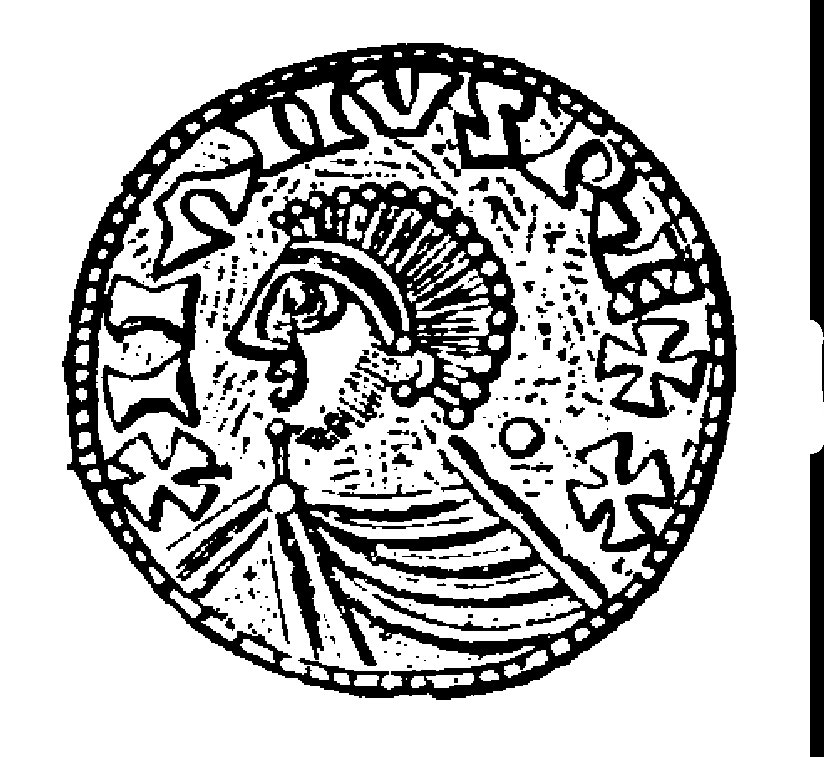
Magnus the Good
Emperor · Medieval
63.7Total
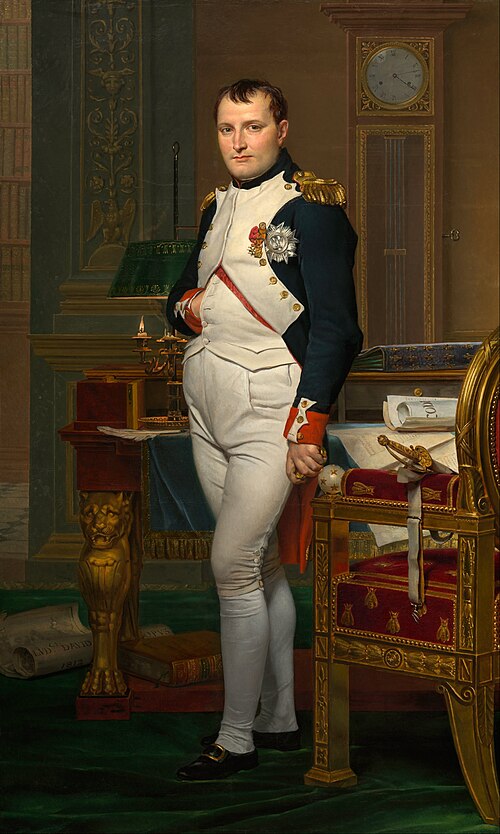
Napoleon Bonaparte
General · Modern
82.4Total
Basic Information
Born
1024
1769
Died
1047
1821
Era
Medieval
Modern
Nationality
Norway
France
Occupation
Emperor
General
Civilization
Western
Western
Score Comparison
Military (10%)
60.1
94.0
Political (20%)
52.1
75.0
Influence (20%)
73.1
82.0
Legacy (20%)
61.8
78.0
Leadership (15%)
75.0
80.0
Strategy (15%)
60.5
93.0
TOTAL
63.7
82.4
Rankings
🥇
Napoleon BonaparteLeader
Mil: 94.0Pol: 75.0Inf: 82.0
82.4
🥈
Magnus the Good
Mil: 60.1Pol: 52.1Inf: 73.1
63.7
+18.7 behind
How This Comparison Works
Algorithm
Each figure is scored on 6 dimensions (0—100 scale) based on structured historical data: Military (10%), Political (20%), Influence (20%), Legacy (20%), Leadership (15%), Strategy (15%). The weighted total produces the final ranking.
Data Sources
Scores are computed from structured sub-indicators in the database. Scale factors adjust for era (Ancient ×0.85, Modern ×1.0) and civilization size (Eastern ×1.05, Other ×0.80) to account for differences in population and military scale.
Maximum 3 Figures
Comparisons are limited to 2—3 figures to ensure readability and statistical meaningfulness.
Error Margins
±5 points per dimension — Sub-scores are derived from historical records with inherent uncertainty. Two figures within 5 points on a dimension should be considered roughly equivalent in that area.
Total Score Accuracy
±3 points overall — The weighted combination of 6 dimensions produces a total score with approximately ±3 points of uncertainty. Differences of less than 3 points are not statistically significant— the figures are effectively tied.
Known Limitations
- Historical records are incomplete and uneven across civilizations
- Figures from oral-tradition societies may be underrepresented
- Occupation labels can misclassify multi-role figures
- Scores measure capability and impact, not moral character
- Quantitative scoring is a comparison tool, not absolute truth
Capability Radar
Military (10%) — Battles & Warfare
Battles
55
95
Win Rate
60
90
Expansion
60
95
Political (20%) — Governance & Reform
Reform
45
95
Diplomacy
55
80
Economy
40
85
Influence (20%) — Cultural & Global Reach
Cultural
40
85
Global
30
90
Legacy (20%) — Historical Impact
Historical
45
95
Longevity
35
90
Leadership (15%) — Power & Stability
Tenure
60
85
Stability
50
70
Strategy (15%) — Tactics & Innovation
Strategy
55
95
Tactics
50
98
Reform
30
92
Analysis will be generated on first visit.
Scores and timeline are available below. The page will refresh automatically when ready.
Magnus the Good — Complete Timeline
1035 AD
Became King of NorwayPolitical Action◆ Major
Magnus the Good became King of Norway at age 11 after his father, Olaf II, was killed in battle. He was proclaimed king by the Norwegian nobility who had opposed Cnut the Great's rule, restoring the native dynasty after a period of Danish domination.
SuccessionNorwayRestoration
Impact: regionalconstructive
1042 AD
Became King of DenmarkPolitical Action◆ Major
Upon the death of Harthacnut, Magnus the Good inherited the Danish throne, becoming king of both Norway and Denmark. This union was based on a prior agreement between Magnus and Harthacnut, creating a personal union of the two Scandinavian kingdoms.
UnionDenmarkNorway
Impact: regionalconstructive
1043 AD
Defeated the Wends at the Battle of Lyrskov HeathWar
Magnus the Good led a Danish army to victory against the Wends (Slavic tribes) at Lyrskov Heath in present-day Germany. The battle secured Danish control over the southern Baltic coast and enhanced Magnus's reputation as a military leader.
BattleWendsBaltic
Impact: regional
Fought against Sweyn Estridsson for DenmarkWar◆ Major
Magnus the Good faced a rebellion from Sweyn Estridsson, a Danish nobleman who claimed the Danish throne. Magnus defeated Sweyn in several battles, forcing him into exile, but the conflict weakened Magnus's hold on Denmark and drained resources.
Civil WarDenmarkRebellion
Impact: regional
1047 AD
Died suddenly in DenmarkOther◆ Major
Magnus the Good died suddenly in Denmark at age 23, possibly from illness or an accident. His death ended the personal union of Norway and Denmark, as he had no heirs, leading to the division of his kingdoms between Harald Hardrada and Sweyn Estridsson.
DeathSuccession CrisisScandinavia
Impact: regionaltragic
Similar Comparisons
Comments & Discussion
No comments yet. Be the first to share your thoughts!