Loading...
Analysis will be generated on first visit.
Scores and timeline are available below. The page will refresh automatically when ready.
Duke Huan of Qi vs Napoleon Bonaparte
Napoleon Bonaparte leads by 15.2 pts · 2 figures compared
…
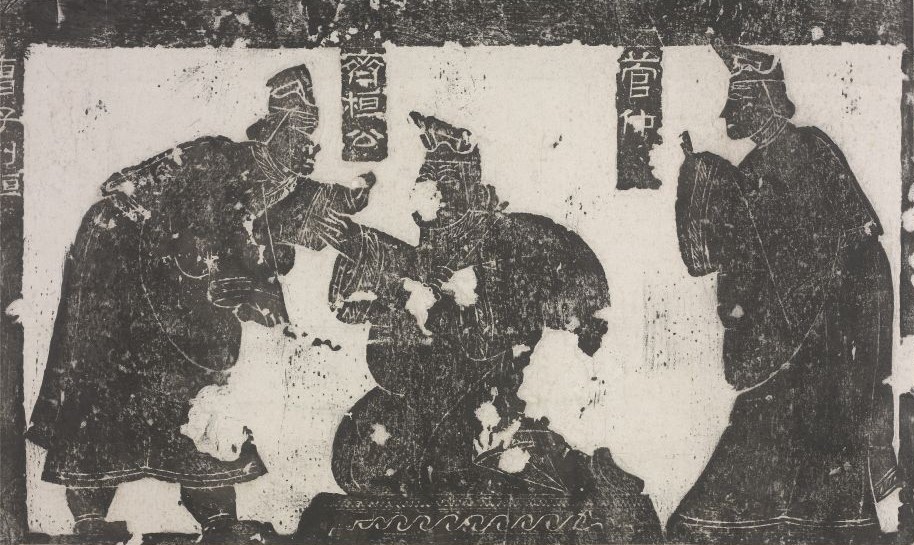
Duke Huan of Qi
Emperor · Ancient
67.2Total
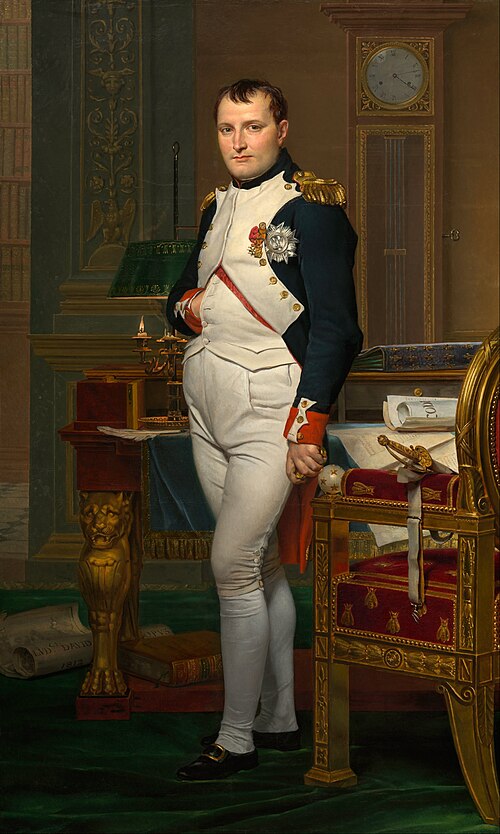
Napoleon Bonaparte
General · Modern
82.4Total
Basic Information
Born
-685
1769
Died
-643
1821
Era
Ancient
Modern
Nationality
China
France
Occupation
Emperor
General
Civilization
Eastern
Western
Score Comparison
Military (10%)
65.8
94.0
Political (20%)
65.8
75.0
Influence (20%)
71.1
82.0
Legacy (20%)
69.2
78.0
Leadership (15%)
74.0
80.0
Strategy (15%)
55.0
93.0
TOTAL
67.2
82.4
Rankings
🥇
Napoleon BonaparteLeader
Mil: 94.0Pol: 75.0Inf: 82.0
82.4
🥈
Duke Huan of Qi
Mil: 65.8Pol: 65.8Inf: 71.1
67.2
+15.2 behind
How This Comparison Works
Algorithm
Each figure is scored on 6 dimensions (0—100 scale) based on structured historical data: Military (10%), Political (20%), Influence (20%), Legacy (20%), Leadership (15%), Strategy (15%). The weighted total produces the final ranking.
Data Sources
Scores are computed from structured sub-indicators in the database. Scale factors adjust for era (Ancient ×0.85, Modern ×1.0) and civilization size (Eastern ×1.05, Other ×0.80) to account for differences in population and military scale.
Maximum 3 Figures
Comparisons are limited to 2—3 figures to ensure readability and statistical meaningfulness.
Error Margins
±5 points per dimension — Sub-scores are derived from historical records with inherent uncertainty. Two figures within 5 points on a dimension should be considered roughly equivalent in that area.
Total Score Accuracy
±3 points overall — The weighted combination of 6 dimensions produces a total score with approximately ±3 points of uncertainty. Differences of less than 3 points are not statistically significant— the figures are effectively tied.
Known Limitations
- Historical records are incomplete and uneven across civilizations
- Figures from oral-tradition societies may be underrepresented
- Occupation labels can misclassify multi-role figures
- Scores measure capability and impact, not moral character
- Quantitative scoring is a comparison tool, not absolute truth
Capability Radar
Military (10%) — Battles & Warfare
Battles
65
95
Win Rate
70
90
Expansion
70
95
Political (20%) — Governance & Reform
Reform
65
95
Diplomacy
80
80
Economy
75
85
Influence (20%) — Cultural & Global Reach
Cultural
65
85
Global
55
90
Legacy (20%) — Historical Impact
Historical
75
95
Longevity
70
90
Leadership (15%) — Power & Stability
Tenure
70
85
Stability
60
70
Strategy (15%) — Tactics & Innovation
Strategy
75
95
Tactics
60
98
Reform
55
92
Analysis will be generated on first visit.
Scores and timeline are available below. The page will refresh automatically when ready.
Duke Huan of Qi — Complete Timeline
685 BC
Reforms under Guan ZhongReform◆ Major
Duke Huan appointed Guan Zhong as chancellor, who implemented administrative and economic reforms. These included reorganizing the state into districts, standardizing taxes, and promoting trade, which strengthened Qi's power and wealth.
Qi StateReformGuan Zhong
Impact: regionalprogressive
Reign as Hegemon of QiPolitical Action◆ Major
Duke Huan of Qi became the first of the Five Hegemons, dominating the Spring and Autumn period. He used the authority of the Zhou king to lead alliances of states, maintaining order and defending against non-Chinese tribes.
Spring and AutumnHegemonAlliance
Impact: regionalconstructive
664 BC
Defeat of the Northern Di TribesWar
Duke Huan led a campaign against the Northern Di tribes who were threatening the states of Yan and Xing. His victory protected the northern borders and earned him gratitude from the Zhou court, enhancing his prestige as protector of Chinese civilization.
Spring and AutumnWarDefense
Impact: regionalconstructive
651 BC
Convening of the Alliance of KuiqiuPolitical Action◆ Major
Duke Huan convened a major alliance of states at Kuiqiu, where he reaffirmed the authority of the Zhou king and established a code of conduct among states. This meeting solidified his position as hegemon and set precedents for interstate relations.
Spring and AutumnAllianceHegemon
Impact: regionalconstructive
Similar Comparisons
Comments & Discussion
The Grand Strategist6/17/2026
Napoleon’s tactical genius was undeniable, but Duke Huan of Qi mastered grand strategy that lasted centuries. While Napoleon crushed enemies at Austerlitz only to bleed out in Russia, Duke Huan used the “Revere the Zhou king” doctrine—a soft-power move that made hegemony sustainable. One won battles; the other won time. As von Clausewitz said, war is politics by other means—Duke Huan understood politics; Napoleon just understood war.
枪骑兵拿破仑6/17/2026
拿哥炮打埃及的时候,带着一群学者去研究象形文字,这够牛吧?可齐桓公三千年前就在搞文化霸权啦!他召集诸侯盟会不是砍人头,而是让管仲编《管子》经济政策,用盐铁专卖收割利益。拿破仑搞的是军事扩张,齐桓公搞的是经济殖民。谁更持久?不用我说了吧。
The Man Who Sold Peace6/17/2026
Here’s the thing: Duke Huan of Qi didn’t build an empire; he built a mafia protection racket under a Zhou dynasty legal fiction. “Honoring the king” was just PR for demanding tribute from weaker states. Napoleon was an honest conqueror who declared his ambitions openly and died for them. Give me the Corsican who scared the entire continent over a Chinese lord playing moral superiority while shaking down neighbors. Hypocrisy isn’t strategy.
历史平行宇宙狂6/17/2026
想想这个悖论:拿破仑滑铁卢战败,流放圣赫勒拿岛;齐桓公晚年被活活饿死,连尸体都臭了才被发现。两个霸权巅峰掉得一样惨——区别只在于,齐桓公的霸权模式被孔子吹成了“尊王攘夷”的儒家样板,拿破仑却被欧洲君主们妖魔化了三百年。本质上都是权力游戏,包装决定后世评价。齐桓公赢了历史叙事权。
简中硬核推土机6/17/2026
你们都被“管仲相齐”骗了!齐桓公没你们想的那么伟大。九合诸侯是靠管仲的经济战:买楚国的鹿让楚人荒废农业,走私齐国的丝绸抽干邻国外汇储备。拿破仑至少正面刚,拿大炮说话。齐桓公搞阴的,让盟国破产后跪着求他保护。这种霸权算个锤子?分明是古代版的美元霸权+颜色革命。