Loading...
Analysis will be generated on first visit.
Scores and timeline are available below. The page will refresh automatically when ready.
Julius Caesar vs Pascal Lissouba
Julius Caesar leads by 27.5 pts · 2 figures compared
…
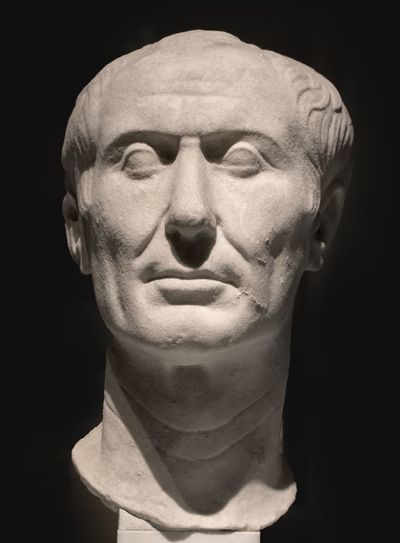
Julius Caesar
General · Ancient
83.3Total
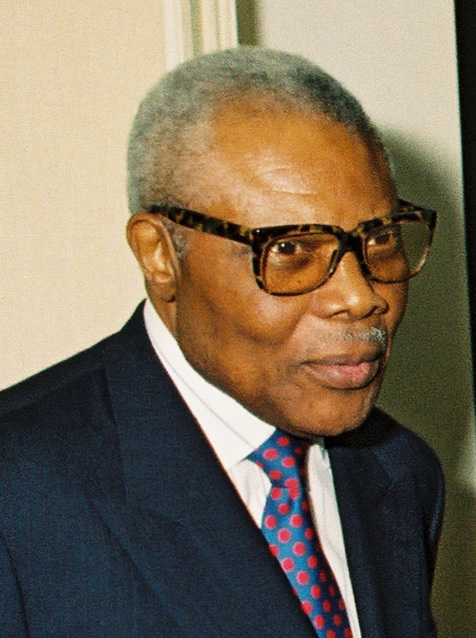
Pascal Lissouba
Politician · Modern
55.8Total
Basic Information
Born
-100
1931
Died
-44
—
Era
Ancient
Modern
Nationality
Roman Republic
Congo-Brazzaville
Occupation
General
Politician
Civilization
Western
Other
Score Comparison
Military (10%)
88.0
30.2
Political (20%)
78.0
54.1
Influence (20%)
85.0
61.9
Legacy (20%)
82.0
48.9
Leadership (15%)
82.0
75.9
Strategy (15%)
88.0
56.4
TOTAL
83.3
55.8
Rankings
🥇
Julius CaesarLeader
Mil: 88.0Pol: 78.0Inf: 85.0
83.3
🥈
Pascal Lissouba
Mil: 30.2Pol: 54.1Inf: 61.9
55.8
+27.5 behind
How This Comparison Works
Algorithm
Each figure is scored on 6 dimensions (0—100 scale) based on structured historical data: Military (10%), Political (20%), Influence (20%), Legacy (20%), Leadership (15%), Strategy (15%). The weighted total produces the final ranking.
Data Sources
Scores are computed from structured sub-indicators in the database. Scale factors adjust for era (Ancient ×0.85, Modern ×1.0) and civilization size (Eastern ×1.05, Other ×0.80) to account for differences in population and military scale.
Maximum 3 Figures
Comparisons are limited to 2—3 figures to ensure readability and statistical meaningfulness.
Error Margins
±5 points per dimension — Sub-scores are derived from historical records with inherent uncertainty. Two figures within 5 points on a dimension should be considered roughly equivalent in that area.
Total Score Accuracy
±3 points overall — The weighted combination of 6 dimensions produces a total score with approximately ±3 points of uncertainty. Differences of less than 3 points are not statistically significant— the figures are effectively tied.
Known Limitations
- Historical records are incomplete and uneven across civilizations
- Figures from oral-tradition societies may be underrepresented
- Occupation labels can misclassify multi-role figures
- Scores measure capability and impact, not moral character
- Quantitative scoring is a comparison tool, not absolute truth
Capability Radar
Military (10%) — Battles & Warfare
Battles
95
23
Win Rate
92
25
Expansion
97
27
Political (20%) — Governance & Reform
Reform
90
35
Diplomacy
85
30
Economy
82
25
Influence (20%) — Cultural & Global Reach
Cultural
88
10
Global
94
10
Legacy (20%) — Historical Impact
Historical
95
15
Longevity
96
10
Leadership (15%) — Power & Stability
Tenure
75
40
Stability
60
15
Strategy (15%) — Tactics & Innovation
Strategy
94
30
Tactics
96
31
Reform
88
36
Analysis will be generated on first visit.
Scores and timeline are available below. The page will refresh automatically when ready.
Pascal Lissouba — Complete Timeline
1992 AD
Elected President of Congo-BrazzavillePolitical Action◆ Major
Lissouba won the first multi-party presidential election in Congo-Brazzaville since independence, defeating Denis Sassou-Nguesso. His victory marked a transition from Marxist one-party rule to democratic governance.
ElectionDemocracyCongo-Brazzaville
Impact: nationalprogressive
1997 AD
Overthrown in Civil WarWar◆ Major
Lissouba was overthrown by forces loyal to Denis Sassou-Nguesso during the Republic of Congo Civil War. The conflict involved ethnic militias and foreign intervention, resulting in Sassou-Nguesso's return to power.
Civil WarCoupCongo-Brazzaville
Impact: nationaldestructive
Similar Comparisons
Comments & Discussion
Conquistador_Critic6/17/2026
This comparison is absurd. Caesar wasn't just some "crossing a river" guy—he spent a decade conquering Gaul, writing the definitive account of ancient warfare, and fundamentally restructuring Roman governance. Lissouba? He was a catastrophic leader who triggered a civil war through incompetence and electoral fraud. One man changed the Western world forever; the other couldn't even hold onto a small African country for a full term. History isn't about "architecture of power"—it's about actual ach
数据侦探6/17/2026
把两位穿越河流的场景并列纯属强行对比。凯撒跨过卢比孔时带着战无不胜的军团,身后是高卢的千万战利品和政治资本;利苏巴跨出刚果时,连自己的总统卫队都控制不了。统计一下:凯撒统治了罗马5年多,利苏巴只撑了4年就垮台。更关键的是,凯撒面临的是派系斗争,利苏巴面对的是全副武装的军阀。把一位古代超级大国领袖和一位后殖民时代小国短命总统放在一起比较,有点幽默但并不深刻。
Classics_Scholar6/17/2026
The Rubicon crossing is embedded in our literary consciousness through Lucan's epic *Pharsalia* and Plutarch's dramatic biography. "Alea iacta est" carries mythical weight precisely because Caesar understood he was performing for posterity. Lissouba's flight from Brazzaville, by contrast, was captured by no poet, no philosopher, no historian of note. But that's not Lissouba's failure—it's ours. We privilege the narratives of victors who controlled their own storytelling. Caesar wrote *Commentari
历史发烧友6/17/2026
我翻过利苏巴的资料,发现他其实是个受过法国教育的生物化学博士,而不是普通的军阀政客。他1992年赢得选举是靠联合左翼和地区势力,但1993年西方石油谈判失败后,刚果石油收入骤降50%,经济崩盘直接导致内战。凯撒过河前有充足的后勤和政治准备,利苏巴呢?他面对的是被法国和安哥拉武装干预的复杂局面,而他没有凯撒那样可以指挥的忠诚军队。这种比较纯属事后诸葛亮式的历史精英主义。
Revisionist_Critic6/17/2026
Let's stop romanticizing Caesar's "genius." He was a debt-ridden aristocrat who gambled on civil war because he faced prosecution for corruption. The Rubicon crossing wasn't some heroic threshold moment—it was a desperate act by a man who knew he'd lose everything if he stayed within the law. L