Loading...
Analysis will be generated on first visit.
Scores and timeline are available below. The page will refresh automatically when ready.
Dinh Tien Hoang vs J. B. M. Hertzog
Dinh Tien Hoang leads by 6.1 pts · 2 figures compared
…
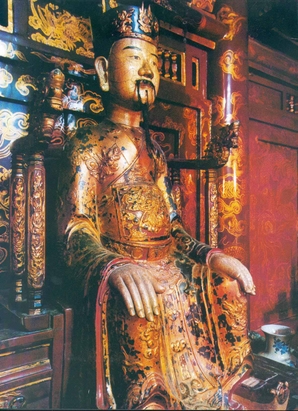
Dinh Tien Hoang
Emperor · Medieval
74.2Total
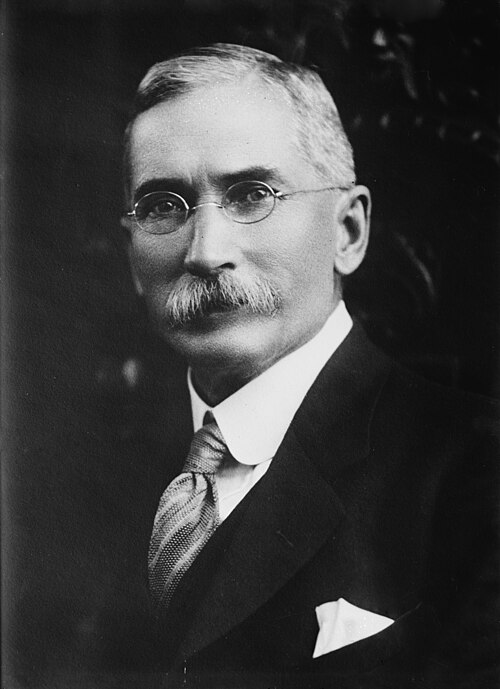
J. B. M. Hertzog
General · Modern
68.1Total
Basic Information
Born
924
1866
Died
979
1942
Era
Medieval
Modern
Nationality
Vietnam
South Africa
Occupation
Emperor
General
Civilization
Eastern
Other
Score Comparison
Military (10%)
62.0
48.1
Political (20%)
90.2
73.0
Influence (20%)
70.7
74.8
Legacy (20%)
70.8
66.8
Leadership (15%)
84.2
79.9
Strategy (15%)
60.0
55.9
TOTAL
74.2
68.1
Rankings
🥇
Dinh Tien HoangLeader
Mil: 62.0Pol: 90.2Inf: 70.7
74.2
🥈
J. B. M. Hertzog
Mil: 48.1Pol: 73.0Inf: 74.8
68.1
+6.1 behind
How This Comparison Works
Algorithm
Each figure is scored on 6 dimensions (0—100 scale) based on structured historical data: Military (10%), Political (20%), Influence (20%), Legacy (20%), Leadership (15%), Strategy (15%). The weighted total produces the final ranking.
Data Sources
Scores are computed from structured sub-indicators in the database. Scale factors adjust for era (Ancient ×0.85, Modern ×1.0) and civilization size (Eastern ×1.05, Other ×0.80) to account for differences in population and military scale.
Maximum 3 Figures
Comparisons are limited to 2—3 figures to ensure readability and statistical meaningfulness.
Error Margins
±5 points per dimension — Sub-scores are derived from historical records with inherent uncertainty. Two figures within 5 points on a dimension should be considered roughly equivalent in that area.
Total Score Accuracy
±3 points overall — The weighted combination of 6 dimensions produces a total score with approximately ±3 points of uncertainty. Differences of less than 3 points are not statistically significant— the figures are effectively tied.
Known Limitations
- Historical records are incomplete and uneven across civilizations
- Figures from oral-tradition societies may be underrepresented
- Occupation labels can misclassify multi-role figures
- Scores measure capability and impact, not moral character
- Quantitative scoring is a comparison tool, not absolute truth
Capability Radar
Military (10%) — Battles & Warfare
Battles
70
45
Win Rate
75
40
Expansion
65
20
Political (20%) — Governance & Reform
Reform
70
60
Diplomacy
65
55
Economy
60
50
Influence (20%) — Cultural & Global Reach
Cultural
65
50
Global
55
45
Legacy (20%) — Historical Impact
Historical
75
55
Longevity
70
40
Leadership (15%) — Power & Stability
Tenure
60
65
Stability
55
45
Strategy (15%) — Tactics & Innovation
Strategy
70
50
Tactics
65
45
Reform
60
30
Analysis will be generated on first visit.
Scores and timeline are available below. The page will refresh automatically when ready.
Dinh Tien Hoang — Complete Timeline
968 AD
Defeat of the Twelve WarlordsWar
Dinh Bo Linh, later known as Dinh Tien Hoang, unified Vietnam by defeating the Twelve Warlords who had divided the country after the collapse of Chinese rule. He established the Dinh dynasty and became the first emperor of an independent Vietnam.
UnificationDinh DynastyVietnamese Independence
Impact: nationalconstructive
Establishment of the Dinh DynastyPolitical Action◆ Major
Dinh Tien Hoang founded the Dinh dynasty and declared himself Emperor. He moved the capital to Hoa Lu and implemented administrative reforms to consolidate power. This marked the beginning of a new era of Vietnamese independence after centuries of Chinese domination.
Dynasty FoundingCapital MoveAdministrative Reform
Impact: nationalconstructive
979 AD
Assassination of Dinh Tien HoangPolitical Action◆ Major
Dinh Tien Hoang and his crown prince were assassinated by a court official while sleeping. The murder plunged the Dinh dynasty into chaos, leading to a succession crisis and eventual takeover by Le Hoan. The assassination ended the short-lived Dinh dynasty.
AssassinationSuccession CrisisEnd of Dinh Dynasty
Impact: nationaltragic
J. B. M. Hertzog — Complete Timeline
1899 AD
Boer War GeneralWar◆ Major
Hertzog served as a Boer general in the Second Boer War, commanding forces in the Orange Free State. He participated in several battles and became a prominent Afrikaner military leader.
Second Boer WarGeneralMilitary
Impact: regional
1914 AD
Founded the National PartyPolitical Action
Hertzog broke away from the South African Party and founded the National Party, which championed Afrikaner nationalism and opposed British imperial influence. The party would later implement apartheid.
National PartyAfrikaner NationalismFounding
Impact: nationalconstructive
1924 AD
Prime Minister of South AfricaPolitical Action◆ Major
Hertzog became Prime Minister after his National Party won the general election in coalition with the Labour Party. His government implemented policies to protect white workers and promote Afrikaner interests, including the 'civilized labour' policy.
Prime MinisterAfrikaner RightsLabour Policy
Impact: national
1934 AD
Merged with Smuts to Form United PartyPolitical Action◆ Major
Hertzog merged his National Party with Jan Smuts' South African Party to form the United Party. The coalition aimed to address the economic crisis of the Great Depression and promote national unity, but it alienated hardline Afrikaner nationalists.
United PartyCoalitionNational Unity
Impact: nationalconstructive
1936 AD
Passed the Representation of Natives ActReform◆ Major
Hertzog's government passed the Representation of Natives Act, which removed Black voters from the common voters' roll in the Cape Province and allowed them to elect white representatives instead. This further entrenched racial segregation.
SegregationDisenfranchisementLegislation
Impact: nationaldestructive
1939 AD
Resigned Over Neutrality in WWIIPolitical Action◆ Major
Hertzog advocated for South African neutrality in World War II, but his cabinet voted to enter the war on the Allied side. He resigned as Prime Minister and was succeeded by Jan Smuts, splitting the United Party.
World War IINeutralityResignation
Impact: national
Similar Comparisons
Comments & Discussion
荷镔铁匠6/16/2026
Dinh Tien Hoang was a warlord who built a nation with blood and iron, ending centuries of Chinese domination in 968 by crushing 12 rival lords. That’s real nation-building—conquest and consolidation. Hertzog fiddled with parliamentary votes and apartheid laws, a politician, not a founder. Give me the man who unified Vietnam with a sword, not a gavel. The buffalo boy beats the lawyer every time.
牛背王6/16/2026
丁先皇用十年时间扫平十二使君,建立大瞿越,是真正的开国君主。Hertzog呢?他1914年进了南非内阁,搞了种族隔离法案,算什么民族英雄?一个是白手起家的武皇帝,一个是靠着英帝国体系升官的政治家。别拿议会辩论和马上打天下比,那是侮辱了968年统一越南的血战。丁部领九岁丧父,放牛出身,这才是硬核建国故事。