Loading...
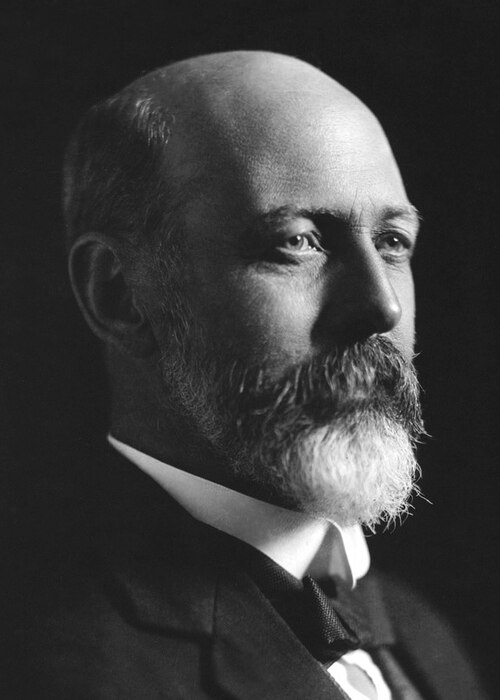
Joseph Cook
ModernPoliticianAustralia1860 — 1947
Liberal Australian PM who took country into WWI.
Compare Joseph Cook with another historical figure:
Quick Facts
Born
1860
Died
1947
Country
Australia
Era
Modern
Occupation
Politician
Score Overview
Military (10%)50
Political (20%)42
Influence (20%)49
Legacy (20%)42
Leadership (15%)52
Strategy (15%)44
Total Score46.1
Joseph Cook — Complete Timeline
1913 AD
Leadership of the Liberal PartyPolitical Action◆ Major
Cook became the leader of the Commonwealth Liberal Party in 1913, succeeding Alfred Deakin. He led the party to a narrow victory in the 1913 federal election, forming a minority government that lasted until 1914.
Party LeadershipLiberal PartyElection Victory
Impact: national
1914 AD
Prime Ministership and Entry into World War IWar◆ Major
Joseph Cook became Prime Minister of Australia in June 1913, leading a Liberal government. When World War I broke out in August 1914, Cook's government declared Australia's support for Britain and began military preparations, but he lost the subsequent federal election in September 1914.
World War IWar DeclarationLiberal Government
Impact: global
Defeat in the 1914 Federal ElectionPolitical Action◆ Major
Cook's Liberal government was defeated in the double dissolution election of September 1914, called over the Government Ships Bill. The Labor Party under Andrew Fisher won a majority, ending Cook's brief prime ministership after just over a year.
Election DefeatLiberal PartyDouble Dissolution
Impact: nationaltragic
1919 AD
Participation in the Paris Peace ConferencePolitical Action
Cook served as a member of the Australian delegation to the Paris Peace Conference in 1919, alongside Prime Minister Billy Hughes. He contributed to negotiations on the Treaty of Versailles and the establishment of the League of Nations.
Paris Peace ConferenceTreaty of VersaillesDiplomacy
Impact: global
1921 AD
Retirement from PoliticsPolitical Action
Cook retired from the House of Representatives in 1921, after serving as a member since federation. He was later appointed as a member of the Australian delegation to the League of Nations and served as High Commissioner to the United Kingdom from 1921 to 1927.
RetirementHigh CommissionerLeague of Nations
Impact: national
Detailed Scores
▶View all detailed scores
Military
Strategy
6
Tactics
5
Battles
6
Army Scale
5
War Impact
6
Political
Governance
7
Reform
7
Stability
7
Policy
7
Power
8
Influence
History
9
Global
8
Culture
8
Ideology
9
Legacy
8
People often compare with
See how Joseph Cook stacks up against other historical figures
Popular Comparisons
Joseph Cook vs Ichiro Hatoyama
vs Ichiro Hatoyama52
Joseph Cook vs Gordon Coates
vs Gordon Coates52
Joseph Cook vs Iwakura Tomomi
vs Iwakura Tomomi52
Joseph Cook vs H. D. Deve Gowda
vs H. D. Deve Gowda52
Joseph Cook vs Jenny Shipley
vs Jenny Shipley51
Joseph Cook vs Joseph Kasa-Vubu
vs Joseph Kasa-Vubu49