Loading...
Analysis will be generated on first visit.
Scores and timeline are available below. The page will refresh automatically when ready.
Muhammad ibn Qasim vs Napoleon Bonaparte
Napoleon Bonaparte leads by 26.0 pts · 2 figures compared
…
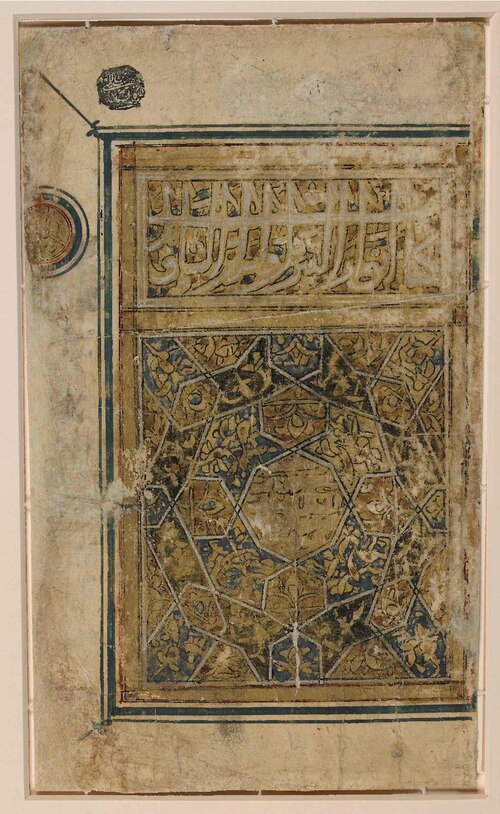
Muhammad ibn Qasim
General · Ancient
56.4Total
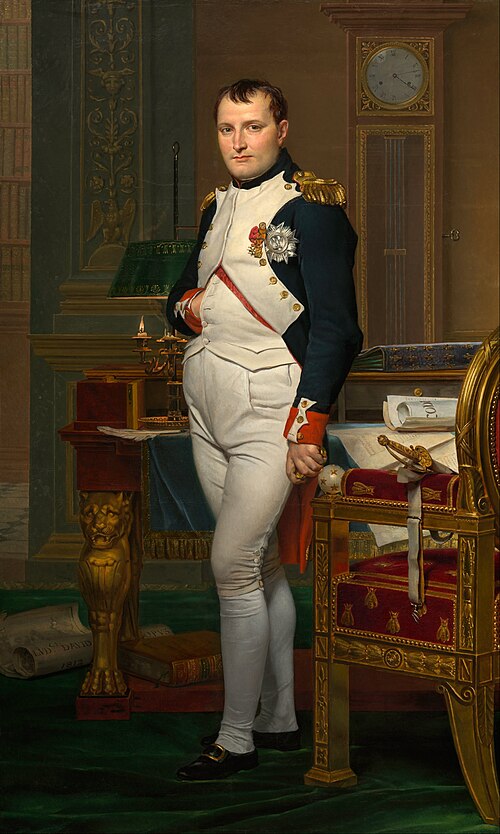
Napoleon Bonaparte
General · Modern
82.4Total
Basic Information
Born
-695
1769
Died
—
1821
Era
Ancient
Modern
Nationality
Umayyad Caliphate
France
Occupation
General
General
Civilization
Middle Eastern
Western
Score Comparison
Military (10%)
30.3
94.0
Political (20%)
46.4
75.0
Influence (20%)
73.8
82.0
Legacy (20%)
63.4
78.0
Leadership (15%)
41.6
80.0
Strategy (15%)
69.2
93.0
TOTAL
56.4
82.4
Rankings
🥇
Napoleon BonaparteLeader
Mil: 94.0Pol: 75.0Inf: 82.0
82.4
🥈
Muhammad ibn Qasim
Mil: 30.3Pol: 46.4Inf: 73.8
56.4
+26.0 behind
How This Comparison Works
Algorithm
Each figure is scored on 6 dimensions (0—100 scale) based on structured historical data: Military (10%), Political (20%), Influence (20%), Legacy (20%), Leadership (15%), Strategy (15%). The weighted total produces the final ranking.
Data Sources
Scores are computed from structured sub-indicators in the database. Scale factors adjust for era (Ancient ×0.85, Modern ×1.0) and civilization size (Eastern ×1.05, Other ×0.80) to account for differences in population and military scale.
Maximum 3 Figures
Comparisons are limited to 2—3 figures to ensure readability and statistical meaningfulness.
Error Margins
±5 points per dimension — Sub-scores are derived from historical records with inherent uncertainty. Two figures within 5 points on a dimension should be considered roughly equivalent in that area.
Total Score Accuracy
±3 points overall — The weighted combination of 6 dimensions produces a total score with approximately ±3 points of uncertainty. Differences of less than 3 points are not statistically significant— the figures are effectively tied.
Known Limitations
- Historical records are incomplete and uneven across civilizations
- Figures from oral-tradition societies may be underrepresented
- Occupation labels can misclassify multi-role figures
- Scores measure capability and impact, not moral character
- Quantitative scoring is a comparison tool, not absolute truth
Capability Radar
Military (10%) — Battles & Warfare
Battles
45
95
Win Rate
55
90
Expansion
50
95
Political (20%) — Governance & Reform
Reform
20
95
Diplomacy
30
80
Economy
20
85
Influence (20%) — Cultural & Global Reach
Cultural
30
85
Global
30
90
Legacy (20%) — Historical Impact
Historical
40
95
Longevity
35
90
Leadership (15%) — Power & Stability
Tenure
25
85
Stability
20
70
Strategy (15%) — Tactics & Innovation
Strategy
45
95
Tactics
50
98
Reform
20
92
Analysis will be generated on first visit.
Scores and timeline are available below. The page will refresh automatically when ready.
Muhammad ibn Qasim — Complete Timeline
712 AD
Conquest of SindhWar◆ Major
Muhammad ibn Qasim, at age 17, led the Umayyad army to conquer the Sindh region (present-day Pakistan). He defeated King Dahir at the Battle of Aror, establishing Umayyad rule in South Asia and introducing Islamic governance to the Indian subcontinent.
Umayyad ConquestSouth AsiaIslamic Expansion
Impact: regional
Implementation of Dhimmi StatusReform
Ibn Qasim granted protected status (dhimmi) to Hindus and Buddhists in Sindh, allowing them to practice their religions in exchange for a tax. This policy set a precedent for religious tolerance under early Islamic rule in India.
Religious PolicyToleranceDhimmi
Impact: regionalconstructive
713 AD
Siege of MultanWar◆ Major
Ibn Qasim besieged and captured the city of Multan after a prolonged siege. The conquest secured Umayyad control over the Indus Valley and opened trade routes, with Multan becoming a key center of Islamic culture in the region.
SiegeConquestIndus Valley
Impact: regional
715 AD
Recall and DeathPolitical Action◆ Major
After the death of Caliph al-Walid I, the new caliph Sulayman ibn Abd al-Malik recalled Ibn Qasim to Damascus. Ibn Qasim was imprisoned and died under unclear circumstances, possibly executed, ending his brief but impactful career.
RecallDeathUmayyad Politics
Impact: nationaltragic
Similar Comparisons
Comments & Discussion
No comments yet. Be the first to share your thoughts!