Loading...
Analysis will be generated on first visit.
Scores and timeline are available below. The page will refresh automatically when ready.
Louis the Child vs Napoleon Bonaparte
Napoleon Bonaparte leads by 39.5 pts · 2 figures compared
…
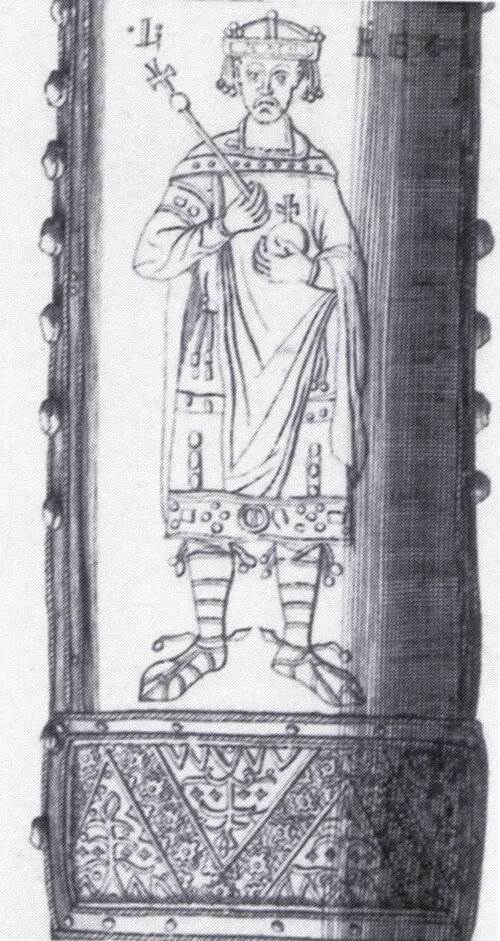
Louis the Child
Emperor · Medieval
42.9Total
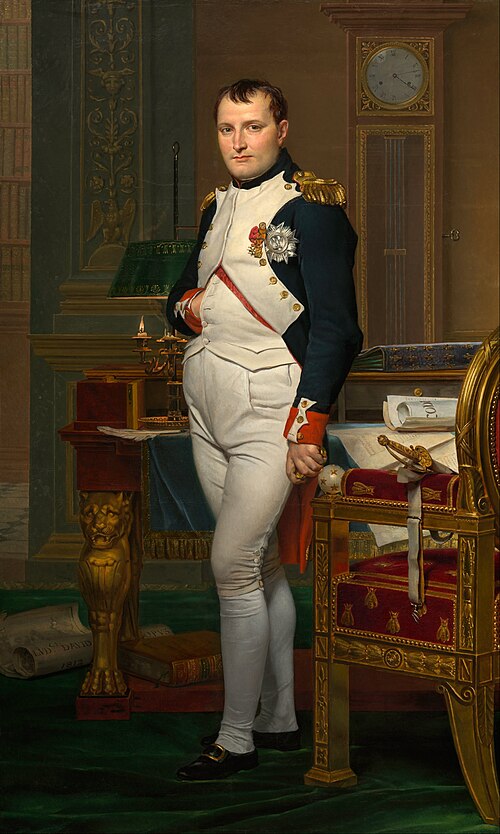
Napoleon Bonaparte
General · Modern
82.4Total
Basic Information
Born
893
1769
Died
911
1821
Era
Medieval
Modern
Nationality
East Francia
France
Occupation
Emperor
General
Civilization
Western
Western
Score Comparison
Military (10%)
54.2
94.0
Political (20%)
34.5
75.0
Influence (20%)
60.3
82.0
Legacy (20%)
47.1
78.0
Leadership (15%)
30.7
80.0
Strategy (15%)
30.0
93.0
TOTAL
42.9
82.4
Rankings
🥇
Napoleon BonaparteLeader
Mil: 94.0Pol: 75.0Inf: 82.0
82.4
🥈
Louis the Child
Mil: 54.2Pol: 34.5Inf: 60.3
42.9
+39.5 behind
How This Comparison Works
Algorithm
Each figure is scored on 6 dimensions (0—100 scale) based on structured historical data: Military (10%), Political (20%), Influence (20%), Legacy (20%), Leadership (15%), Strategy (15%). The weighted total produces the final ranking.
Data Sources
Scores are computed from structured sub-indicators in the database. Scale factors adjust for era (Ancient ×0.85, Modern ×1.0) and civilization size (Eastern ×1.05, Other ×0.80) to account for differences in population and military scale.
Maximum 3 Figures
Comparisons are limited to 2—3 figures to ensure readability and statistical meaningfulness.
Error Margins
±5 points per dimension — Sub-scores are derived from historical records with inherent uncertainty. Two figures within 5 points on a dimension should be considered roughly equivalent in that area.
Total Score Accuracy
±3 points overall — The weighted combination of 6 dimensions produces a total score with approximately ±3 points of uncertainty. Differences of less than 3 points are not statistically significant— the figures are effectively tied.
Known Limitations
- Historical records are incomplete and uneven across civilizations
- Figures from oral-tradition societies may be underrepresented
- Occupation labels can misclassify multi-role figures
- Scores measure capability and impact, not moral character
- Quantitative scoring is a comparison tool, not absolute truth
Capability Radar
Military (10%) — Battles & Warfare
Battles
5
95
Win Rate
5
90
Expansion
5
95
Political (20%) — Governance & Reform
Reform
5
95
Diplomacy
5
80
Economy
5
85
Influence (20%) — Cultural & Global Reach
Cultural
5
85
Global
5
90
Legacy (20%) — Historical Impact
Historical
10
95
Longevity
5
90
Leadership (15%) — Power & Stability
Tenure
10
85
Stability
5
70
Strategy (15%) — Tactics & Innovation
Strategy
5
95
Tactics
5
98
Reform
5
92
Analysis will be generated on first visit.
Scores and timeline are available below. The page will refresh automatically when ready.
Louis the Child — Complete Timeline
900 AD
Accession as King of East FranciaPolitical Action◆ Major
Louis succeeded his father Arnulf of Carinthia as king of East Francia at age six or seven. His minority led to regency by Archbishop Hatto I of Mainz and other nobles, weakening royal authority.
SuccessionRegency
Impact: national
907 AD
Magyar Invasions of East FranciaWar◆ Major
During Louis's reign, Magyar (Hungarian) raiders repeatedly invaded East Francia. The East Frankish army suffered a major defeat at the Battle of Pressburg in 907, leading to loss of control over the March of Pannonia.
Magyar RaidsMilitary Defeat
Impact: regionaldestructive
911 AD
Death without HeirsPolitical Action
Louis died at age 18 without legitimate children, ending the Carolingian line in East Francia. The East Frankish nobility elected Conrad I as king, marking the transition to non-Carolingian rule.
Dynastic EndElection
Impact: national
Similar Comparisons
Comments & Discussion
No comments yet. Be the first to share your thoughts!