Loading...
Louis IV vs Muawiyah I
Muawiyah I leads by 29.8 pts · 2 figures compared
…

Louis IV
Emperor · Medieval
46.5Total
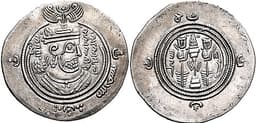
Muawiyah I
Emperor · Medieval
76.3Total
Basic Information
Born
1282
602
Died
1347
680
Era
Medieval
Medieval
Nationality
Holy Roman Empire
Umayyad Caliphate
Occupation
Emperor
Emperor
Civilization
Western
Middle Eastern
Score Comparison
Military (10%)
10.0
76.0
Political (20%)
45.1
75.0
Influence (20%)
52.5
75.0
Legacy (20%)
45.8
80.0
Leadership (15%)
65.7
78.0
Strategy (15%)
43.3
70.0
TOTAL
46.5
76.3
Louis IV — Complete Timeline
1314 AD
Elected King of GermanyPolitical Action◆ Major
Louis IV of Bavaria was elected King of Germany by a faction of prince-electors, opposing Frederick the Fair. This election was part of a double election that led to a civil war between the Wittelsbach and Habsburg dynasties.
ElectionWittelsbachDouble Election
Impact: regional
1322 AD
Defeated Frederick the Fair at the Battle of MühldorfWar◆ Major
Louis IV of Bavaria defeated Frederick the Fair at the Battle of M
BattleWittelsbachVictory
Impact: regional
1328 AD
Crowned Holy Roman Emperor by the Roman PeoplePolitical Action
Louis IV of Bavaria was crowned Holy Roman Emperor in Rome by the Roman people, defying Pope John XXII who had excommunicated him. This act asserted imperial authority over the Papacy and led to a prolonged conflict with the Avignon Papacy.
CoronationPapal ConflictImperial Authority
Impact: global
1338 AD
Issued the Declaration of RhensePolitical Action◆ Major
Louis IV of Bavaria issued the Declaration of Rhense, which stated that the German king's election by the prince-electors alone conferred imperial authority without papal approval. This declaration strengthened the independence of the Holy Roman Empire from the Papacy.
DeclarationImperial IndependencePapacy
Impact: regionalconstructive
Muawiyah I — Complete Timeline
640 AD
Governorship of SyriaPolitical Action◆ Major
Muawiyah I was appointed governor of Syria by Caliph Umar. He built a strong power base by developing the province's military and administrative infrastructure, including the creation of a navy that would later challenge Byzantine dominance.
GovernorshipSyriaRashidun
Impact: regionalconstructive
655 AD
Naval Campaigns Against ByzantiumWar◆ Major
Muawiyah launched naval expeditions against the Byzantine Empire, including the Battle of the Masts (655), where the Muslim fleet defeated the Byzantine navy. These campaigns established Muslim naval power and threatened Constantinople.
Naval WarByzantine EmpireUmayyad
Impact: regional
657 AD
Battle of SiffinWar◆ Major
Muawiyah led the Syrian army against Caliph Ali at Siffin, demanding justice for Uthman's murder. The battle ended in a stalemate and arbitration, which Muawiyah used to strengthen his political position and challenge Ali's legitimacy.
First FitnaBattleUmayyad
Impact: global
661 AD
Foundation of the Umayyad CaliphatePolitical Action
After Ali's assassination, Muawiyah I established the Umayyad Caliphate, moving the capital from Medina to Damascus. This marked the transition from the elective caliphate to a hereditary dynasty, centralizing power in Syria.
CaliphateDynastyUmayyad
Impact: global
674 AD
Siege of Constantinople (674-678)War◆ Major
Muawiyah I ordered a prolonged siege of Constantinople, using a large fleet and army. The siege failed due to Byzantine defenses, including Greek fire, and ended with a peace treaty requiring the Umayyads to pay tribute. It was a rare setback.
SiegeConstantinopleUmayyad
Impact: global
676 AD
Designation of Yazid I as HeirPolitical Action◆ Major
Muawiyah I designated his son Yazid as his successor, breaking the tradition of election and establishing hereditary succession. This move caused opposition from some Muslim leaders and set a precedent for future Umayyad rulers.
SuccessionHereditaryUmayyad
Impact: global
Expert Analysis
Origins
Louis IV of Bavaria (born 1282) was the son of Duke Louis II of Upper Bavaria and Matilda of Habsburg. Raised in the Wittelsbach court, he received a traditional education suited for a medieval noble. His early years were marked by family conflicts over inheritance, as the Wittelsbach lands were divided among brothers. Louis emerged as a capable administrator, inheriting Upper Bavaria in 1301 after his father's death. His formative experiences included navigating the complex politics of the Holy Roman Empire, where papal influence and princely rivalries shaped his worldview.
Muawiyah I (born 602) was born into the Umayyad clan of the Quraysh tribe in Mecca. His father, Abu Sufyan, was a leading merchant and a prominent opponent of the Prophet Muhammad until the conquest of Mecca. Muawiyah embraced Islam in 630 after the city's surrender. He served as a scribe for the Quran and later as a commander in the Syrian campaigns under Caliph Umar. His early military and administrative roles in Syria, beginning with his appointment as governor in 639, provided him with a strong power base. Muawiyah's background in trade and tribal leadership equipped him with diplomatic and strategic skills.
Rise to Power
Louis IV's rise began with his election as King of Germany in 1314, a contested election that led to a double monarchy with Frederick the Fair of Habsburg. The ensuing civil war lasted until 1322, when Louis defeated Frederick at the Battle of Mühldorf. This victory secured his rule, but papal opposition intensified. Pope John XXII excommunicated Louis in 1324 for assuming royal authority without papal approval. In 1328, Louis marched to Rome and was crowned Holy Roman Emperor by the Roman people, an act that defied the Pope and asserted imperial independence. He later issued the Declaration of Rhense (1338), affirming that the German king's election alone conferred imperial authority.
Muawiyah I rose to power through his governorship of Syria (639-656). He built a loyal army and efficient administration, using revenues from trade and agriculture. His opportunity came after the assassination of Caliph Uthman in 656. Muawiyah, as Uthman's kinsman, demanded justice and refused to recognize Caliph Ali. The resulting conflict culminated in the Battle of Siffin (657), where Muawiyah's forces fought Ali's to a stalemate. Muawiyah's strategic move to raise copies of the Quran on spears led to arbitration, which split Ali's supporters. After Ali's assassination in 661, Muawiyah secured the caliphate and founded the Umayyad dynasty, moving the capital to Damascus.
Leadership & Governance
Louis IV's leadership was defined by his struggle against papal supremacy. He relied on the support of the German princes, the Franciscan order, and the city of Rome. His governance focused on consolidating imperial authority, issuing legal declarations, and patronizing the arts. However, his power was limited by the feudal structure of the Holy Roman Empire; he could not command the resources of a centralized state. His military score of 10.0 reflects his lack of major conquests, though his political score of 45.1 indicates some diplomatic success.
Muawiyah I was a pragmatic and centralized ruler. He reformed the caliphate's administration, establishing a hereditary succession (appointing his son Yazid). He developed a strong navy, enabling naval campaigns against Byzantium, including the Battle of the Masts (655) and the Siege of Constantinople (674-678). His leadership score of 78.0 and political score of 75.0 reflect his effective governance and strategic acumen. Muawiyah's strategy score of 70.0 shows his ability to combine military and diplomatic means.
Triumph & Tragedy
Louis IV's greatest success was his defiance of the papacy and the Declaration of Rhense, which strengthened imperial autonomy. He also emerged victorious from the civil war against Frederick the Fair. However, his reign was marred by constant conflict with the Pope, which limited his ability to consolidate power. His failure to secure a stable succession led to the eventual decline of the Wittelsbach influence in imperial politics. His legacy score of 45.8 reflects his limited long-term impact.
Muawiyah I's triumph was founding the Umayyad Caliphate, which expanded Islamic rule from Spain to India. His establishment of a hereditary dynasty ensured political stability for nearly a century. His military campaigns, especially the naval expeditions, marked the first major Muslim naval power. However, his greatest failure was the controversial succession of his son Yazid, which led to the Battle of Karbala (680) and the enduring Shia-Sunni split. His legacy score of 80.0 indicates his profound and lasting impact.
Character & Destiny
Louis IV was determined and principled, but his rigid stance against papal authority isolated him. He was a capable administrator but lacked the military prowess to expand his realm. His character led to a reign of conflict rather than consolidation, and his death in 1347 left the empire in disarray.
Muawiyah I was cunning, patient, and pragmatic. He was known for his clemency and political acumen, often using diplomacy over force. His decision to appoint his son as heir was a strategic move to preserve his dynasty, but it came at a moral cost that tarnished his legacy. His character shaped the Umayyad Caliphate into a powerful, centralized state.
Legacy
Louis IV's legacy is largely symbolic: his assertion of imperial authority over the papacy influenced later constitutional debates in the Holy Roman Empire. However, his immediate achievements were undone by his successors. His overall score of 46.5 places him as a minor figure in medieval history.
Muawiyah I's legacy is monumental. He transformed the Islamic world from a theocratic caliphate into a hereditary Arab kingdom, established a capital at Damascus, and laid the foundations for the Umayyad Empire. His administrative reforms, including the introduction of a postal service and a centralized treasury, endured. His influence score of 75.0 and legacy score of 80.0 confirm his status as a major historical figure.
Conclusion
Comparing Louis IV and Muawiyah I reveals a stark contrast in impact. Louis IV, with a total score of 46.5, was a medieval emperor who struggled against papal power but achieved little lasting change. Muawiyah I, scoring 76.3, founded a dynasty that shaped Islamic civilization for centuries. While both faced opposition, Muawiyah's strategic vision and administrative reforms created a lasting empire, whereas Louis IV's defiance was ultimately ephemeral. Muawiyah I had greater impact, as evidenced by his higher scores across all dimensions.
Rankings
🥇
Muawiyah ILeader
Mil: 76.0Pol: 75.0Inf: 75.0
76.3
🥈
Louis IV
Mil: 10.0Pol: 45.1Inf: 52.5
46.5
+29.8 behind
How This Comparison Works
Algorithm
Each figure is scored on 6 dimensions (0—100 scale) based on structured historical data: Military (10%), Political (20%), Influence (20%), Legacy (20%), Leadership (15%), Strategy (15%). The weighted total produces the final ranking.
Data Sources
Scores are computed from structured sub-indicators in the database. Scale factors adjust for era (Ancient ×0.85, Modern ×1.0) and civilization size (Eastern ×1.05, Other ×0.80) to account for differences in population and military scale.
Maximum 3 Figures
Comparisons are limited to 2—3 figures to ensure readability and statistical meaningfulness.
Error Margins
±5 points per dimension — Sub-scores are derived from historical records with inherent uncertainty. Two figures within 5 points on a dimension should be considered roughly equivalent in that area.
Total Score Accuracy
±3 points overall — The weighted combination of 6 dimensions produces a total score with approximately ±3 points of uncertainty. Differences of less than 3 points are not statistically significant— the figures are effectively tied.
Known Limitations
- Historical records are incomplete and uneven across civilizations
- Figures from oral-tradition societies may be underrepresented
- Occupation labels can misclassify multi-role figures
- Scores measure capability and impact, not moral character
- Quantitative scoring is a comparison tool, not absolute truth
Capability Radar
Military (10%) — Battles & Warfare
Battles
45
75
Win Rate
40
80
Expansion
35
85
Political (20%) — Governance & Reform
Reform
40
90
Diplomacy
50
95
Economy
35
85
Influence (20%) — Cultural & Global Reach
Cultural
30
75
Global
25
75
Legacy (20%) — Historical Impact
Historical
45
85
Longevity
30
80
Leadership (15%) — Power & Stability
Tenure
55
85
Stability
30
80
Strategy (15%) — Tactics & Innovation
Strategy
40
85
Tactics
35
70
Reform
30
80
Similar Comparisons
Comments & Discussion
No comments yet. Be the first to share your thoughts!