Loading...
Hulegu Khan vs Peter I of Cyprus
Hulegu Khan leads by 18.6 pts · 2 figures compared
…
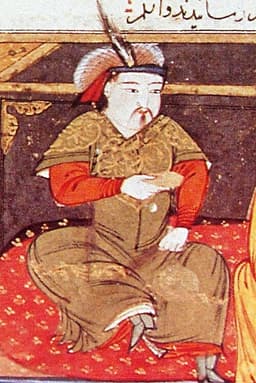
Hulegu Khan
Emperor · Medieval
64.3Total
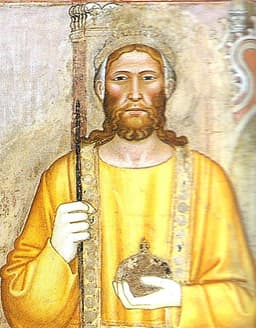
Peter I of Cyprus
Emperor · Medieval
45.7Total
Basic Information
Born
1217
1328
Died
1265
1369
Era
Medieval
Medieval
Nationality
Ilkhanate
Cyprus
Occupation
Emperor
Emperor
Civilization
Middle Eastern
Western
Score Comparison
Military (10%)
85.0
20.0
Political (20%)
45.0
40.8
Influence (20%)
68.0
52.5
Legacy (20%)
55.0
42.5
Leadership (15%)
72.0
51.9
Strategy (15%)
75.0
60.0
TOTAL
64.3
45.7
Hulegu Khan — Complete Timeline
1256 AD
Destruction of the Ismaili FortressesWar◆ Major
Hulagu's army captured and destroyed the mountain fortresses of the Nizari Ismailis (Assassins), including Alamut. The Ismaili state was effectively eliminated, and their library and treasures were burned. This removed a major political and military force in Persia.
Mongol ConquestIsmailisAlamut
Impact: regionaldestructive
Founding of the IlkhanatePolitical Action◆ Major
Hulagu established the Ilkhanate as a Mongol khanate in Persia, with his capital at Maragheh. The state encompassed modern Iran, Iraq, Azerbaijan, and parts of Turkey and Syria, and it became a major power in the Middle East.
Mongol EmpireIlkhanatePersia
Impact: regional
1258 AD
Destruction of BaghdadWar
Hulagu's Mongol army besieged and sacked Baghdad, the capital of the Abbasid Caliphate. The city was systematically destroyed, with estimates of 100,000 to 1 million civilians killed. The last Abbasid caliph, Al-Musta'sim, was executed, ending the Islamic Golden Age.
Mongol ConquestBaghdadAbbasid Caliphate
Impact: globaldestructive
1260 AD
Battle of Ain JalutWar
Hulagu's forces, led by general Kitbuqa, were defeated by the Mamluk Sultanate at Ain Jalut in Palestine. This was the first major Mongol defeat in the Middle East, halting Mongol expansion into Syria and Egypt. Hulagu was unable to reinforce due to the Berke
Mongol DefeatMamluk SultanateSyria
Impact: regionaltragic
1262 AD
War with BerkeWar◆ Major
Hulagu fought a war against his cousin Berke, Khan of the Golden Horde, after Berke converted to Islam and opposed the destruction of Baghdad. The war involved battles in the Caucasus and weakened both khanates, preventing further Mongol expansion westward.
Mongol Civil WarCaucasusGolden Horde
Impact: regionaldestructive
Peter I of Cyprus — Complete Timeline
1361 AD
Capture of AdaliaWar
Peter I captured the city of Adalia (Antalya) on the Anatolian coast from the Hamidid Turks. This victory gave Cyprus a foothold in Asia Minor and boosted Peter's reputation as a crusader king.
CrusadesConquestAnatolia
Impact: regional
1362 AD
Crusade of Peter IPolitical Action◆ Major
Peter I traveled across Europe to promote a new crusade, visiting Avignon, Paris, and London. He secured promises of support from Pope Urban V and various monarchs, though the actual military response was limited.
CrusadesDiplomacyEurope
Impact: regionalconstructive
1365 AD
Sack of AlexandriaWar◆ Major
Peter I led a Crusader fleet to Egypt and sacked the city of Alexandria. The attack was a brutal raid that resulted in massive destruction and loss of life, but failed to hold the city or achieve lasting strategic gains.
CrusadesSackAlexandriaEgypt
Impact: regionaldestructive
1369 AD
AssassinationPolitical Action◆ Major
Peter I was assassinated in his bed in Nicosia by a group of Cypriot nobles. The murder was motivated by his heavy taxation, autocratic rule, and the financial strain of his crusading campaigns.
CyprusAssassinationNobility
Impact: regionaltragic
Expert Analysis
Origins
Hulegu Khan (c. 1217–1265) was a grandson of Genghis Khan and brother of Kublai Khan. Born into the Mongol imperial family, he was raised in the tradition of steppe warfare and shamanistic beliefs. His early life was shaped by the Mongol conquests under his grandfather and father, Tolui. Hulegu received a military education and was entrusted with command at a young age.
Peter I of Cyprus (1328–1369) was born into the Lusignan dynasty, rulers of the Crusader Kingdom of Cyprus. He was the son of King Hugh IV and inherited a kingdom that was a remnant of the Crusader states. Educated in the chivalric traditions of Western Europe, Peter was deeply influenced by the ideals of crusading and sought to revive the Crusader spirit. His early years were marked by the decline of Frankish power in the Levant and the growing threat from the Mamluks.
Rise to Power
Hulegu rose to prominence when his brother, the Great Khan Möngke, tasked him with expanding Mongol control into the Islamic heartlands. In 1253, Hulegu was given command of a massive Mongol army, estimated at 150,000 men. His first major campaign was against the Nizari Ismailis (Assassins) in Persia. Over the course of 1256, Hulegu systematically captured and destroyed their fortresses, including the legendary Alamut. This campaign eliminated a major political and military force in the region and demonstrated Hulegu's strategic abilities.
Peter I became king of Cyprus in 1358 after his father's abdication. Unlike Hulegu, Peter's rise was a matter of hereditary succession. However, he actively sought to assert his authority and pursue his crusading ambitions. In 1362, he embarked on a tour of Europe to rally support for a new crusade, visiting the Pope at Avignon, King John II of France, and King Edward III of England. He secured promises of men and money, though actual support was limited. His diplomatic efforts elevated his status among European monarchs.
Leadership & Governance
Hulegu ruled the Ilkhanate as a Mongol khan, relying on a combination of military force and administrative structures inherited from the conquered peoples. He employed Persian bureaucrats like the historian Juvayni to manage the state. His governance was characterized by tolerance toward Christianity (his mother was a Nestorian Christian) but harshness toward Muslims, especially after the sack of Baghdad. He established his capital at Maragheh in modern Iran and promoted cultural and scientific exchange, building an observatory.
Peter I ruled Cyprus as a feudal monarchy, heavily taxing his subjects to fund his crusading ventures. His government was autocratic and unpopular among the nobility. He imposed new taxes and requisitioned goods, leading to resentment. His style of leadership was that of a crusader king, prioritizing military campaigns over domestic governance. He did not implement significant administrative reforms, and his rule was marked by growing opposition from the Cypriot barons.
Triumph & Tragedy
Hulegu's greatest triumph was the destruction of Baghdad in 1258, which ended the Abbasid Caliphate and shocked the Islamic world. The city was systematically sacked, with estimates of 100,000 to 1,000,000 killed. This victory secured his reputation as a fearsome conqueror. However, his greatest failure was the defeat at the Battle of Ain Jalut in 1260, where his general Kitbuqa was routed by the Mamluks. This defeat marked the first major Mongol reversal and halted their expansion into Syria and Egypt. Additionally, his war with his cousin Berke of the Golden Horde over religious differences strained Mongol unity.
Peter I's triumph was the sack of Alexandria in 1365, where he led a Crusader fleet of 165 ships and captured the city. The raid resulted in massive destruction and the capture of thousands of slaves. It was one of the last major Crusader victories. However, his tragedy was his assassination in 1369 by Cypriot nobles. The murder was motivated by his heavy taxation, autocratic rule, and the financial strain of his campaigns. His death ended the Crusader kingdom's most aggressive phase.
Character & Destiny
Hulegu was a determined and ruthless military commander, capable of great cruelty but also political calculation. His decision to spare the Christian population of Baghdad while slaughtering Muslims reflected his religious biases. His character was shaped by the Mongol tradition of conquest and his family's expectations. His destiny was to found a dynasty, the Ilkhanate, which lasted until 1335. However, his inability to consolidate control over Syria and his conflict with Berke limited his long-term impact.
Peter I was idealistic and driven by a crusading zeal that was out of step with the realities of the 14th century. He was charismatic but impractical, focusing on grandiose projects without securing domestic support. His assassination was a direct result of his autocratic style and financial demands. Historians rate his military leadership at 20.0 and political skill at 40.8, reflecting his inability to maintain power.
Legacy
Hulegu's legacy is profound: he destroyed the Abbasid Caliphate, a center of Islamic civilization, and established Mongol rule over Persia. The Ilkhanate became a conduit for cultural exchange between East and West, and its conversion to Islam under later khans shaped the region's history. His campaigns also demonstrated the vulnerability of sedentary empires to nomadic armies. His scores of 68.0 in influence and 55.0 in legacy reflect his lasting impact.
Peter I's legacy is more modest: he is remembered as a crusader king who briefly revived the spirit of the Crusades. The sack of Alexandria was a significant but temporary victory. His assassination and the subsequent decline of Cyprus under his successors limited his influence. His scores of 52.5 in influence and 42.5 in legacy indicate a smaller footprint. He is a footnote in the history of the Crusades.
Conclusion
Hulegu Khan had a far greater impact than Peter I of Cyprus. His total score of 64.3 compared to Peter's 45.7 reflects his superior military, strategic, and leadership abilities. Hulegu's destruction of Baghdad and founding of the Ilkhanate changed the course of Middle Eastern history, while Peter's sack of Alexandria was a fleeting success. Hulegu's legacy endures in the geopolitical landscape of the region, whereas Peter's is a cautionary tale of overreach. The Mongol conqueror clearly surpasses the Crusader king in historical significance.
Rankings
🥇
Hulegu KhanLeader
Mil: 85.0Pol: 45.0Inf: 68.0
64.3
🥈
Peter I of Cyprus
Mil: 20.0Pol: 40.8Inf: 52.5
45.7
+18.6 behind
How This Comparison Works
Algorithm
Each figure is scored on 6 dimensions (0—100 scale) based on structured historical data: Military (10%), Political (20%), Influence (20%), Legacy (20%), Leadership (15%), Strategy (15%). The weighted total produces the final ranking.
Data Sources
Scores are computed from structured sub-indicators in the database. Scale factors adjust for era (Ancient ×0.85, Modern ×1.0) and civilization size (Eastern ×1.05, Other ×0.80) to account for differences in population and military scale.
Maximum 3 Figures
Comparisons are limited to 2—3 figures to ensure readability and statistical meaningfulness.
Error Margins
±5 points per dimension — Sub-scores are derived from historical records with inherent uncertainty. Two figures within 5 points on a dimension should be considered roughly equivalent in that area.
Total Score Accuracy
±3 points overall — The weighted combination of 6 dimensions produces a total score with approximately ±3 points of uncertainty. Differences of less than 3 points are not statistically significant— the figures are effectively tied.
Known Limitations
- Historical records are incomplete and uneven across civilizations
- Figures from oral-tradition societies may be underrepresented
- Occupation labels can misclassify multi-role figures
- Scores measure capability and impact, not moral character
- Quantitative scoring is a comparison tool, not absolute truth
Capability Radar
Military (10%) — Battles & Warfare
Battles
85
45
Win Rate
80
40
Expansion
90
40
Political (20%) — Governance & Reform
Reform
70
35
Diplomacy
65
45
Economy
60
30
Influence (20%) — Cultural & Global Reach
Cultural
60
30
Global
75
25
Legacy (20%) — Historical Impact
Historical
80
35
Longevity
65
20
Leadership (15%) — Power & Stability
Tenure
75
40
Stability
55
25
Strategy (15%) — Tactics & Innovation
Strategy
85
50
Tactics
88
55
Reform
70
30
Similar Comparisons
Comments & Discussion
No comments yet. Be the first to share your thoughts!