Loading...
Analysis will be generated on first visit.
Scores and timeline are available below. The page will refresh automatically when ready.
Herod the Great vs Julius Caesar
Julius Caesar leads by 18.3 pts · 2 figures compared
…
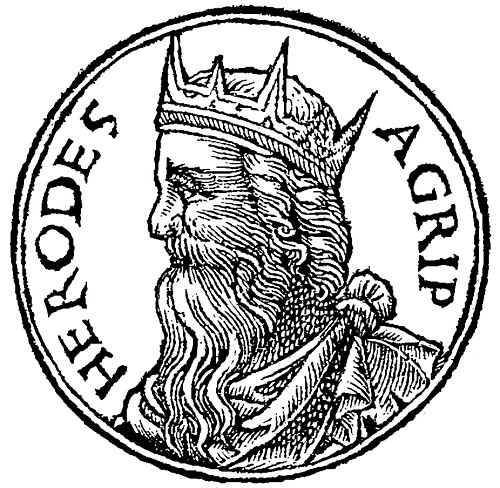
Herod the Great
Emperor · Ancient
65.0Total
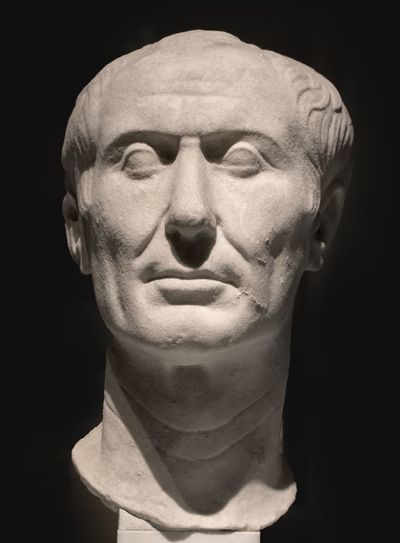
Julius Caesar
General · Ancient
83.3Total
Basic Information
Born
-72
-100
Died
-4
-44
Era
Ancient
Ancient
Nationality
Judea
Roman Republic
Occupation
Emperor
General
Civilization
Middle Eastern
Western
Score Comparison
Military (10%)
31.4
88.0
Political (20%)
75.9
78.0
Influence (20%)
72.5
85.0
Legacy (20%)
67.5
82.0
Leadership (15%)
82.2
82.0
Strategy (15%)
42.6
88.0
TOTAL
65.0
83.3
Rankings
🥇
Julius CaesarLeader
Mil: 88.0Pol: 78.0Inf: 85.0
83.3
🥈
Herod the Great
Mil: 31.4Pol: 75.9Inf: 72.5
65.0
+18.3 behind
How This Comparison Works
Algorithm
Each figure is scored on 6 dimensions (0—100 scale) based on structured historical data: Military (10%), Political (20%), Influence (20%), Legacy (20%), Leadership (15%), Strategy (15%). The weighted total produces the final ranking.
Data Sources
Scores are computed from structured sub-indicators in the database. Scale factors adjust for era (Ancient ×0.85, Modern ×1.0) and civilization size (Eastern ×1.05, Other ×0.80) to account for differences in population and military scale.
Maximum 3 Figures
Comparisons are limited to 2—3 figures to ensure readability and statistical meaningfulness.
Error Margins
±5 points per dimension — Sub-scores are derived from historical records with inherent uncertainty. Two figures within 5 points on a dimension should be considered roughly equivalent in that area.
Total Score Accuracy
±3 points overall — The weighted combination of 6 dimensions produces a total score with approximately ±3 points of uncertainty. Differences of less than 3 points are not statistically significant— the figures are effectively tied.
Known Limitations
- Historical records are incomplete and uneven across civilizations
- Figures from oral-tradition societies may be underrepresented
- Occupation labels can misclassify multi-role figures
- Scores measure capability and impact, not moral character
- Quantitative scoring is a comparison tool, not absolute truth
Capability Radar
Military (10%) — Battles & Warfare
Battles
45
95
Win Rate
50
92
Expansion
35
97
Political (20%) — Governance & Reform
Reform
75
90
Diplomacy
80
85
Economy
70
82
Influence (20%) — Cultural & Global Reach
Cultural
65
88
Global
60
94
Legacy (20%) — Historical Impact
Historical
70
95
Longevity
75
96
Leadership (15%) — Power & Stability
Tenure
70
75
Stability
55
60
Strategy (15%) — Tactics & Innovation
Strategy
60
94
Tactics
55
96
Reform
40
88
Analysis will be generated on first visit.
Scores and timeline are available below. The page will refresh automatically when ready.
Herod the Great — Complete Timeline
40 BC
Appointment as King of Judea by the Roman SenatePolitical Action◆ Major
Herod was appointed King of Judea by the Roman Senate, with the support of Mark Antony and Octavian. He was tasked with restoring order in the region, which was plagued by Parthian invasions and internal strife. This marked the beginning of his reign.
AppointmentRoman SupportKingship
Impact: regional
37 BC
Conquest of JerusalemWar◆ Major
Herod, with Roman military assistance, captured Jerusalem from the Hasmonean ruler Antigonus II Mattathias. The siege lasted several months and resulted in the execution of Antigonus. Herod solidified his control over Judea and established the Herodian dynasty.
ConquestSiegeHasmonean Dynasty
Impact: regionaldestructive
22 BC
Construction of Caesarea MaritimaCultural◆ Major
Herod built the city of Caesarea Maritima on the Mediterranean coast, complete with a deep-sea harbor, aqueducts, a hippodrome, and a temple to Augustus. The city became the administrative capital of Roman Judea and a major port.
Urban DevelopmentPort CityRoman Architecture
Impact: regionalconstructive
20 BC
Rebuilding of the Second TempleCultural
Herod initiated a massive renovation and expansion of the Second Temple in Jerusalem. The project, known as Herod's Temple, transformed the site into one of the largest and most magnificent religious structures in the ancient world. It became a central symbol of Jewish worship.
Temple RenovationArchitectureJewish Worship
Impact: regionalconstructive
7 BC
Execution of His SonsPolitical Action◆ Major
Herod executed his sons Alexander and Aristobulus, who were heirs to the throne, on charges of conspiracy. He also executed his son Antipater later. These executions were part of a pattern of paranoia and brutal suppression of perceived threats within his family.
ExecutionFamily ConflictSuccession Crisis
Impact: regionaltragic
Similar Comparisons
Comments & Discussion
No comments yet. Be the first to share your thoughts!