Loading...
Analysis will be generated on first visit.
Scores and timeline are available below. The page will refresh automatically when ready.
Habib Bourguiba vs Napoleon Bonaparte
Napoleon Bonaparte leads by 16.3 pts · 2 figures compared
…
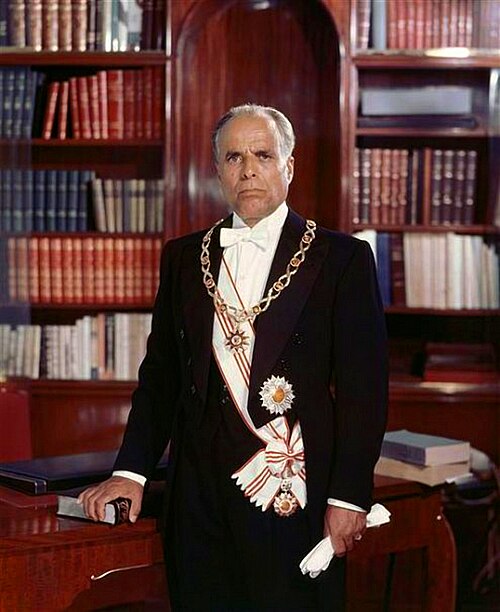
Habib Bourguiba
Politician · Modern
66.1Total
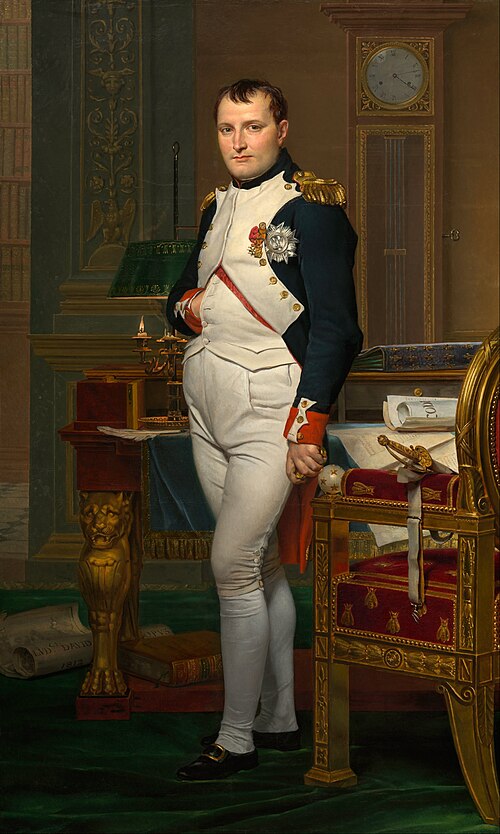
Napoleon Bonaparte
General · Modern
82.4Total
Basic Information
Born
1903
1769
Died
2000
1821
Era
Modern
Modern
Nationality
Tunisia
France
Occupation
Politician
General
Civilization
Middle Eastern
Western
Score Comparison
Military (10%)
24.7
94.0
Political (20%)
80.0
75.0
Influence (20%)
68.4
82.0
Legacy (20%)
65.3
78.0
Leadership (15%)
83.3
80.0
Strategy (15%)
56.0
93.0
TOTAL
66.1
82.4
Rankings
🥇
Napoleon BonaparteLeader
Mil: 94.0Pol: 75.0Inf: 82.0
82.4
🥈
Habib Bourguiba
Mil: 24.7Pol: 80.0Inf: 68.4
66.1
+16.3 behind
How This Comparison Works
Algorithm
Each figure is scored on 6 dimensions (0—100 scale) based on structured historical data: Military (10%), Political (20%), Influence (20%), Legacy (20%), Leadership (15%), Strategy (15%). The weighted total produces the final ranking.
Data Sources
Scores are computed from structured sub-indicators in the database. Scale factors adjust for era (Ancient ×0.85, Modern ×1.0) and civilization size (Eastern ×1.05, Other ×0.80) to account for differences in population and military scale.
Maximum 3 Figures
Comparisons are limited to 2—3 figures to ensure readability and statistical meaningfulness.
Error Margins
±5 points per dimension — Sub-scores are derived from historical records with inherent uncertainty. Two figures within 5 points on a dimension should be considered roughly equivalent in that area.
Total Score Accuracy
±3 points overall — The weighted combination of 6 dimensions produces a total score with approximately ±3 points of uncertainty. Differences of less than 3 points are not statistically significant— the figures are effectively tied.
Known Limitations
- Historical records are incomplete and uneven across civilizations
- Figures from oral-tradition societies may be underrepresented
- Occupation labels can misclassify multi-role figures
- Scores measure capability and impact, not moral character
- Quantitative scoring is a comparison tool, not absolute truth
Capability Radar
Military (10%) — Battles & Warfare
Battles
5
95
Win Rate
5
90
Expansion
5
95
Political (20%) — Governance & Reform
Reform
90
95
Diplomacy
85
80
Economy
75
85
Influence (20%) — Cultural & Global Reach
Cultural
70
85
Global
65
90
Legacy (20%) — Historical Impact
Historical
75
95
Longevity
65
90
Leadership (15%) — Power & Stability
Tenure
85
85
Stability
70
70
Strategy (15%) — Tactics & Innovation
Strategy
5
95
Tactics
5
98
Reform
10
92
Analysis will be generated on first visit.
Scores and timeline are available below. The page will refresh automatically when ready.
Habib Bourguiba — Complete Timeline
1956 AD
Code of Personal StatusReform◆ Major
Bourguiba enacted the Code of Personal Status, a progressive family law that abolished polygamy, established legal minimum age for marriage, and granted women rights to divorce and custody. This reform was unprecedented in the Arab world and modernized Tunisian society.
Women's RightsLegal ReformSocial Change
Impact: nationalprogressive
Tunisian IndependencePolitical Action
Habib Bourguiba led Tunisia to independence from France through a combination of political negotiation and nationalist pressure. He became the first Prime Minister of independent Tunisia, ending 75 years of French protectorate rule.
IndependenceDecolonizationNationalism
Impact: nationalconstructive
1957 AD
Proclamation of the RepublicPolitical Action◆ Major
Bourguiba abolished the Tunisian monarchy and proclaimed the Republic of Tunisia, with himself as President. This move consolidated his power and established a presidential system that would dominate Tunisian politics for decades.
RepublicConstitutional ChangePresidency
Impact: national
1961 AD
Bizerte CrisisWar◆ Major
Bourguiba demanded the evacuation of the French naval base at Bizerte. When negotiations failed, Tunisian forces blockaded the base, leading to a violent confrontation with French troops. The crisis resulted in hundreds of Tunisian casualties and strained Franco-Tunisian relations.
ConflictDecolonizationBizerte
Impact: regionaltragic
1987 AD
Removal from PowerPolitical Action◆ Major
Prime Minister Zine El Abidine Ben Ali removed Bourguiba from office in a bloodless coup, citing his failing health and inability to govern. Bourguiba was placed under house arrest, ending his 30-year presidency and his role as Tunisia's founding father.
CoupSuccessionBen Ali
Impact: nationaltragic
Similar Comparisons
Comments & Discussion
No comments yet. Be the first to share your thoughts!