Loading...
Analysis will be generated on first visit.
Scores and timeline are available below. The page will refresh automatically when ready.
Franz Joseph II vs Napoleon Bonaparte
Napoleon Bonaparte leads by 17.6 pts · 2 figures compared
…
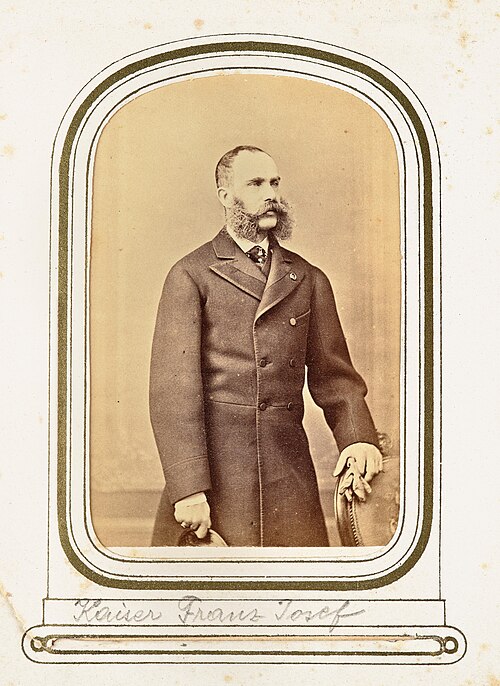
Franz Joseph II
Emperor · Modern
64.8Total
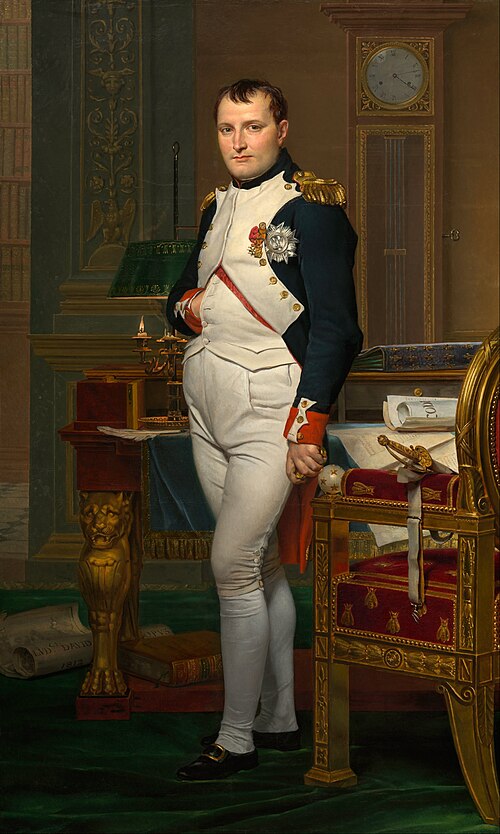
Napoleon Bonaparte
General · Modern
82.4Total
Basic Information
Born
1906
1769
Died
1989
1821
Era
Modern
Modern
Nationality
Liechtenstein
France
Occupation
Emperor
General
Civilization
Western
Western
Score Comparison
Military (10%)
45.0
94.0
Political (20%)
67.0
75.0
Influence (20%)
71.5
82.0
Legacy (20%)
59.5
78.0
Leadership (15%)
79.4
80.0
Strategy (15%)
58.9
93.0
TOTAL
64.8
82.4
Rankings
🥇
Napoleon BonaparteLeader
Mil: 94.0Pol: 75.0Inf: 82.0
82.4
🥈
Franz Joseph II
Mil: 45.0Pol: 67.0Inf: 71.5
64.8
+17.6 behind
How This Comparison Works
Algorithm
Each figure is scored on 6 dimensions (0—100 scale) based on structured historical data: Military (10%), Political (20%), Influence (20%), Legacy (20%), Leadership (15%), Strategy (15%). The weighted total produces the final ranking.
Data Sources
Scores are computed from structured sub-indicators in the database. Scale factors adjust for era (Ancient ×0.85, Modern ×1.0) and civilization size (Eastern ×1.05, Other ×0.80) to account for differences in population and military scale.
Maximum 3 Figures
Comparisons are limited to 2—3 figures to ensure readability and statistical meaningfulness.
Error Margins
±5 points per dimension — Sub-scores are derived from historical records with inherent uncertainty. Two figures within 5 points on a dimension should be considered roughly equivalent in that area.
Total Score Accuracy
±3 points overall — The weighted combination of 6 dimensions produces a total score with approximately ±3 points of uncertainty. Differences of less than 3 points are not statistically significant— the figures are effectively tied.
Known Limitations
- Historical records are incomplete and uneven across civilizations
- Figures from oral-tradition societies may be underrepresented
- Occupation labels can misclassify multi-role figures
- Scores measure capability and impact, not moral character
- Quantitative scoring is a comparison tool, not absolute truth
Capability Radar
Military (10%) — Battles & Warfare
Battles
39
95
Win Rate
37
90
Expansion
44
95
Political (20%) — Governance & Reform
Reform
40
95
Diplomacy
70
80
Economy
50
85
Influence (20%) — Cultural & Global Reach
Cultural
20
85
Global
30
90
Legacy (20%) — Historical Impact
Historical
30
95
Longevity
40
90
Leadership (15%) — Power & Stability
Tenure
70
85
Stability
80
70
Strategy (15%) — Tactics & Innovation
Strategy
43
95
Tactics
49
98
Reform
54
92
Analysis will be generated on first visit.
Scores and timeline are available below. The page will refresh automatically when ready.
Franz Joseph II — Complete Timeline
1938 AD
Accession as Prince of LiechtensteinPolitical Action◆ Major
Franz Joseph II became Prince of Liechtenstein at age 32, succeeding his great-uncle Franz I. He inherited a small, impoverished principality facing pressure from Nazi Germany and the threat of absorption into the Greater German Reich.
SuccessionMonarchy
Impact: national
1939 AD
Maintained Neutrality in World War IIPolitical Action◆ Major
Franz Joseph II kept Liechtenstein neutral throughout World War II, resisting pressure from Nazi Germany to join the Axis. He maintained diplomatic relations with both sides and protected the principality's sovereignty, though the country was economically dependent on Germany.
World War IINeutralityDiplomacy
Impact: nationalconstructive
1945 AD
Refugee Policy During World War IIPolitical Action
At the end of World War II, Franz Joseph II allowed approximately 500 Russian soldiers of the pro-German Russian Liberation Army to seek refuge in Liechtenstein. Despite Soviet demands for repatriation, he refused to extradite them, and most were eventually granted asylum in Argentina.
HumanitarianWorld War IIAsylum
Impact: nationalconstructive
1950 AD
Economic Modernization and IndustrializationReform◆ Major
Franz Joseph II oversaw Liechtenstein's transformation from a poor agricultural state into a wealthy industrial and financial center. He attracted foreign investment, developed the manufacturing sector, and established low-tax policies that made the principality a tax haven.
Economic DevelopmentIndustrializationTax Haven
Impact: nationalconstructive
1984 AD
Granted Women's SuffrageReform◆ Major
Franz Joseph II signed the law granting women the right to vote in national elections, following a referendum that narrowly passed. Liechtenstein was one of the last European countries to introduce women's suffrage, a reform the prince had supported.
Women's RightsSuffrageReform
Impact: nationalprogressive
Similar Comparisons
Comments & Discussion
No comments yet. Be the first to share your thoughts!