Loading...
Analysis will be generated on first visit.
Scores and timeline are available below. The page will refresh automatically when ready.
Emperor Jing of Han vs Julius Caesar
Julius Caesar leads by 15.8 pts · 2 figures compared
…
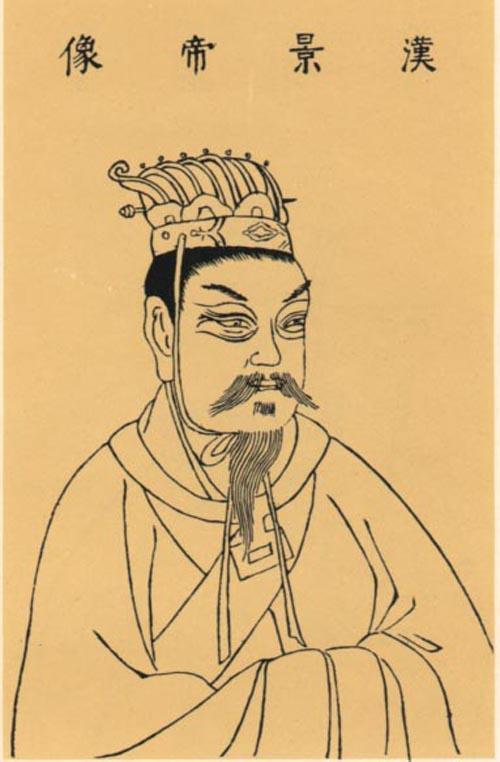
Emperor Jing of Han
Emperor · Ancient
67.5Total

Julius Caesar
General · Ancient
83.3Total
Basic Information
Born
-188
-100
Died
-141
-44
Era
Ancient
Ancient
Nationality
China
Roman Republic
Occupation
Emperor
General
Civilization
Eastern
Western
Score Comparison
Military (10%)
49.4
88.0
Political (20%)
67.9
78.0
Influence (20%)
74.8
85.0
Legacy (20%)
68.3
82.0
Leadership (15%)
75.8
82.0
Strategy (15%)
60.2
88.0
TOTAL
67.5
83.3
Rankings
🥇
Julius CaesarLeader
Mil: 88.0Pol: 78.0Inf: 85.0
83.3
🥈
Emperor Jing of Han
Mil: 49.4Pol: 67.9Inf: 74.8
67.5
+15.8 behind
How This Comparison Works
Algorithm
Each figure is scored on 6 dimensions (0—100 scale) based on structured historical data: Military (10%), Political (20%), Influence (20%), Legacy (20%), Leadership (15%), Strategy (15%). The weighted total produces the final ranking.
Data Sources
Scores are computed from structured sub-indicators in the database. Scale factors adjust for era (Ancient ×0.85, Modern ×1.0) and civilization size (Eastern ×1.05, Other ×0.80) to account for differences in population and military scale.
Maximum 3 Figures
Comparisons are limited to 2—3 figures to ensure readability and statistical meaningfulness.
Error Margins
±5 points per dimension — Sub-scores are derived from historical records with inherent uncertainty. Two figures within 5 points on a dimension should be considered roughly equivalent in that area.
Total Score Accuracy
±3 points overall — The weighted combination of 6 dimensions produces a total score with approximately ±3 points of uncertainty. Differences of less than 3 points are not statistically significant— the figures are effectively tied.
Known Limitations
- Historical records are incomplete and uneven across civilizations
- Figures from oral-tradition societies may be underrepresented
- Occupation labels can misclassify multi-role figures
- Scores measure capability and impact, not moral character
- Quantitative scoring is a comparison tool, not absolute truth
Capability Radar
Military (10%) — Battles & Warfare
Battles
40
95
Win Rate
60
92
Expansion
20
97
Political (20%) — Governance & Reform
Reform
60
90
Diplomacy
55
85
Economy
70
82
Influence (20%) — Cultural & Global Reach
Cultural
40
88
Global
30
94
Legacy (20%) — Historical Impact
Historical
55
95
Longevity
50
96
Leadership (15%) — Power & Stability
Tenure
65
75
Stability
50
60
Strategy (15%) — Tactics & Innovation
Strategy
55
94
Tactics
45
96
Reform
30
88
Analysis will be generated on first visit.
Scores and timeline are available below. The page will refresh automatically when ready.
Emperor Jing of Han — Complete Timeline
156 BC
Continuation of Tax ReductionsReform
Emperor Jing maintained the low tax rate of one-thirtieth set by his father, Emperor Wen, and further reduced labor service requirements. This policy sustained agricultural prosperity and popular support, contributing to the Rule of Wen and Jing.
Tax ReformAgricultureRule of Wen and Jing
Impact: nationalconstructive
154 BC
Suppression of the Rebellion of the Seven StatesWar
Seven feudal kingdoms led by Liu Pi of Wu rebelled against Emperor Jing's centralization policies. Emperor Jing appointed Zhou Yafu as commander, who defeated the rebels within three months. This victory crushed the power of the feudal lords and strengthened imperial authority.
RebellionCentralizationZhou Yafu
Impact: national
Execution of Chao CuoPolitical Action◆ Major
Emperor Jing ordered the execution of his advisor Chao Cuo to appease the rebelling seven states, despite Chao Cuo having advocated the centralization policies that triggered the rebellion. This act failed to stop the rebellion but demonstrated the emperor's willingness to sacrifice allies.
ExecutionPolitical SacrificeChao Cuo
Impact: nationaltragic
145 BC
Legal Code SimplificationReform
Emperor Jing ordered the simplification of the legal code, reducing the number of beatings in punishments and standardizing penalties. This reform aimed to prevent deaths from excessive beatings and continued the trend toward a more humane legal system begun by his father.
Legal ReformHumanitarianismPunishment
Impact: nationalprogressive
Similar Comparisons
Comments & Discussion
No comments yet. Be the first to share your thoughts!