Loading...
Analysis will be generated on first visit.
Scores and timeline are available below. The page will refresh automatically when ready.
Edward I Longshanks vs Napoleon Bonaparte
Napoleon Bonaparte leads by 11.7 pts · 2 figures compared
…
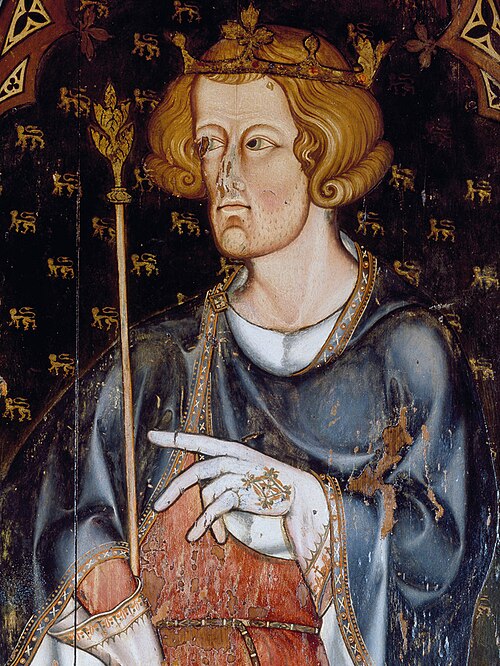
Edward I Longshanks
Emperor · Medieval
70.7Total
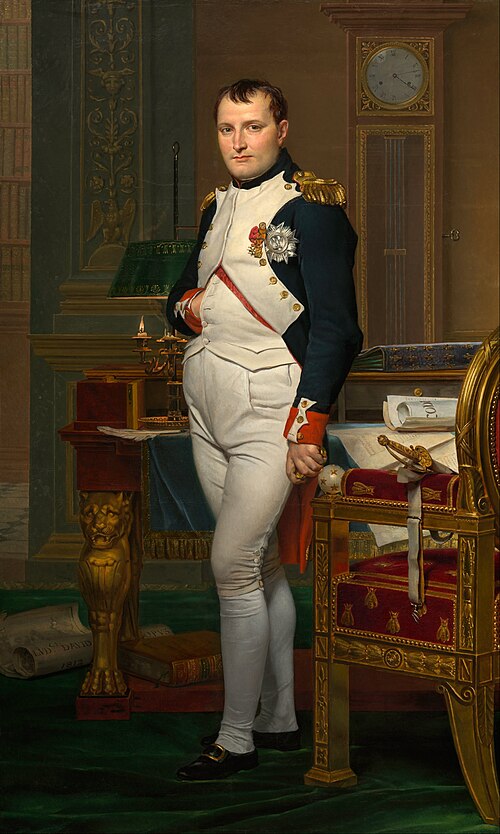
Napoleon Bonaparte
General · Modern
82.4Total
Basic Information
Born
1239
1769
Died
1307
1821
Era
Medieval
Modern
Nationality
England
France
Occupation
Emperor
General
Civilization
Western
Western
Score Comparison
Military (10%)
62.3
94.0
Political (20%)
76.2
75.0
Influence (20%)
72.7
82.0
Legacy (20%)
66.9
78.0
Leadership (15%)
79.6
80.0
Strategy (15%)
62.5
93.0
TOTAL
70.7
82.4
Rankings
🥇
Napoleon BonaparteLeader
Mil: 94.0Pol: 75.0Inf: 82.0
82.4
🥈
Edward I Longshanks
Mil: 62.3Pol: 76.2Inf: 72.7
70.7
+11.7 behind
How This Comparison Works
Algorithm
Each figure is scored on 6 dimensions (0—100 scale) based on structured historical data: Military (10%), Political (20%), Influence (20%), Legacy (20%), Leadership (15%), Strategy (15%). The weighted total produces the final ranking.
Data Sources
Scores are computed from structured sub-indicators in the database. Scale factors adjust for era (Ancient ×0.85, Modern ×1.0) and civilization size (Eastern ×1.05, Other ×0.80) to account for differences in population and military scale.
Maximum 3 Figures
Comparisons are limited to 2—3 figures to ensure readability and statistical meaningfulness.
Error Margins
±5 points per dimension — Sub-scores are derived from historical records with inherent uncertainty. Two figures within 5 points on a dimension should be considered roughly equivalent in that area.
Total Score Accuracy
±3 points overall — The weighted combination of 6 dimensions produces a total score with approximately ±3 points of uncertainty. Differences of less than 3 points are not statistically significant— the figures are effectively tied.
Known Limitations
- Historical records are incomplete and uneven across civilizations
- Figures from oral-tradition societies may be underrepresented
- Occupation labels can misclassify multi-role figures
- Scores measure capability and impact, not moral character
- Quantitative scoring is a comparison tool, not absolute truth
Capability Radar
Military (10%) — Battles & Warfare
Battles
75
95
Win Rate
70
90
Expansion
75
95
Political (20%) — Governance & Reform
Reform
65
95
Diplomacy
60
80
Economy
55
85
Influence (20%) — Cultural & Global Reach
Cultural
55
85
Global
50
90
Legacy (20%) — Historical Impact
Historical
70
95
Longevity
60
90
Leadership (15%) — Power & Stability
Tenure
70
85
Stability
50
70
Strategy (15%) — Tactics & Innovation
Strategy
80
95
Tactics
65
98
Reform
60
92
Analysis will be generated on first visit.
Scores and timeline are available below. The page will refresh automatically when ready.
Edward I Longshanks — Complete Timeline
1282 AD
Conquest of WalesWar◆ Major
Edward I launched a full-scale conquest of Wales, defeating Llywelyn ap Gruffudd at the Battle of Orewin Bridge. He built castles and imposed English rule, incorporating Wales into the English crown.
ConquestWalesCastles
Impact: regionaldestructive
1284 AD
Statute of RhuddlanPolitical Action◆ Major
Edward I issued the Statute of Rhuddlan, which annexed Wales to the English crown and introduced English common law. This formalized the conquest and established English administration in Wales.
LawAnnexationWales
Impact: regionalconstructive
1295 AD
Model ParliamentPolitical Action◆ Major
Edward I summoned the Model Parliament, which included representatives from the commons, clergy, and nobility. This assembly set a precedent for parliamentary representation and taxation consent.
ParliamentRepresentationTaxation
Impact: nationalconstructive
1296 AD
Scottish Wars of IndependenceWar◆ Major
Edward I invaded Scotland after the death of Margaret, Maid of Norway, claiming overlordship. He defeated the Scots at Dunbar, captured the Stone of Scone, and attempted to impose English rule, sparking a long war.
InvasionScotlandStone of Scone
Impact: regionaldestructive
1298 AD
Battle of FalkirkWar◆ Major
Edward I defeated William Wallace's Scottish army at the Battle of Falkirk. Using longbowmen and cavalry, he broke the Scottish schiltron formations, crushing the rebellion temporarily.
BattleScotlandWilliam Wallace
Impact: regional
Similar Comparisons
Comments & Discussion
No comments yet. Be the first to share your thoughts!