Loading...
Cyrus the Great vs Philip the Good
Cyrus the Great leads by 24.4 pts · 2 figures compared
…
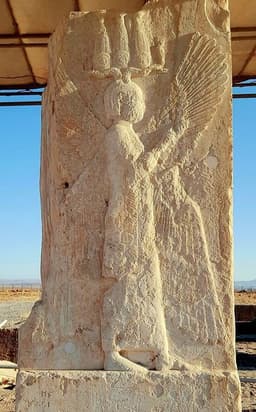
Cyrus the Great
Emperor · Ancient
83.9Total
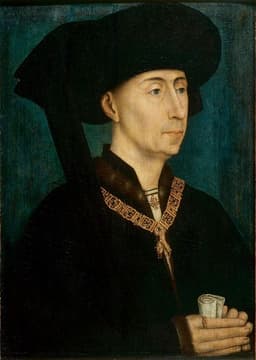
Philip the Good
Emperor · Medieval
59.5Total
Basic Information
Born
-600
1396
Died
-530
1467
Era
Ancient
Medieval
Nationality
Persia
Burgundy
Occupation
Emperor
Emperor
Civilization
Middle Eastern
Western
Score Comparison
Military (10%)
82.0
47.5
Political (20%)
85.0
62.7
Influence (20%)
85.0
56.7
Legacy (20%)
90.0
54.0
Leadership (15%)
78.0
78.0
Strategy (15%)
75.0
60.0
TOTAL
83.9
59.5
Cyrus the Great — Complete Timeline
550 BC
Founding of the Achaemenid EmpirePolitical Action
Cyrus led a rebellion against the Median Empire, defeating King Astyages and capturing Ecbatana. He then united the Persian and Median tribes, establishing the Achaemenid Empire, which became the largest empire the world had yet seen.
Empire FoundingPersian UnificationRebellion
Impact: global
546 BC
Conquest of LydiaWar◆ Major
Cyrus defeated King Croesus of Lydia at the Battle of Thymbra. The Lydian capital Sardis was captured, and Croesus was taken prisoner. This conquest brought Anatolia under Persian control and secured access to the Aegean coast.
Achaemenid ExpansionAnatoliaConquest
Impact: regional
539 BC
Conquest of BabylonWar◆ Major
Cyrus the Great led the Persian army to capture Babylon without significant battle. The city's gates were opened, and Cyrus entered peacefully. This conquest added Mesopotamia to the Achaemenid Empire and marked the end of the Neo-Babylonian Empire.
Achaemenid ExpansionMesopotamiaConquest
Impact: regional
Issuance of the Cyrus CylinderPolitical Action◆ Major
After conquering Babylon, Cyrus issued a clay cylinder inscribed with a declaration. It described his policy of restoring temples, repatriating displaced peoples, and allowing religious freedom. The cylinder is often cited as an early charter of human rights.
Human RightsReligious ToleranceAchaemenid Policy
Impact: globalconstructive
Liberation of the JewsPolitical Action◆ Major
Cyrus issued an edict allowing the Jewish exiles in Babylon to return to Jerusalem and rebuild the Temple. This event is recorded in the biblical Book of Ezra and is a key moment in Jewish history, ending the Babylonian captivity.
Jewish HistoryReligious FreedomReturn from Exile
Impact: regionalconstructive
Philip the Good — Complete Timeline
1429 AD
Acquired the County of NamurPolitical Action◆ Major
Philip purchased the County of Namur from the impoverished Count John III, expanding Burgundian territory. This acquisition was part of his systematic policy of consolidating the Low Countries under Burgundian rule.
Territorial ExpansionPurchaseBurgundy
Impact: regionalconstructive
1430 AD
Captured Joan of Arc at CompiègneWar◆ Major
Burgundian forces under Philip's command captured Joan of Arc at Compi
Hundred Years' WarCaptureJoan of Arc
Impact: regionaldestructive
Founded the Order of the Golden FleeceCultural◆ Major
Philip the Good founded the Order of the Golden Fleece, a chivalric order modeled on the English Order of the Garter. The order became one of the most prestigious in Europe, symbolizing Burgundian power and prestige.
ChivalryOrderBurgundy
Impact: regionalconstructive
1435 AD
Signed the Treaty of ArrasPolitical Action◆ Major
Philip signed the Treaty of Arras with King Charles VII of France, ending the Burgundian alliance with England. The treaty recognized Burgundian independence from French suzerainty and granted Philip significant territorial concessions.
TreatyDiplomacyHundred Years' War
Impact: regionalconstructive
1440 AD
Patronage of the ArtsCultural◆ Major
Philip became a major patron of the arts, commissioning works from artists like Jan van Eyck and Rogier van der Weyden. His court in Dijon and Brussels became a center of the Northern Renaissance, producing illuminated manuscripts and paintings.
PatronageRenaissanceArt
Impact: regionalconstructive
Expert Analysis
Cyrus the Great vs Philip the Good
# The Conqueror and the Collector
On a spring morning in 539 BCE, the gates of Babylon swung open not to the sound of battering rams, but to the quiet march of Persian soldiers entering a city that had simply decided not to resist. Over two thousand years later, in the winter of 1430, a teenage girl in armor was dragged from her horse at Compiègne, bound for a stake that would burn her into legend. Two rulers, two moments of capture—and two radically different visions of what power meant. Cyrus the Great built an empire that stretched from the Indus to the Mediterranean on a foundation of tolerance; Philip the Good built a duchy that glittered with gold leaf and chivalric ritual, but whose conquests were measured in purchases and marriages. Why did one leave a legacy that still shapes the Middle East, while the other is remembered mainly for the artists he paid and the saint he sold?
Origins
Cyrus was born around 600 BCE into a world of competing empires. The Medes dominated the north, the Babylonians the south, and the Persians were a semi-nomadic people living in the shadow of their Median overlords. Legend says his grandfather, the Median king Astyages, dreamed that Cyrus would overthrow him—and tried to have the infant killed. The story echoes Moses and Sargon, but whether true or not, it captures the tension that defined Cyrus’s youth: he was both a prince of Persia and a vassal of Media, a man who learned early that power was something to be taken, not inherited.
Philip the Good, born in 1396, inherited a different kind of tension. The Duchy of Burgundy was a patchwork of territories stretching from the Low Countries to the Alps, held together not by geography but by the ambitions of its Valois dukes. His father was assassinated when Philip was twenty-three, leaving him a duchy surrounded by the rival kingdoms of France and England, both of which had claims on Burgundian lands. Where Cyrus grew up in a world of open plains and open warfare, Philip grew up in a world of courtly intrigue, shifting alliances, and the constant shadow of the Hundred Years’ War.
Rise to Power
Cyrus’s rise was a rebellion. In 550 BCE, he led the Persians in revolt against the Medes, defeating King Astyages and capturing the Median capital, Ecbatana. It was a stunning reversal: the vassal had become the master. But Cyrus did not destroy the Medes; he incorporated them, keeping Median nobles in high positions and respecting their gods. This was not mercy for its own sake—it was strategy. By treating former enemies as partners, Cyrus built an army that grew with every victory.
Philip’s rise was a negotiation. He did not conquer territories so much as acquire them: in 1429, he purchased the County of Namur from its impoverished count. His expansion was slow, legalistic, and diplomatic. Where Cyrus rode at the head of armies, Philip signed treaties and arranged marriages. The difference was not merely temperament—it was circumstance. Cyrus faced a fragmented Near East where a decisive general could carve out an empire. Philip faced a Europe of entrenched kingdoms, where a duke could only expand by playing France against England, and England against France.
Leadership & Governance
Cyrus governed through what we might now call soft power. When he conquered Babylon in 539 BCE, he did not sack the city or destroy its temples. Instead, he issued the Cyrus Cylinder, a clay declaration that restored local cults, returned displaced peoples to their homelands, and presented himself as a liberator rather than a conqueror. Most famously, he freed the Jewish exiles, allowing them to return to Jerusalem and rebuild the Temple—a gesture that earned him the only non-Jewish mention as a messiah in the Hebrew Bible. His political score of 85 reflects a ruler who understood that loyalty could not be conquered, only earned.
Philip governed through spectacle. In 1430, he founded the Order of the Golden Fleece, a chivalric order that bound his most powerful nobles to him through elaborate ritual and shared prestige. He poured his wealth into patronage: Jan van Eyck painted the Ghent Altarpiece for him; Rogier van der Weyden created portraits that defined Burgundian court culture. His political score of 80 matches Cyrus’s, but the means were different. Cyrus built loyalty through freedom; Philip built loyalty through splendor.
Triumph & Tragedy
Cyrus’s greatest triumph was also his most humane: the conquest of Babylon without bloodshed. His greatest tragedy came later, in 530 BCE, when he died fighting a nomadic tribe on the empire’s northeastern frontier. He fell in battle, far from the cities he had built, and his body was buried in a simple tomb at Pasargadae, still standing today.
Philip’s greatest triumph was the Treaty of Arras in 1435, which ended his alliance with England and reconciled him with France, securing Burgundy’s independence. His greatest tragedy was the capture of Joan of Arc. In 1430, Burgundian soldiers seized her at Compiègne; Philip sold her to the English for a sum of money. She was burned at the stake the following year. It was a pragmatic decision—Joan was a military threat, and the English paid well—but it stained Philip’s legacy. A duke who prided himself on chivalry had sold a teenage girl to her death.
Character & Destiny
Cyrus was a man of calculated mercy. His willingness to forgive enemies, restore temples, and free captives was not naive—it was the strategy of a ruler who understood that empires built on fear collapse when the conqueror dies. His legacy score of 80 reflects a man who thought in centuries, not seasons.
Philip was a man of calculated splendor. He built a court that dazzled Europe, patronized artists who defined an era, and expanded his territories through patience and purchase. But his military score of 36 tells a story: he was no general. He captured Joan not through brilliant strategy but because she was isolated and vulnerable. His legacy score of 70 reflects a man who thought in decades, not millennia.
Legacy
Cyrus is remembered as a founder—of the Achaemenid Empire, of a model of multicultural governance that influenced Alexander the Great and the Roman Empire, and of a tradition of religious tolerance that the Cyrus Cylinder symbolizes. Modern Iranians still honor him; the United Nations keeps a replica of his cylinder.
Philip is remembered as a patron—of Van Eyck, of the Golden Fleece, of Burgundian culture that flowered into the Renaissance. But he is also remembered as the man who sold Joan of Arc. His duchy did not survive him; it was absorbed into France and the Habsburg Empire within a century of his death.
Conclusion
Two rulers, two worlds. Cyrus conquered with an open hand; Philip ruled with a closed fist full of gold. One built an empire that lasted two hundred years; the other built a court that lasted two generations. The difference was not intelligence or ambition—both were brilliant politicians. It was vision. Cyrus understood that power is strongest when it is shared; Philip understood that power is most beautiful when it is displayed. History, it seems, remembers those who liberated more clearly than those who merely glittered.
Rankings
🥇
Cyrus the GreatLeader
Mil: 82.0Pol: 85.0Inf: 85.0
83.9
🥈
Philip the Good
Mil: 47.5Pol: 62.7Inf: 56.7
59.5
+24.4 behind
How This Comparison Works
Algorithm
Each figure is scored on 6 dimensions (0—100 scale) based on structured historical data: Military (10%), Political (20%), Influence (20%), Legacy (20%), Leadership (15%), Strategy (15%). The weighted total produces the final ranking.
Data Sources
Scores are computed from structured sub-indicators in the database. Scale factors adjust for era (Ancient ×0.85, Modern ×1.0) and civilization size (Eastern ×1.05, Other ×0.80) to account for differences in population and military scale.
Maximum 3 Figures
Comparisons are limited to 2—3 figures to ensure readability and statistical meaningfulness.
Error Margins
±5 points per dimension — Sub-scores are derived from historical records with inherent uncertainty. Two figures within 5 points on a dimension should be considered roughly equivalent in that area.
Total Score Accuracy
±3 points overall — The weighted combination of 6 dimensions produces a total score with approximately ±3 points of uncertainty. Differences of less than 3 points are not statistically significant— the figures are effectively tied.
Known Limitations
- Historical records are incomplete and uneven across civilizations
- Figures from oral-tradition societies may be underrepresented
- Occupation labels can misclassify multi-role figures
- Scores measure capability and impact, not moral character
- Quantitative scoring is a comparison tool, not absolute truth
Capability Radar
Military (10%) — Battles & Warfare
Battles
85
45
Win Rate
90
50
Expansion
92
60
Political (20%) — Governance & Reform
Reform
90
70
Diplomacy
95
80
Economy
80
85
Influence (20%) — Cultural & Global Reach
Cultural
90
65
Global
90
50
Legacy (20%) — Historical Impact
Historical
95
60
Longevity
95
55
Leadership (15%) — Power & Stability
Tenure
70
75
Stability
85
70
Strategy (15%) — Tactics & Innovation
Strategy
88
55
Tactics
80
40
Reform
75
30
Similar Comparisons
Comments & Discussion
Historian9396/16/2026
Cyrus didn’t conquer—he let cities surrender. That’s not being a great leader, that’s being a good PR guy. Babylon fell without a fight because people were tired of Nebuchadnezzar’s bull. Cyrus just happened to show up with a better offer. Meanwhile, Philip the Good actually worked for his power, buying up territories and marrying into influence like a medieval Machiavellian. Give me the schemer over the lucky opportunist any day.|zh|赛勒斯根本没打过仗——巴比伦是自己放进来的。那不叫征服,那是捡漏。人家被尼布甲尼撒二世压榨太狠了,换个新老板而已。菲利普才是
Historian5866/16/2026
You’re all missing the real legacy: Cyrus’s
Historian2596/16/2026
The Cyrus Cylinder is the world’s first human rights charter, and you revisionists can’t handle that. It literally says 'I will let all peoples worship their own gods'—that’s not PR, that’s policy. Philip the Good burned a teenage girl at the stake under Church jurisdiction. Yeah, he commissioned Van Eyck, but he also bankrolled the genocide of a saint. Moral clarity matters: Cyrus liberated Jews from Babylon, Philip handed Joan of Arc to the English. Case closed.|zh|居鲁士圆筒是世界上第一部人权宣言,你们这些怀疑论者就是不
Chronicler47916/16/2026
Every general knows the Battle of Opis was the real genius of Cyrus—he crushed the Neo-Babylonian army in open field before even approaching Babylon. That’s why the city fell without a fight: they’d already lost the war. Philip’s ‘battles’ were sieges of fortified towns with mercenaries and cannon. The Burgundian army was a bank account in armor. Cyrus fought with strategy; Philip bought victory. Let’s not confuse statecraft with martial skill.|zh|懂点军事的都知道,欧庇斯战役才是赛勒斯的真本事——他在城外就击溃了新巴比伦主力,所以巴比伦才不战