Loading...
Cao Hong vs Zhao She
Zhao She leads by 0.5 pts · 2 figures compared
…
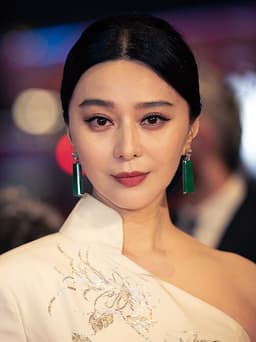
Cao Hong
General · Ancient
42.9Total

Zhao She
General · Ancient
43.4Total
Basic Information
Born
169
-290
Died
232
-260
Era
Ancient
Ancient
Nationality
China
China
Occupation
General
General
Civilization
Eastern
Eastern
Score Comparison
Military (10%)
47.5
38.3
Political (20%)
35.0
35.0
Influence (20%)
47.1
47.1
Legacy (20%)
39.2
41.7
Leadership (15%)
35.4
40.9
Strategy (15%)
60.0
60.0
TOTAL
42.9
43.4
Cao Hong — Complete Timeline
197 AD
Rescued Cao Cao at the Battle of WanchengWar◆ Major
During Cao Cao's campaign against Zhang Xiu, Cao Cao was ambushed at Wancheng. Cao Hong provided his own horse to Cao Cao, allowing him to escape, and then fought a rearguard action to cover the retreat.
Three KingdomsBattleCao Cao
200 AD
Battle of GuanduWar◆ Major
Cao Hong fought under Cao Cao at Guandu against Yuan Shao. He led cavalry units and participated in the burning of Yuan Shao's supply wagons at Wuchao, contributing to the decisive Wei victory.
Three KingdomsBattleYuan Shao
Impact: regional
218 AD
Battle of HanzhongWar
Cao Hong led Wei forces against Liu Bei's invasion of Hanzhong. He initially defeated Wu Lan and other Shu generals but was later outmaneuvered by Liu Bei's tactics, contributing to the eventual loss of Hanzhong to Shu.
Three KingdomsBattleLiu Bei
Impact: regional
227 AD
Imprisoned for CorruptionPolitical Action
During the reign of Cao Rui, Cao Hong was accused of corruption and abuse of power. He was imprisoned, and his property was confiscated. He was later released but never regained his former influence.
Three KingdomsCorruptionCao Rui
Impact: nationaldestructive
Zhao She — Complete Timeline
270 BC
Defeated Qin Forces at YanyuWar◆ Major
Zhao She led Zhao forces to victory against Qin at the Battle of Yanyu. This victory temporarily halted Qin's eastward expansion and demonstrated Zhao's military capability under his command.
BattleZhaoQin
Impact: regionalconstructive
260 BC
Advised Against Zhao Kuo at ChangpingPolitical Action◆ Major
Zhao She, a general of Zhao, advised King Xiaocheng of Zhao not to replace the veteran general Lian Po with the inexperienced Zhao Kuo at the Battle of Changping. His advice was ignored, leading to a catastrophic defeat for Zhao.
Warring StatesBattle of ChangpingAdvice
Impact: regionaltragic
Expert Analysis
Origins
Cao Hong was born in 169 AD in Qiao County, Pei Commandery (modern Bozhou, Anhui), into the powerful Cao clan. His cousin Cao Cao, the future founder of Wei, was a close relative. Cao Hong grew up in a wealthy family and early on joined Cao Cao's military campaigns, demonstrating loyalty and bravery. His formative experience was rescuing Cao Cao at Wancheng, which cemented his position as a trusted general.
Zhao She was born in the State of Zhao during the Warring States period, likely in the 3rd century BC. Details of his early life are sparse, but he rose through the ranks as a capable general under King Xiaocheng of Zhao. His background was likely military aristocracy, and he gained recognition for his strategic acumen, particularly his victory at Yanyu against Qin forces.
Rise to Power
Cao Hong rose to prominence through his kinship with Cao Cao and his service in key battles. At the Battle of Guandu (200 AD), he led cavalry units and participated in the burning of Yuan Shao's supply wagons at Wuchao, a turning point that gave Cao Cao victory. His most famous act came at the Battle of Wancheng (197 AD) when he provided his horse to Cao Cao, enabling his escape from Zhang Xiu's ambush. This act of loyalty elevated his status, and he was appointed General of the Vanguard.
Zhao She's rise came from his military successes. His victory at the Battle of Yanyu (unknown exact date) against Qin forces temporarily halted Qin's eastward expansion and demonstrated his strategic skills. This victory earned him the trust of King Xiaocheng, and he became one of Zhao's leading generals. However, his greatest influence came from his advice against appointing Zhao Kuo at the Battle of Changping (260 BC), though his counsel was ignored.
Leadership & Governance
Cao Hong's leadership style was aggressive and loyal, but marred by corruption. He led troops effectively in battle, as seen in Hanzhong (219 AD) where he initially defeated Wu Lan. However, he was outmaneuvered by Liu Bei and later imprisoned for corruption under Cao Rui. His governance score of 35.0 reflects his inability to maintain integrity in peacetime.
Zhao She's leadership was more strategic and advisory. He understood the importance of experienced commanders, as shown in his opposition to replacing Lian Po with Zhao Kuo. His military score of 38.3 is slightly lower than Cao Hong's 47.5, but his political score of 35.0 matches Cao Hong's. Zhao She's leadership style relied on careful planning and respect for proven tactics.
Triumph & Tragedy
Cao Hong's greatest triumph was saving Cao Cao at Wancheng, a deed that defined his career. His participation at Guandu also contributed to a major victory. His tragedy came later: his corruption led to imprisonment and confiscation of property, tarnishing his legacy. At Hanzhong, his initial success was reversed by Liu Bei's superior strategy.
Zhao She's triumph was his victory at Yanyu, which showcased his military skill. His tragedy was being overruled at Changping; his advice, if followed, might have prevented the catastrophic defeat that led to Zhao's decline. His legacy is tied to this prescient warning.
Character & Destiny
Cao Hong was brave and loyal but lacked moral restraint. His character led him to corruption, which destroyed his later years. He scored 35.4 in leadership, reflecting his flawed governance. Zhao She was prudent and wise, but his counsel was ignored, a common fate for advisors in ancient China. He scored 40.9 in leadership, slightly higher, indicating better decision-making.
Legacy
Cao Hong's legacy is mixed: remembered for saving Cao Cao but also for corruption. He scores 39.2 in legacy. Zhao She is remembered primarily for his advice against Zhao Kuo, a cautionary tale. His legacy score of 41.7 is higher, as his warning became legendary. Both generals had limited long-term impact compared to major figures.
Conclusion
While Cao Hong had a higher military score (47.5 vs 38.3), Zhao She's overall impact, as measured by total score (43.4 vs 42.9) and legacy, is slightly greater. Zhao She's advice at Changping resonates through history, while Cao Hong's corruption diminishes his achievements. Zhao She had greater impact due to his strategic foresight, despite his lower military rating.
Rankings
🥇
Zhao SheLeader
Mil: 38.3Pol: 35.0Inf: 47.1
43.4
🥈
Cao Hong
Mil: 47.5Pol: 35.0Inf: 47.1
42.9
+0.5 behind
How This Comparison Works
Algorithm
Each figure is scored on 6 dimensions (0—100 scale) based on structured historical data: Military (10%), Political (20%), Influence (20%), Legacy (20%), Leadership (15%), Strategy (15%). The weighted total produces the final ranking.
Data Sources
Scores are computed from structured sub-indicators in the database. Scale factors adjust for era (Ancient ×0.85, Modern ×1.0) and civilization size (Eastern ×1.05, Other ×0.80) to account for differences in population and military scale.
Maximum 3 Figures
Comparisons are limited to 2—3 figures to ensure readability and statistical meaningfulness.
Error Margins
±5 points per dimension — Sub-scores are derived from historical records with inherent uncertainty. Two figures within 5 points on a dimension should be considered roughly equivalent in that area.
Total Score Accuracy
±3 points overall — The weighted combination of 6 dimensions produces a total score with approximately ±3 points of uncertainty. Differences of less than 3 points are not statistically significant— the figures are effectively tied.
Known Limitations
- Historical records are incomplete and uneven across civilizations
- Figures from oral-tradition societies may be underrepresented
- Occupation labels can misclassify multi-role figures
- Scores measure capability and impact, not moral character
- Quantitative scoring is a comparison tool, not absolute truth
Capability Radar
Military (10%) — Battles & Warfare
Battles
45
20
Win Rate
40
20
Expansion
30
10
Political (20%) — Governance & Reform
Reform
10
10
Diplomacy
25
30
Economy
15
10
Influence (20%) — Cultural & Global Reach
Cultural
20
20
Global
10
10
Legacy (20%) — Historical Impact
Historical
25
40
Longevity
20
20
Leadership (15%) — Power & Stability
Tenure
35
30
Stability
20
20
Strategy (15%) — Tactics & Innovation
Strategy
45
50
Tactics
50
40
Reform
10
10
Similar Comparisons
Comments & Discussion
No comments yet. Be the first to share your thoughts!