Loading...
Attalus I vs Umar ibn Abd al-Aziz
Attalus I leads by 2.9 pts · 2 figures compared
…

Attalus I
Emperor · Ancient
57.4Total
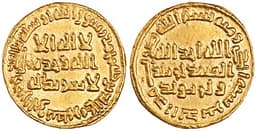
Umar ibn Abd al-Aziz
Emperor · Ancient
54.5Total
Basic Information
Born
-269
-682
Died
-197
—
Era
Ancient
Ancient
Nationality
Pergamon
Umayyad Caliphate
Occupation
Emperor
Emperor
Civilization
Western
Middle Eastern
Score Comparison
Military (10%)
55.0
22.6
Political (20%)
68.0
78.0
Influence (20%)
53.3
59.0
Legacy (20%)
45.0
54.0
Leadership (15%)
74.0
62.0
Strategy (15%)
60.0
30.3
TOTAL
57.4
54.5
Attalus I — Complete Timeline
269 BC
Battle of the Caecus RiverWar
Attalus I defeated the Galatians near the Caecus River. This victory ended the Galatian threat to Pergamon and allowed Attalus to assume the title of king, establishing the Attalid dynasty as a major power in Asia Minor.
Galatian WarPergamonAttalid Dynasty
Impact: regionalconstructive
211 BC
First Macedonian War Alliance with RomePolitical Action◆ Major
Attalus I allied with the Roman Republic against Philip V of Macedon during the First Macedonian War. This alliance brought Pergamon into the Roman sphere of influence and secured Roman support against the Seleucid Empire.
Macedonian WarsRoman AllianceDiplomacy
Impact: regionalconstructive
201 BC
Battle of ChiosWar◆ Major
Attalus I commanded the Pergamene fleet alongside the Rhodians against Philip V of Macedon at the Battle of Chios. The allied fleet won a costly victory, but Attalus nearly died when his ship was rammed and sank.
Cretan WarNaval BattlePhilip V
Impact: regional
Umar ibn Abd al-Aziz — Complete Timeline
717 AD
Accession as CaliphPolitical Action◆ Major
Umar ibn Abd al-Aziz became the eighth Umayyad caliph after the death of Sulayman ibn Abd al-Malik. His reign, though short, was marked by significant reforms and a departure from the policies of his predecessors.
CaliphateUmayyadSuccession
Impact: regional
718 AD
Withdrawal from the Siege of ConstantinopleWar◆ Major
Umar ibn Abd al-Aziz ordered the withdrawal of Umayyad forces from the prolonged and unsuccessful siege of Constantinople. This decision ended a costly military campaign and shifted focus to internal consolidation and reform.
SiegeByzantine EmpireWithdrawal
Impact: regional
Tax Reforms and JusticeReform◆ Major
Umar ibn Abd al-Aziz implemented sweeping tax reforms, abolishing the jizya (poll tax) for non-Muslims who converted to Islam and ensuring equal treatment of all subjects. He also ordered the return of confiscated lands and property to their rightful owners.
Tax ReformJusticeIslamic Governance
Impact: regionalprogressive
Expert Analysis
Origins
Attalus I (269–197 BCE) was born into the Attalid dynasty, ruling Pergamon, a small Hellenistic kingdom in western Anatolia. His father, Attalus (uncle of Eumenes I), was not a king; Attalus I claimed the throne after Eumenes I's death in 241 BCE. He was educated in Greek culture and military tactics, typical of Hellenistic rulers. His early life was marked by the need to assert Pergamon's independence against the Seleucid Empire and the Galatians, Celtic tribes that had invaded Asia Minor.
Umar ibn Abd al-Aziz (682–720 CE) was born into the Umayyad dynasty, the ruling family of the Islamic Caliphate. His father, Abd al-Aziz, was the governor of Egypt, and his mother, Layla bint Asim, was the granddaughter of the second caliph, Umar ibn al-Khattab. Umar II grew up in Medina, where he studied Islamic jurisprudence and was influenced by pious scholars. Unlike many Umayyad princes, he was known for his asceticism and religious devotion.
Rise to Power
Attalus I rose to power by defeating the Galatians at the Battle of the Caecus River in 238 BCE. This victory, which ended the Galatian threat to Pergamon, allowed him to assume the title of king (basileus) and gain recognition from the Greek cities of Asia Minor. He then expanded Pergamon's territory by allying with the Roman Republic against Philip V of Macedon during the First Macedonian War (214–205 BCE). His alliance with Rome, formalized in 211 BCE, brought Pergamon into the Roman sphere of influence and secured his position as a major Hellenistic power.
Umar ibn Abd al-Aziz became caliph in 717 CE after the death of his cousin, Caliph Sulayman ibn Abd al-Malik. Sulayman had designated him as his successor, bypassing his own sons, due to Umar's reputation for piety and justice. Umar's accession was a surprise, as he was not a prominent political figure. He immediately set about implementing reforms, distinguishing himself from his predecessors.
Leadership & Governance
Attalus I governed Pergamon as a Hellenistic monarch, combining military strength with cultural patronage. He transformed Pergamon into a center of art and learning, founding the Library of Pergamon, which rivaled Alexandria. He also introduced a system of taxation and administration that stabilized the kingdom. His leadership style was pragmatic: he used military force to secure borders and diplomacy to forge alliances. For example, he supported the Romans against Macedon, which earned him favors but also made Pergamon dependent on Rome.
Umar ibn Abd al-Aziz governed the Islamic Caliphate with a focus on justice and religious orthodoxy. He abolished the jizya (poll tax) for non-Muslims who converted to Islam, ensuring equal treatment of all Muslims. He also reformed the tax system to reduce the burden on non-Arab Muslims (mawali) and non-Muslims. He withdrew from the costly siege of Constantinople in 718 CE, ending a military campaign that had drained the treasury. His governance was marked by a commitment to the principles of the early caliphate, earning him the title of the "Fifth Rightly Guided Caliph."
Triumph & Tragedy
Attalus I's greatest triumph was his victory over the Galatians, which secured Pergamon's independence and established his dynasty. He also successfully expanded Pergamon's territory through alliances with Rome. However, his greatest failure was the Battle of Chios in 201 BCE, where he commanded the Pergamene fleet alongside the Rhodians against Philip V. Although the allied fleet won a costly victory, Attalus's son and heir, Attalus II, was captured (later ransomed). The battle weakened Pergamon's navy and strained its resources. Moreover, his alliance with Rome eventually led to Pergamon's absorption into the Roman Empire in 133 BCE.
Umar ibn Abd al-Aziz's greatest triumph was his tax and administrative reforms, which improved the welfare of non-Arab Muslims and non-Muslims, and restored faith in the caliphate. His withdrawal from Constantinople saved lives and resources. However, his reign was short (2 years, 5 months), limiting the scope of his reforms. His greatest failure was the backlash from the Umayyad elite, who opposed his policies. After his death, many of his reforms were reversed by his successors, and the Umayyad dynasty continued its decline.
Character & Destiny
Attalus I was a pragmatic and ambitious ruler, skilled in both warfare and diplomacy. His character was shaped by the need to preserve Pergamon's independence in a hostile environment. He took calculated risks, such as allying with Rome, which ultimately led to Pergamon's prosperity but also its loss of sovereignty. His destiny was to be the founder of a short-lived but culturally significant dynasty.
Umar ibn Abd al-Aziz was deeply religious and ascetic, often called the "Umar of the Umayyads" for his resemblance to the second caliph. His character led him to prioritize justice over political expediency, which alienated the Umayyad ruling class. His destiny was to be a reformer whose legacy outlived his brief reign, remembered as a just ruler in Islamic history.
Legacy
Attalus I's legacy is tied to the cultural achievements of Pergamon, particularly its library and the development of the Attalid dynasty. He scored 45.0 in legacy, reflecting the limited long-term impact of his kingdom. Pergamon eventually became part of the Roman province of Asia, and his dynasty ended in 133 BCE. However, his alliance with Rome set a precedent for Roman involvement in the East.
Umar ibn Abd al-Aziz's legacy is more enduring. He scored 54.0 in legacy, higher than Attalus, because his reforms influenced later Islamic governance. He is revered as a righteous caliph, and his policies on taxation and treatment of non-Muslims were cited by later reformers. His withdrawal from Constantinople also marked a turning point in Islamic military strategy.
Conclusion
While Attalus I scored higher overall (57.4 vs. 54.5), Umar ibn Abd al-Aziz had a greater impact on the course of history. Attalus's achievements were significant but localized to a small kingdom that was soon absorbed by Rome. In contrast, Umar's reforms addressed systemic issues in the Islamic Caliphate and left a lasting ethical legacy. His political score (78.0) and leadership score (62.0) reflect his ability to enact change despite a short reign. Therefore, Umar ibn Abd al-Aziz had a greater historical impact due to the enduring influence of his reforms on Islamic governance and society.
Rankings
🥇
Attalus ILeader
Mil: 55.0Pol: 68.0Inf: 53.3
57.4
🥈
Umar ibn Abd al-Aziz
Mil: 22.6Pol: 78.0Inf: 59.0
54.5
+2.9 behind
How This Comparison Works
Algorithm
Each figure is scored on 6 dimensions (0—100 scale) based on structured historical data: Military (10%), Political (20%), Influence (20%), Legacy (20%), Leadership (15%), Strategy (15%). The weighted total produces the final ranking.
Data Sources
Scores are computed from structured sub-indicators in the database. Scale factors adjust for era (Ancient ×0.85, Modern ×1.0) and civilization size (Eastern ×1.05, Other ×0.80) to account for differences in population and military scale.
Maximum 3 Figures
Comparisons are limited to 2—3 figures to ensure readability and statistical meaningfulness.
Error Margins
±5 points per dimension — Sub-scores are derived from historical records with inherent uncertainty. Two figures within 5 points on a dimension should be considered roughly equivalent in that area.
Total Score Accuracy
±3 points overall — The weighted combination of 6 dimensions produces a total score with approximately ±3 points of uncertainty. Differences of less than 3 points are not statistically significant— the figures are effectively tied.
Known Limitations
- Historical records are incomplete and uneven across civilizations
- Figures from oral-tradition societies may be underrepresented
- Occupation labels can misclassify multi-role figures
- Scores measure capability and impact, not moral character
- Quantitative scoring is a comparison tool, not absolute truth
Capability Radar
Military (10%) — Battles & Warfare
Battles
45
10
Win Rate
50
10
Expansion
40
5
Political (20%) — Governance & Reform
Reform
35
85
Diplomacy
60
70
Economy
55
75
Influence (20%) — Cultural & Global Reach
Cultural
45
60
Global
35
55
Legacy (20%) — Historical Impact
Historical
50
70
Longevity
40
65
Leadership (15%) — Power & Stability
Tenure
60
30
Stability
50
80
Strategy (15%) — Tactics & Innovation
Strategy
50
10
Tactics
55
10
Reform
30
20
Similar Comparisons
Comments & Discussion
No comments yet. Be the first to share your thoughts!