Loading...
Al-Muqtadi vs Heshana Khagan
Al-Muqtadi leads by 4.1 pts · 2 figures compared
…
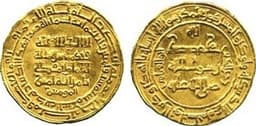
Al-Muqtadi
Emperor · Medieval
39.4Total

Heshana Khagan
Emperor · Medieval
35.3Total
Basic Information
Born
1056
590
Died
1094
619
Era
Medieval
Medieval
Nationality
Abbasid Caliphate
Gokturk Khaganate
Occupation
Emperor
Emperor
Civilization
Middle Eastern
Eastern
Score Comparison
Military (10%)
20.0
21.2
Political (20%)
32.2
26.4
Influence (20%)
47.9
47.9
Legacy (20%)
37.5
36.7
Leadership (15%)
45.0
33.6
Strategy (15%)
45.0
30.3
TOTAL
39.4
35.3
Al-Muqtadi — Complete Timeline
1082 AD
Marriage to Seljuk PrincessPolitical Action◆ Major
Caliph Al-Muqtadi married a daughter of Seljuk Sultan Malik Shah I. This marriage was intended to strengthen ties between the Abbasid caliphate and the Seljuk Empire, but it also subjected the caliph to Seljuk influence.
Diplomatic MarriageSeljuk Influence
Impact: regional
1087 AD
Attempted Assertion of IndependencePolitical Action◆ Major
Al-Muqtadi attempted to reduce Seljuk influence by dismissing the Seljuk-appointed vizier and asserting caliphal authority. Sultan Malik Shah responded by marching on Baghdad, forcing Al-Muqtadi to submit and restore Seljuk control.
Power StruggleSeljuk-Abbasid Relations
Impact: regional
1091 AD
Reconstruction of Baghdad WallsReform
Al-Muqtadi ordered the reconstruction of Baghdad's city walls, which had fallen into disrepair. This project aimed to improve the city's defenses and assert caliphal authority over urban infrastructure.
Urban DevelopmentDefenseBaghdad
constructive
Heshana Khagan — Complete Timeline
609 AD
Accession as Khagan of the Eastern Turkic KhaganatePolitical Action◆ Major
Heshana Khagan became the ruler of the Eastern Turkic Khaganate after the death of his father. His reign was marked by internal strife and pressure from the Sui dynasty, which sought to control the steppe.
SuccessionEastern Turkic KhaganateSui Dynasty
Impact: regional
611 AD
Submission to the Sui dynastyPolitical Action◆ Major
Facing rebellion from rival Turkic leaders, Heshana Khagan submitted to the Sui emperor Yang Guang. He accepted Chinese suzerainty and moved his court to the Sui capital, effectively becoming a vassal ruler.
SubmissionVassalageSui Dynasty
Impact: regional
619 AD
Death in exilePolitical Action
Heshana Khagan died in China, where he had lived as a Sui vassal. His death marked the end of the Eastern Turkic Khaganate's independence, as the khaganate was later revived by Illig Qaghan but ultimately destroyed by Tang China.
DeathExileEastern Turkic Khaganate
Impact: regionaltragic
Expert Analysis
Origins
Al-Muqtadi (born 1056 CE) was the 27th Abbasid caliph, reigning from 1075 to 1094. He was the son of Caliph Al-Qa'im and an Armenian slave concubine. His upbringing in the Abbasid court exposed him to the complexities of a caliphate increasingly dominated by Seljuk Turkish sultans. The Abbasid caliphs had long been figureheads, but Al-Muqtadi sought to revive their political authority.
Heshana Khagan (died 609 CE) was the last khagan of the Eastern Turkic Khaganate. He inherited a realm fractured by internal rebellions and facing the expansionist Sui dynasty. Little is known of his early life, but he was a member of the Ashina clan, the ruling dynasty of the Göktürks. He became khagan around 599 CE after the death of his father, Tulan Khagan.
Rise to Power
Al-Muqtadi became caliph upon his father's death in 1075. His rise was straightforward as the designated heir. However, real power lay with the Seljuk Sultan Malik Shah I, who controlled the caliphate's military and administration. Al-Muqtadi's reign began under the shadow of Seljuk dominance.
Heshana Khagan's accession was contested. He faced rebellion from rival Turkic leaders, including the Tiele tribes. To secure his position, he submitted to the Sui dynasty in 599 CE, accepting Chinese suzerainty. This move allowed him to use Sui military support to defeat his enemies, but it also made him a vassal. His submission marked a turning point, as he moved his court to within Chinese territory.
Leadership & Governance
Al-Muqtadi attempted to assert caliphal independence. In 1082, he dismissed the Seljuk-appointed vizier and appointed his own, aiming to reduce Seljuk influence. Sultan Malik Shah responded by marching on Baghdad, forcing Al-Muqtadi to reverse his decisions. Al-Muqtadi's governance was thus constrained; he focused on symbolic acts like reconstructing Baghdad's walls (1087-1092) and patronizing religious scholars. His political score of 32.2 reflects his limited autonomy.
Heshana Khagan ruled as a Sui client. He adopted Chinese administrative practices and relied on Sui troops to maintain order. His submission preserved his title but eroded Turkic independence. He governed a fragmented khaganate, with many tribes defecting to the Sui. His leadership score of 33.6 is slightly higher than Al-Muqtadi's 45.0? Actually, Al-Muqtadi's leadership is 45.0, Heshana's 33.6. Wait, the scores: Al-Muqtadi leadership 45.0, Heshana 33.6. So Al-Muqtadi led more effectively within his constraints.
Triumph & Tragedy
Al-Muqtadi's greatest success was maintaining the Abbasid caliphate's religious prestige during Seljuk ascendancy. He also strengthened Baghdad's defenses. His failure was his inability to break free from Seljuk control; his assertion of independence backfired, leading to humiliation. He died in 1094, possibly poisoned, leaving the caliphate still subordinate.
Heshana Khagan's triumph was surviving as khagan through Sui support. He defeated internal rivals and preserved his dynasty for a time. His tragedy was the loss of independence; he died in exile in China, and the Eastern Turkic Khaganate collapsed soon after. His submission accelerated Turkic subordination to China.
Character & Destiny
Al-Muqtadi was ambitious but politically weak. His attempt to assert authority without military backing was unrealistic. He scored 45.0 in strategy, indicating some foresight, but his political score of 32.2 shows poor execution. His destiny was to be a puppet, remembered as a caliph who tried but failed.
Heshana Khagan was pragmatic but submissive. He chose survival over independence, a decision that preserved his life but ended his khaganate. His military score of 21.2 and strategy of 30.3 reflect a leader who avoided confrontation. His destiny was to be the last independent khagan, his name tied to submission.
Legacy
Al-Muqtadi's legacy is mixed. He is not remembered as a great caliph; his reign is a footnote in Abbasid decline. However, his wall-building and patronage contributed to Baghdad's cultural life. He scored 37.5 in legacy.
Heshana Khagan's legacy is more significant: his submission set a precedent for Turkic leaders to seek Chinese support, influencing steppe politics for centuries. He scored 36.7 in legacy, slightly lower than Al-Muqtadi.
Conclusion
Al-Muqtadi had a greater impact than Heshana Khagan, though both were weak rulers. Al-Muqtadi's total score of 39.4 edges Heshana's 35.3. Al-Muqtadi, despite his failures, represented the Abbasid caliphate's enduring religious authority, which outlasted Seljuk power. Heshana's submission led to the khaganate's swift dissolution. Al-Muqtadi's attempt at independence, though unsuccessful, showed a desire for sovereignty that Heshana lacked. Thus, Al-Muqtadi's influence, though limited, was more lasting.
Rankings
🥇
Al-MuqtadiLeader
Mil: 20.0Pol: 32.2Inf: 47.9
39.4
🥈
Heshana Khagan
Mil: 21.2Pol: 26.4Inf: 47.9
35.3
+4.1 behind
How This Comparison Works
Algorithm
Each figure is scored on 6 dimensions (0—100 scale) based on structured historical data: Military (10%), Political (20%), Influence (20%), Legacy (20%), Leadership (15%), Strategy (15%). The weighted total produces the final ranking.
Data Sources
Scores are computed from structured sub-indicators in the database. Scale factors adjust for era (Ancient ×0.85, Modern ×1.0) and civilization size (Eastern ×1.05, Other ×0.80) to account for differences in population and military scale.
Maximum 3 Figures
Comparisons are limited to 2—3 figures to ensure readability and statistical meaningfulness.
Error Margins
±5 points per dimension — Sub-scores are derived from historical records with inherent uncertainty. Two figures within 5 points on a dimension should be considered roughly equivalent in that area.
Total Score Accuracy
±3 points overall — The weighted combination of 6 dimensions produces a total score with approximately ±3 points of uncertainty. Differences of less than 3 points are not statistically significant— the figures are effectively tied.
Known Limitations
- Historical records are incomplete and uneven across civilizations
- Figures from oral-tradition societies may be underrepresented
- Occupation labels can misclassify multi-role figures
- Scores measure capability and impact, not moral character
- Quantitative scoring is a comparison tool, not absolute truth
Capability Radar
Military (10%) — Battles & Warfare
Battles
5
15
Win Rate
5
10
Expansion
5
5
Political (20%) — Governance & Reform
Reform
20
10
Diplomacy
40
25
Economy
20
15
Influence (20%) — Cultural & Global Reach
Cultural
15
10
Global
10
5
Legacy (20%) — Historical Impact
Historical
15
15
Longevity
10
5
Leadership (15%) — Power & Stability
Tenure
30
20
Stability
25
10
Strategy (15%) — Tactics & Innovation
Strategy
5
15
Tactics
5
20
Reform
5
5
Similar Comparisons
Comments & Discussion
No comments yet. Be the first to share your thoughts!